
Wellness used to be different; it was a place and a personal space where people went to rest, reset and...
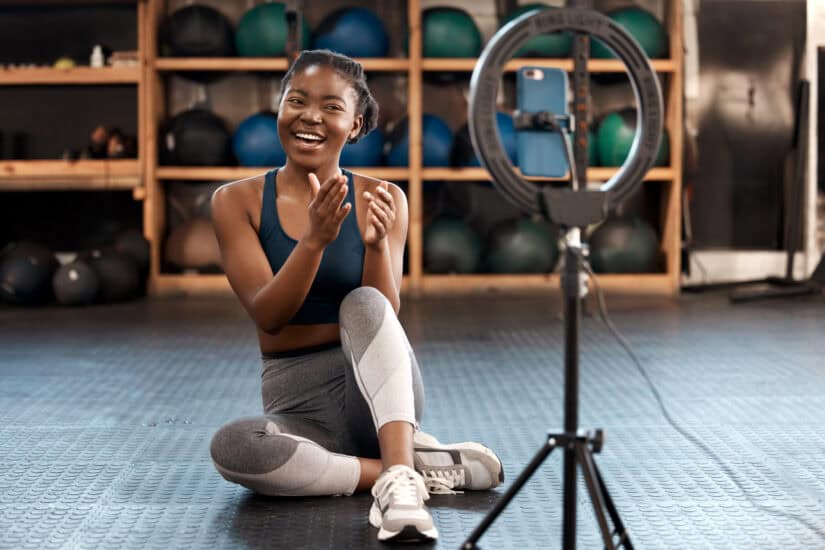
Wellness influencers can add more performative pressure. Picture iStock


Wellness used to be different; it was a place and a personal space where people went to rest, reset and indulge in their own quiet time with a matcha or a hot chocolate, some yoga, a run, or even just a walk in the park. It used to be me-time, but these days, gentle retreat has become a little more brutal.
Ingrid Pollak from Inner Essence Holistic Therapies said she has seen how self-care and wellness slowly turned a corner and became something else that’s not as healing as it should be.
There are some red flags people must be on the lookout for, she noted.
When feeling human is treated as being broken
Ordinary experiences like fatigue or stress are increasingly framed as problems that need fixing. Pollak said emotional safety is “the internal thermostat of relationships,” allowing people to exist as they are without fear.
When that disappears, “the relationship shifts from connection to survival,” she said.
The pattern often begins with the suggestion that something is wrong, followed by a solution that promises relief.
When the home becomes another place to perform
The idea of optimisation has slithered beyond work and into domestic life.
Pollak said homes are meant to be recovery zones, yet many now resemble spaces where everyone is expected to perform. “Perfect healthy meals, rigid routines make the home a high-pressure environment,” she said.
Children absorb these expectations, sometimes developing anxiety or a strained relationship with food.
When rest turns into another task on the list
Wellness in the workplace has taken on a different tone.
Pollak noted a performance paradox where relaxation becomes something to achieve.
“This is not self-care; it translates into work to be done,” she said. People are left feeling guilty, exhausted and never fully off the clock, resting only to function better the next day.”
When perfection online makes real life feel inadequate
Exposure to ideal routines can intensify burnout rather than relieve it.
Pollak said it is “like petrol to fire,” adding that it creates overwhelm instead of relief.
People begin to believe their exhaustion is a personal failure. Trying to keep up while already depleted drains what little energy remains.

When identity becomes tied to constant improvement
Over time, the gap between who someone is and who they believe they should be becomes difficult to ignore.
Pollak said this creates “a fragmented sense of self,” in which people begin valuing themselves for what they achieve rather than for who they are.
External validation takes over, while hobbies lose their sense of enjoyment and become obligations.
When guidance turns into dependence
The growth in the presence of influencers and self-proclaimed healers has introduced another layer of complexity.
Pollak said that when seeing a therapist, people must not become reliant on them, because their role is to guide, not instruct.
“It’s about empowering people to trust their own intuition,” she said.
Research has shown that some online figures position themselves as the only source of truth, fostering dependence rather than independence. It can feel cult-like.
When well-being stops fitting into real life
Many wellness ideals have become totally unrealistic.
Pollak noted that strict routines and expectations can lead to “burnout, chronic anxiety and perfectionism,” with little room for spontaneity.
Research has shown the same thing, indicating that many routines only work under controlled conditions.
If a lifestyle demands constant effort and control, it is unlikely to be sustainable.
“The promise of wellness has always been simple. Feel better, live better, be better. The reality, at least in its current online form, is far more complicated,” she said.