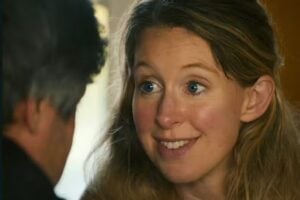
What makes 'Law & Order' so addictive? Kathleen Munroe reveals the secret behind the franchise's enduring success.
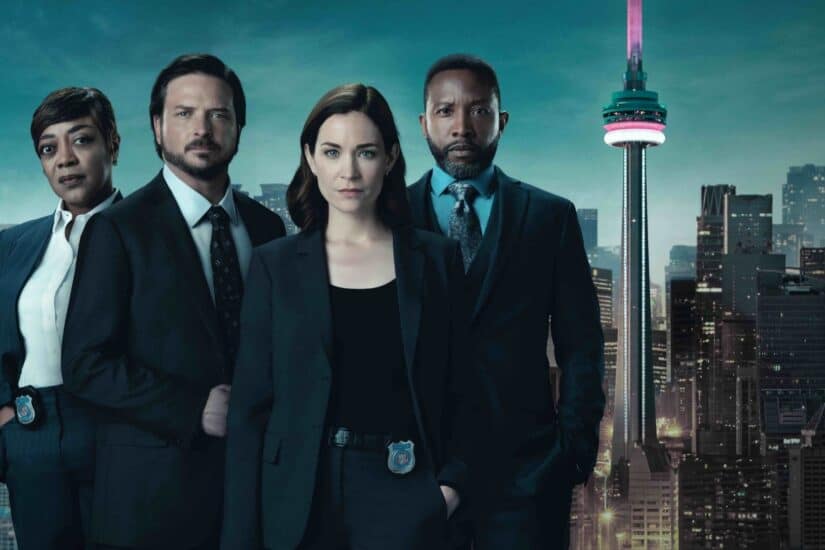
‘Law & Order Toronto’ is on DSTV Universal now. Picture: Supplied


It’s a riveting show no matter which incarnation you are watching.
From the original Law & Order that launched three decades ago through to now’s Law & Order Toronto: Criminal Intent, nobody can stop watching.
And there’s good reason for it, because the ‘why’ is always unravelled. It’s methodical investigation at its best and, when done well, franchises like this and others, such as Bosch, become irresistible watching, and remain so.
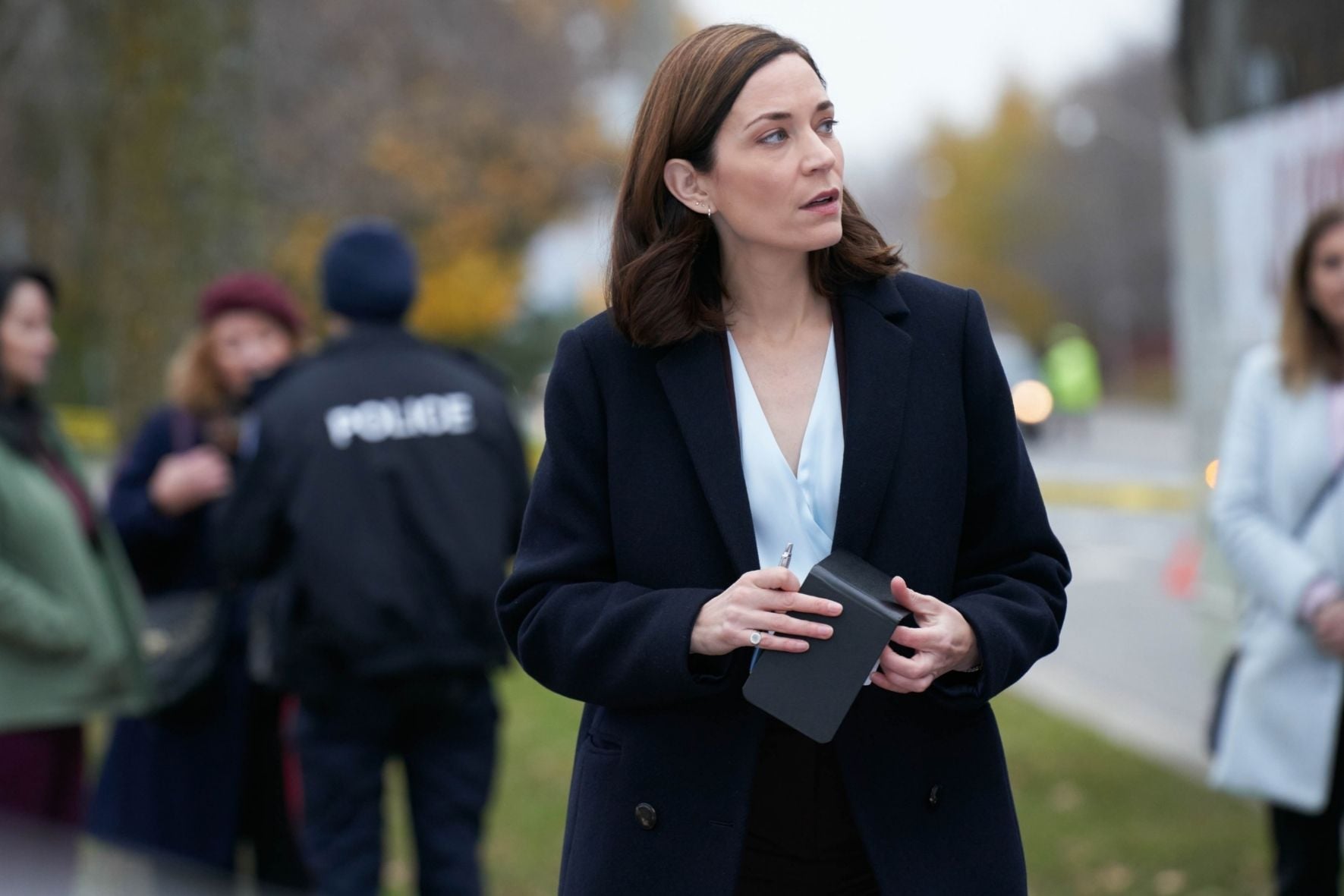
Law & Order Toronto: Criminal Intent launched on Universal last month on DSTV channel 117 and is broadcast every Tuesday night at 8pm. The show stars Australian actor Aden Young (Rectify, Reckoning), who plays Detective Sergeant Henry Graff, and Frankie Bateman, portrayed by Kathleen Munroe, as they unravel headline-inspired murders and deep-dive into the minds of the perpetrators and the evidence they leave behind.
Munroe’s entry into the Law & Order universe saw her appear as a guest star in both Special Victims Unit (SVU) and Organised Crime before landing the Toronto lead role.
What did those precursor experiences teach you?
I can’t overstate the value of having seen this franchise from a different angle. Those were very different experiences.
On SVU, my character was both a victim and, in some ways, a perpetrator. She had been assaulted by a teacher when she was young and later committed a violent act against him.
Coming in as a guest star for a single episode, being in the courtroom and on those familiar sets, was fascinating. But what I took away most was Mariska Hargitay’s leadership.
I think I was on around season 19, and she was engaged in everything. She was empathetic to every person on set, and she brought me in with curiosity and collaboration. To maintain that level of care and attention after so many years is incredibly special.
It set a tone: when dealing with sensitive material, especially violence, you approach it with respect for the people involved, both in the stories and on set. We often say we build a little “house” where every week a new family moves in, since the guest cast changes.
The goal is to make that house warm and respectful.
I’ve played many roles over the years, victims, perpetrators, even dead bodies, and those are hard roles.
Guest actors often carry a lot of emotional weight in a short time. So remembering that everyone on set is human is key. That empathy and humanity are things I think about constantly.
On Organised Crime, I played a DA (District Attorney) for a few episodes, which gave me another perspective. Seeing the same franchise in a different format showed me how much flexibility there is. It made me realise we could expand beyond what I was familiar with and explore new directions.
Why do you think the show continues to resonate with audiences after so many years?
I think it’s a combination of strong structure and compelling mystery. Humans are naturally drawn to unanswered questions that slowly unfold. There’s also consistency in the format. It feels familiar, almost cozy, even though the subject matter is serious.
The cases often reflect contemporary issues, which keeps them relevant. At the same time, the characters become familiar over time, and audiences connect with them. So you have a structure people trust, combined with fresh perspectives and complexity that keep them coming back.
What did you want audiences to understand about Frankie Bateman ?
In Criminal Intent, there’s often a dynamic similar to Holmes and Watson. Graff has a very unconventional, highly intuitive mind, and Bateman acts as the anchor, grounding things in protocol and empathy.
As the series progresses, we see more of her interior world. There are moments when the system doesn’t align with her values, and that creates tension. Her vulnerability and internal questions begin to surface.
I carry a lot of personal backstory for her. Some of it is in the script, some of it lives in my imagination. Small details, like the objects she carries, all have meaning. She’s someone who keeps things close to the chest, but over time, we see more of the human underneath the professional exterior.
How did you and Aden Young build your in-screen partnership?
Aden and I actually worked together years ago on a film, so we already knew each other. When I found out he was part of the casting process, it felt natural because we already had a connection.
There’s a real sense of familiarity and trust between us. Off-screen, we have a very sibling-like dynamic, and that translates into our performances. We didn’t have to force chemistry. It was already there. That trust allows us to anticipate each other’s movements and reactions. Even in blocking scenes, we naturally move in sync, almost like we’re connected by a thread.
The characters complement each other. One leans into abstract thinking, the other stays grounded in facts and empathy. They fill in each other’s gaps, which makes them effective as a team. As the series progresses, we explore more complex layers in their relationship, which has been one of the most rewarding parts of the experience.