
Cast members say Netflix drama is less about traditional polygamy and more about one selfish man destroying 15 lives with dishonesty.

The Polygamist. (L to R) Wonder Ndlovu as Menzi Gomora, Luyanda Zwane as Lindani in The Polygamist. Picture: Supplied, Netflix © 2026


Netflix’s new local drama The Polygamist was billed as the show that will get South Africa talking, and a few weeks after its premiere, it’s all the world can talk about.
Speaking to The Citizen during a junket for the series, stars Luyanda Zwane (Lindani), Wonder Ndlovu (Menzi), Noluthando Shabalala (Mpume) and Lwazie Tsebesha (Sarah) reflected on portraying a family torn apart by one man’s secrets and why they believe the show is less about polygamy itself and more about the devastation caused by dishonesty.
‘Legalised infidelity’
Although The Polygamist draws on a practice deeply rooted in African culture, the cast was quick to draw a line between traditional polygamy and the actions of patriarch Jonasi Gomorrah.
“Honestly speaking, there’s polygamy, and there’s what Jonasi is doing. That one is not [polygamy]. That one is different. I’ve studied a bit about polygamy and all of that and why people used to do it. Jonasi is not doing any of that,” said Ndlovu.
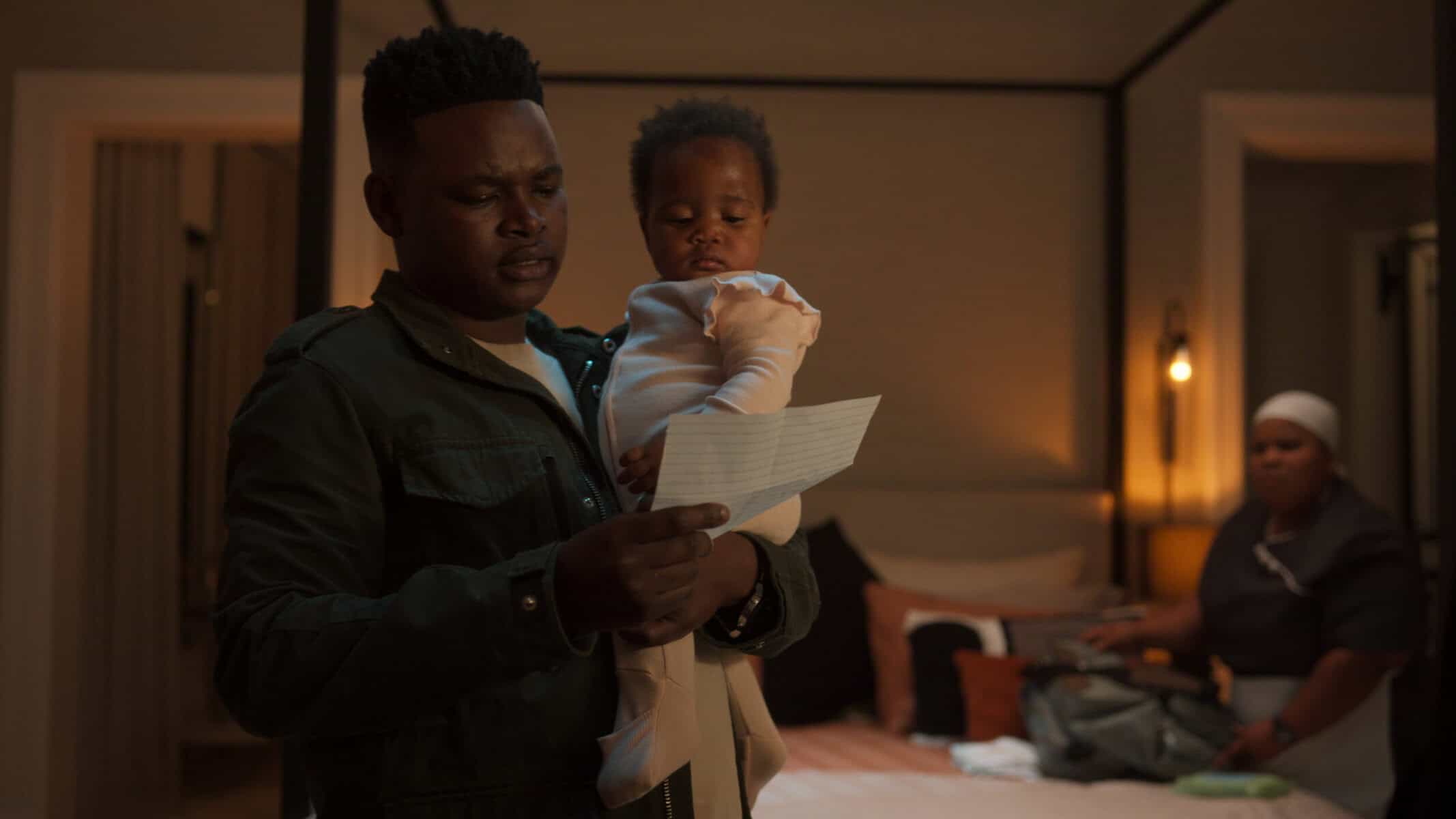
Shabalala put it more bluntly: “It’s legalised infidelity.”
Ndlovu agreed, adding that Jonasi’s actions “[have] nothing to do with growing the name or the family”, while Zwane described the character as simply “selfish”.
“And it was just one bullet, because everything was destroyed,” Zwane said of the fallout. “One man and what? 15 broken hearts. Imagine the domino effect.”
A family destroyed by one moment
For Zwane, the show’s emotional power lies in how quickly an apparently happy household can unravel. She invoked imagery of a glass of red wine spilt on a white dress as the moment everything changed for the Gomorrah family.
“The family was perfect before that one drop of wine on a white dress,” she said, recalling the closeness between her character’s father and Mpume before the secrets came to light. “There was us before everyone else.”
Zwane suggested that Jonasi himself may not have anticipated the cost of his choices.
“I don’t even think he himself had expected [that] this would cost him everything. He died. If he had to look back and maybe just watch that play on screen, he probably would have thought differently about his actions.”
Tsebesha, who plays Sarah, said the upheaval did not affect every member of the extended family equally. “Not everyone was happy. The Joyce and Jonasi [side of the] family… it was for the people. They were happy when it started. But Essie, Sarah, Freedom, they were outsiders,” she explained. “My mom [Essie] sought to be accepted as a wife. And I sought to be accepted as a daughter.”
Playing characters who inherited the consequences
Asked what it means to portray characters who did not choose this life but were left to deal with its fallout, the cast spoke of carrying a responsibility towards real families who face similar circumstances.
Ndlovu said: “It’s about honouring the lives that we are portraying and the stories that we are telling, and having that responsibility. These are people who are actually living right now. There’s a Menzi out there today.”
Storytelling as healing
Beyond the drama, several cast members described the project as personally healing. Tsebesha said playing Sarah helped her process her own past.
“Storytelling is healing. Playing Sarah healed me, from my traumas with my father and everything.”
Shabalala echoed this, recalling how a show she watched growing up helped her come to terms with her own family relationships, despite being “too young” for it at the time. “That mother-daughter relationship, it healed me,” she said. “I think I’d be more broken, to be honest. But because I knew, hey, it exists. It’s out there.”
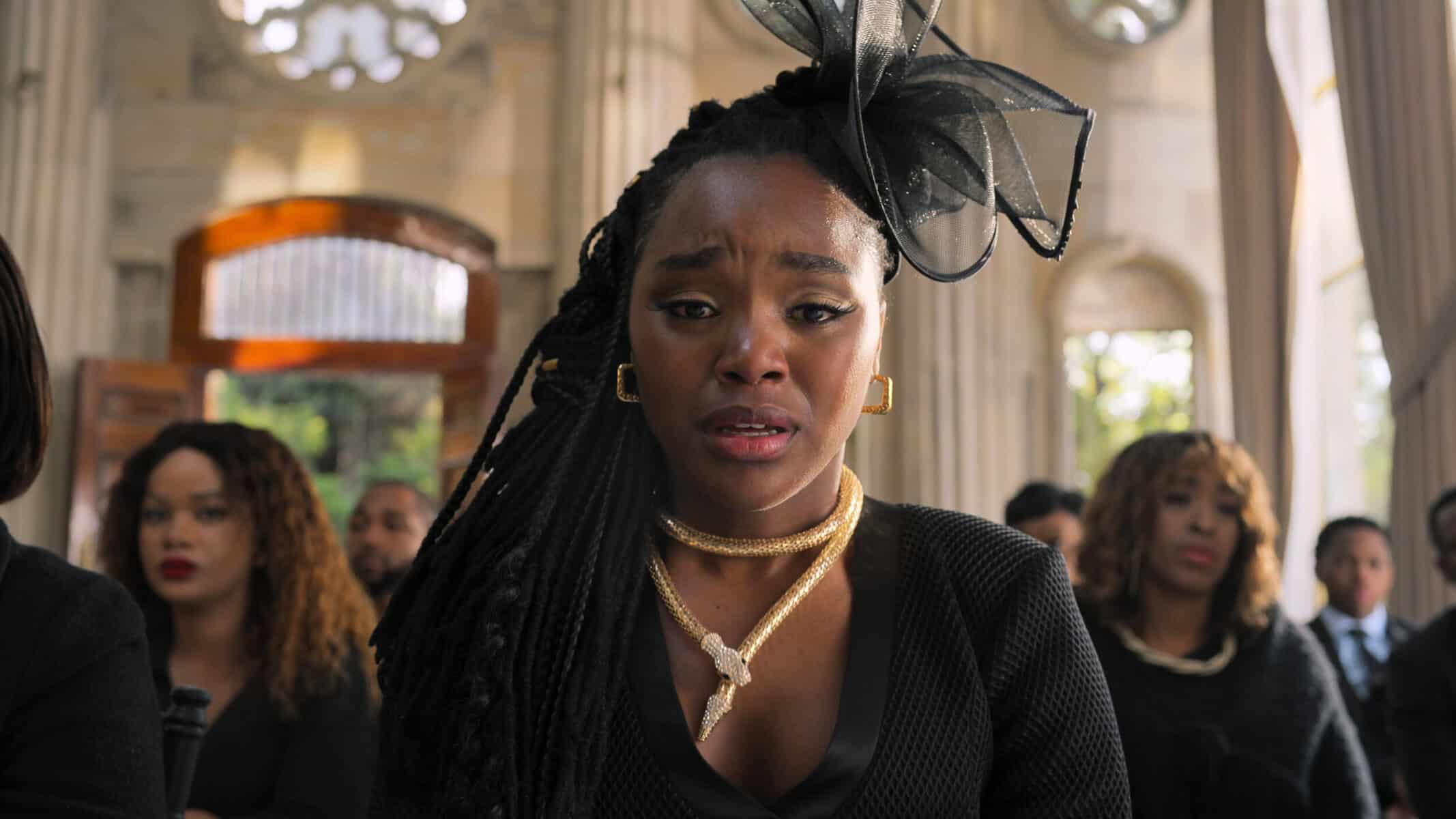
For Zwane, playing a divisive character like Lindani is “freeing” rather than pressuring, even with an existing version of the character already known to audiences.
“Art is supposed to make you uncomfortable. Art is supposed to make you question things,” she said, adding “There are so many Lindanis and Jonasis behind closed doors. Not everyone is honest in the world.”
A global stage for local stories
With Netflix’s international reach, the cast acknowledged that the show will land far beyond South Africa’s borders, but said the scale of the audience was secondary to the personal meaning of the work.
“I don’t make art from a place of doing it for others. It’s always for myself,” Shabalala said, recalling her roots in Umlazi. “Someone in New York can say, oh, I actually saw you play Mpume… it’s nice.”
Ndlovu added that, for many South African families, recognition closer to home carries its own weight.
He recalled relatives asking when he would land a role on a more widely watched local soapie, Uzalo, rather than focusing on the international platform. It would be endearing to find out what they think about his newfound global success.
The Polygamist is streaming now on Netflix.