Tiger Brands hosted members of the media on a two-day farm-to-factory tour, offering an in-depth look at how Black Cat peanut butter is made.
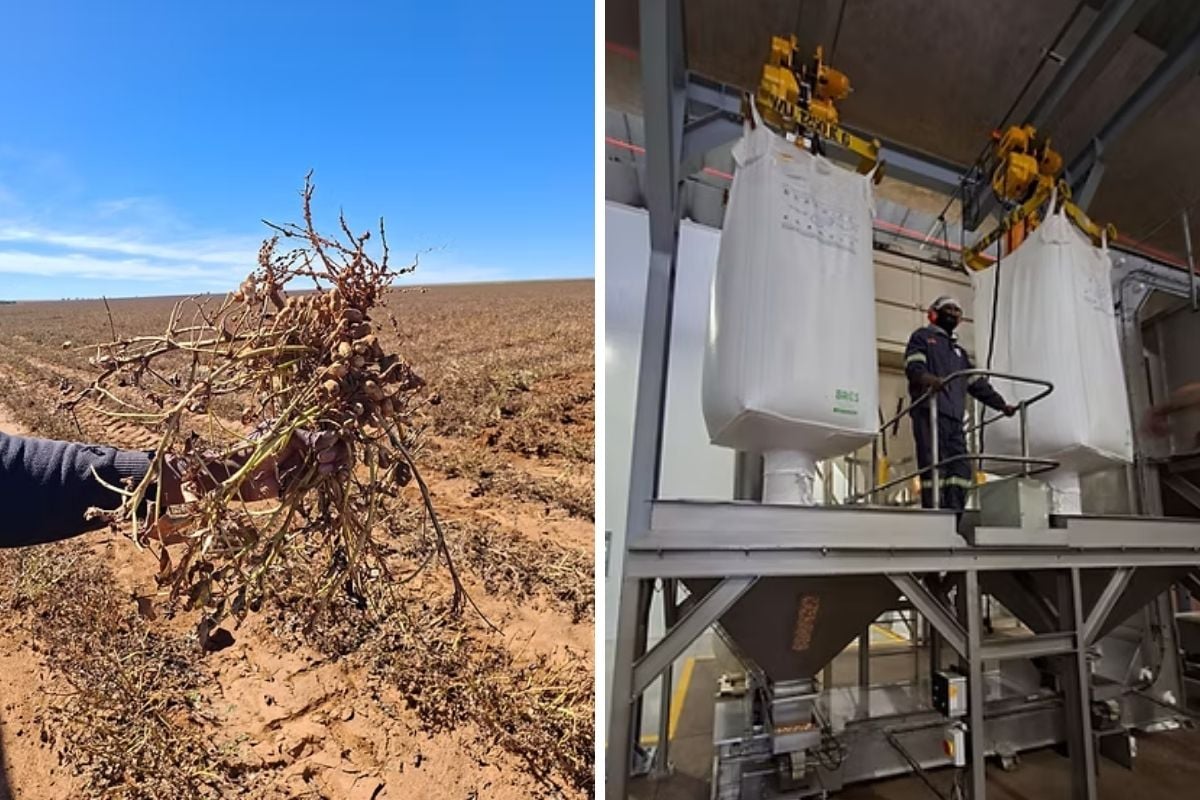
Black Cat is celebrating 100 years of production this year. Pictures: Supplied


Black Cat peanut butter is celebrating 100 years of production this year.
Tiger Brands hosted members of the media on a two-day farm-to-factory tour, offering a detailed look at how peanuts move from farms in the North West to processing facilities and manufacturing plants in Gauteng before Black Cat peanut butter reaches store shelves.
The experience began at a commercial peanut farm in Schweizer-Reneke, North West, where members of the media were introduced to the agricultural practices that underpin Black Cat’s production.
Farmers Wikus Mostert and Keith Viljoen explained the planting cycle, irrigation requirements and harvesting process, highlighting how weather conditions, soil quality and crop management influence the quality of the final product.
Mostert, who has farmed for 22 years and currently cultivates 1 500 hectares of peanuts, explained that this year they suffered a significant harvest loss due to rain.
“Half of the harvest was lost due to the excessive rain during the harvesting season. We received 300mm of rain over a period of four weeks, and because of this, the peanuts do get affected by developing black spots, which impacts the grading,” he said.
Viljoen added that the rain not only delayed harvesting but also pushed operations slightly behind schedule.
“Normally, the pod would be greener than it is at this stage,” he explained.
“We are a little bit late. Last week, it was still too wet for the diggers to get into the field.”
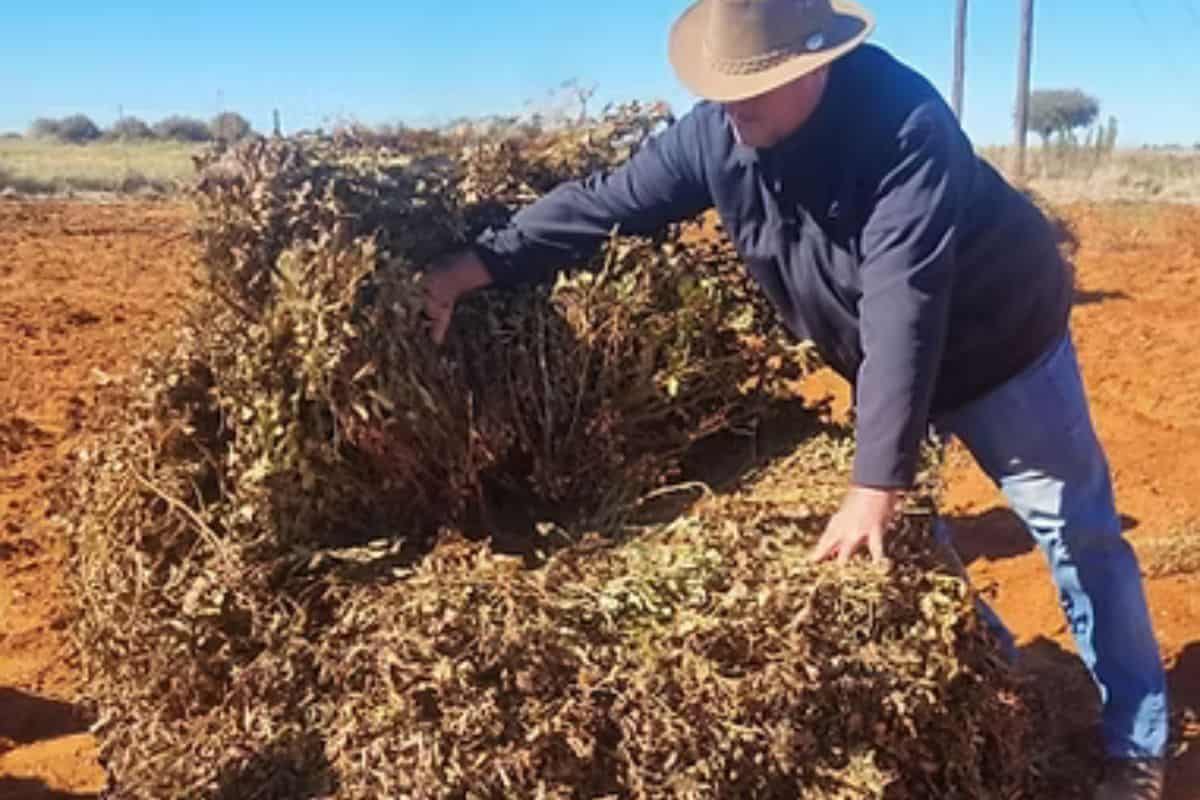
He said once conditions improve, the plants are lifted from the soil and left to dry in the sun for three to five days before harvesting.
After drying in the sun for around three to five days, mechanical harvesters are brought in to lift the plants and separate the peanuts from the rest of the crop. The harvested peanuts are then cleaned, graded and prepared before being transported for processing.
A key concern in peanut processing is aflatoxin, a naturally occurring toxin that can develop under certain storage conditions. Managing and reducing this risk has been a long-term focus for the company.
Albe Koen, director at Triotrade, Tiger Brands’ processing partner, explained that improvements in drying and storage practices have significantly reduced contamination levels over time.
“Years ago, this factory was running on aflatoxin rejection of about 50-5%,” Koen said.
“With better control in the stacks outside, better drying, we’ve brought that down to around 10% or even less.”
He said the reduction has improved efficiency and reduced waste, while strengthening overall product quality.
From Triotrade, the raw peanuts are delivered to Tiger Brands’ manufacturing facility in Chamdor, Gauteng, where they undergo a controlled production process to ensure food safety and consistent quality before being packaged and sent to shelves.
Tiger Brands reports improved financial performance
While the tour focused on the production process behind Black Cat, the brand’s centenary also comes as Tiger Brands reports improved financial performance across several of its businesses.
The company’s six-month financial results for the period ended 31 March 2026 show that the group recorded revenue of R17.9 billion, supported by volume growth despite continued pressure on consumer spending.
Its Culinary division, which includes Black Cat, delivered one of the strongest performances, with revenue rising to R5.7 billion and operating income increasing by 26.9%.
Tiger Brands says the results reflect ongoing efforts to balance affordability with efficiency in a challenging economic environment.