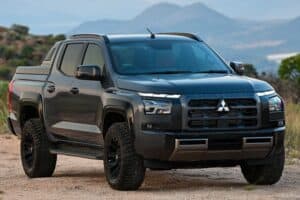
Newcomer will be based on the Maxus Interstellar X, known in South Africa as the LDV Terron 9.
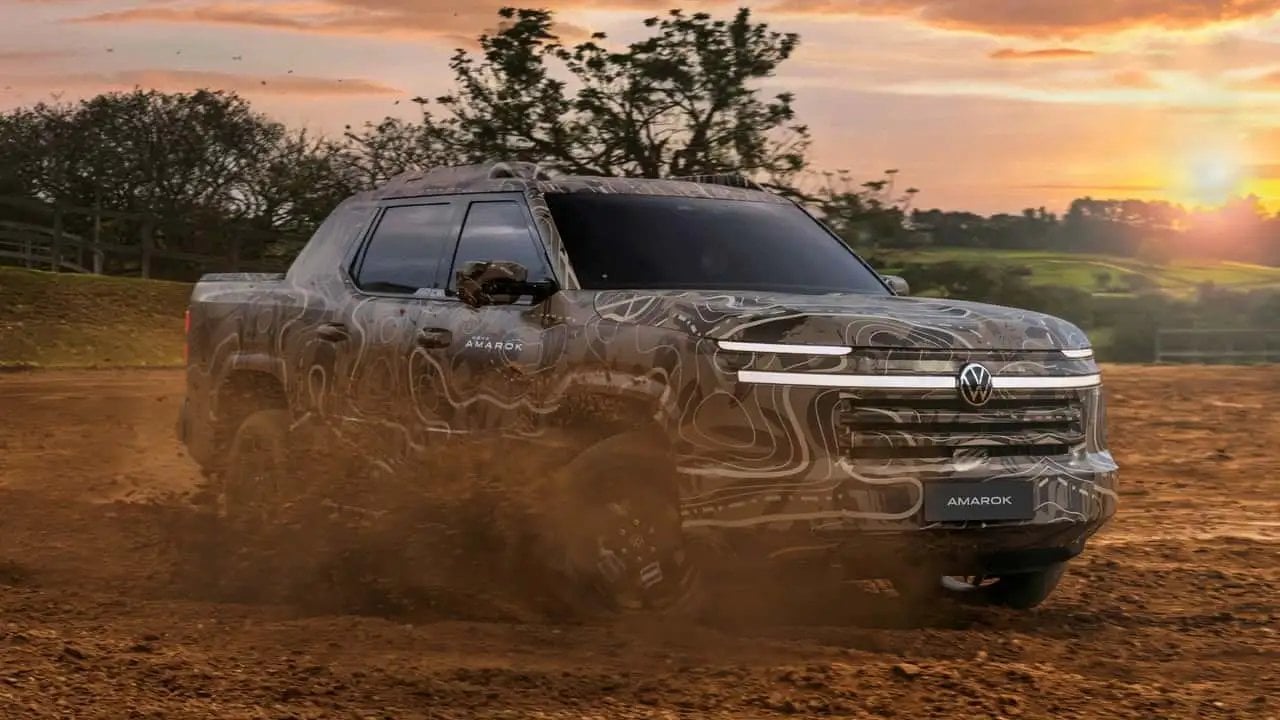
Shown in Brazil, the Amarok will go on-sale next year in South America based on the LDV Terron 9. Picture: motor1.com Brazil


Having debuted the Tukan at the Festa do Peão de Barretos in São Paulo this past weekend, Volkswagen used what is reported to be Brazil’s biggest rodeo and cowboy festival to preview the all-new Amarok for the first time.
Chinese-based
Launching next year, the Amarok will continue to be produced in Argentina at the General Pacheco plant, but unlike the current global model, won’t be based on the Ford Ranger.
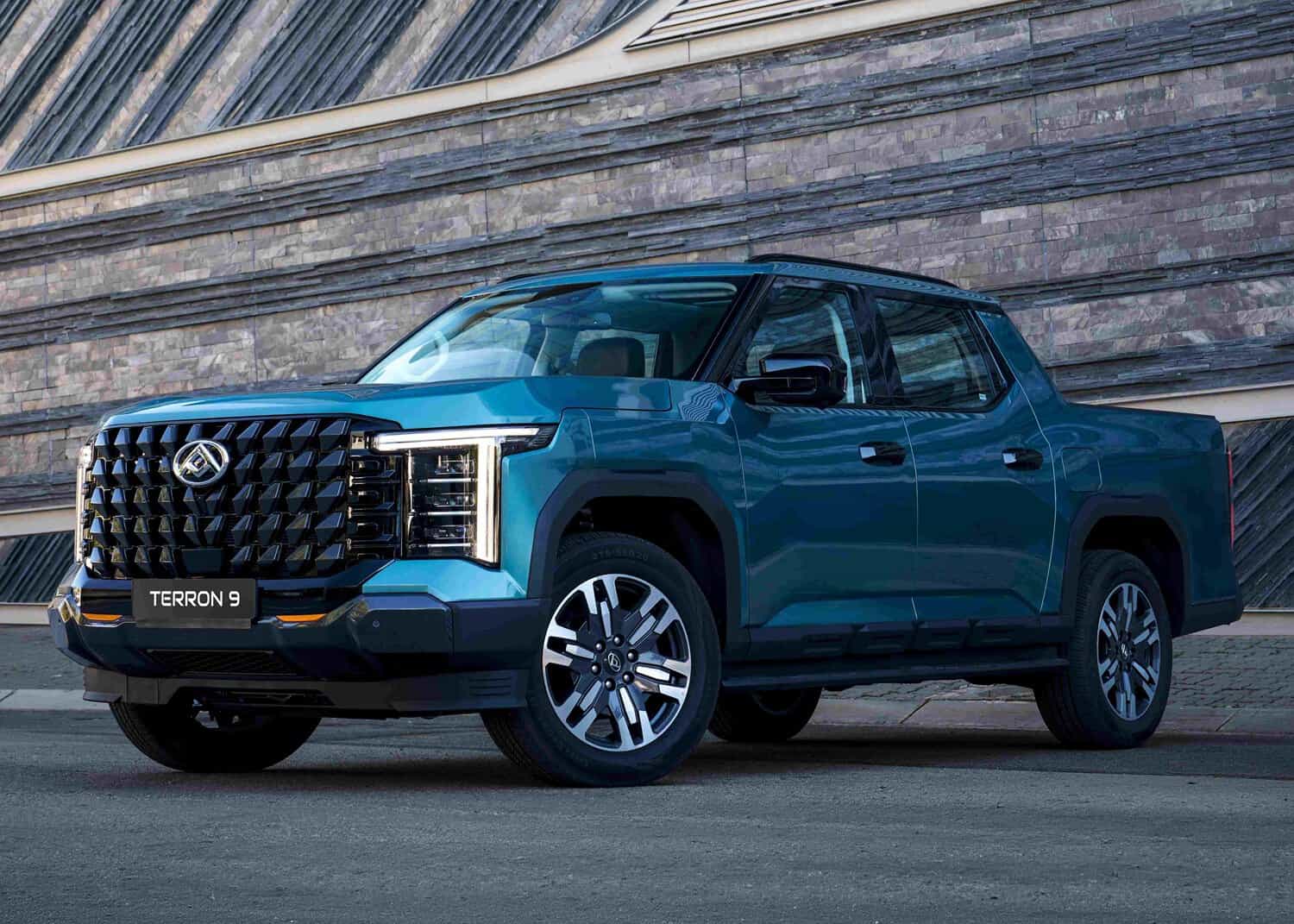
Instead, the replacement for the original, which is still being produced exclusively for South America, will be based on the Maxus Interstellar X, known in South Africa as the LDV Terron 9.
First-time plug-in hybrid
The result of Volkswagen’s long-standing joint venture with LDV/Maxus parent company, Shanghai Automotive Industry Corporation (SAIC Motor), the new Amarok will reportedly still have a turbodiesel engine, but according to motor1.com Brazil, a plug-in hybrid option for the first time.
Teased with a Volkswagen-specification front-end, but the same side profile as the Terron 9 at the “Barretos”, the plug-in hybrid version will reportedly wear the 800 TSI designation in reference to it producing 800 Nm of torque.
While final details about the powertrain are still unknown, the report claims a combined power output of 350 kW will be achieved.
Previewed by MG?
The timing of the plug-in hybrid Amarok is expected to come after that of the Terron 9’s cousin, the MG U9, which was reported last year as being lined up for a plug-in electric version in Australia.
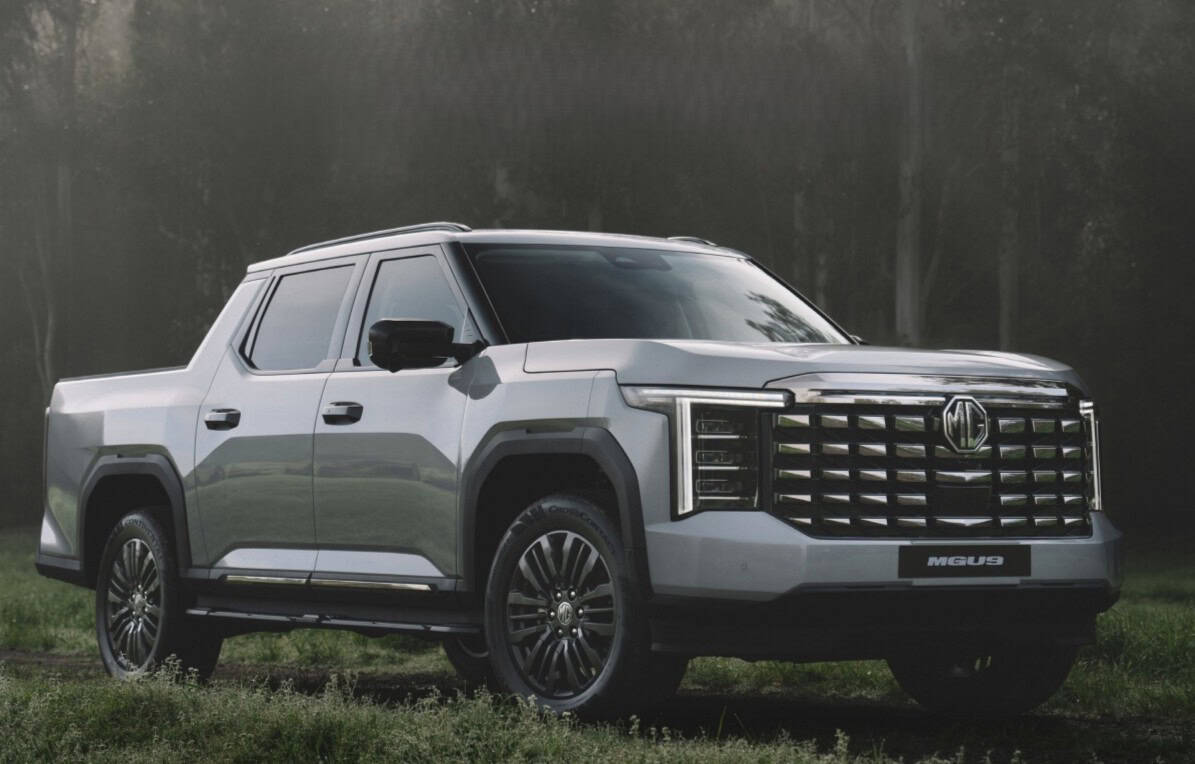
“We already have the plan [for PHEV], I think it’s mid-2027. I will develop a PHEV, and I will catch up [to market competition]. And in the future, let the customer make the decision – do you like PHEV or diesel?” MG Australia’s Peter Ciao was quoted by drive.com.au as saying.
No more V6?
As with the Amarok, no details of the U9’s plug-in hybrid powertrain were revealed. However, speculation has alleged it could follow that of the BYD Shark 6 Performance and JAC T9 PHEV in combining a 2.0-litre turbo-petrol with one or two electric motors.
Aside from the plug-in hybrid, the South American Amarok will still provide a diesel engine, though not the 3.0 TDI V6 that has powered it since 2016.
Instead, the 2.5-litre turbodiesel four-cylinder from the Terron 9 is set to feature, with the same 164kW/520Nm outputs.
At the same time, the interior is expected to differ from that of the Terron 9, as will the dynamics, electronics and chassis to better suit South American market preferences.
Dimensions
The switch from the original Amarok, which received an extensive rework two years ago, to the Chinese model, means the newcomer will have considerable dimensions gains.
In accordance with those of the Terron 9, the new Amarok will most likely have the following measurements:
- Length: 5 500 mm;
- Wheelbase: 3 300 mm;
- Height: 1 874 mm;
- Width: 1 997 mm
As with the Terron 9, the Amarok will retain the 3 500 kg tow rating, and could offer the same mid-gate in which the bulkhead below the rear window folds down to create an enlarged loading area.
Why China and not South Africa?
Part of a R $4-billion (R12.4-billion) investment into the Pacheco plant, the decision to stick with the original Amarok rather than opting for the Ranger example comes after the well-publicised fallout of Project Cyclone, in which the Blue Oval backtracked on having production take place at Pacheco.
Instead, the Amarok is produced solely at Dearborn’s Silverton plant outside Pretoria, a move extensively slammed by Volkswagen Argentina’s Product and Sales Manager, Francesco Pecchia.
“We, having been the founders of this product, decided not to join this global alliance and kept our pick-up that we had been manufacturing since 2010,” Pecchia told now defunct publication motor1.com Argentina at the time.
“We did not want to lose 14 years of work and development on this pick-up that has become a benchmark in our market.
“The idea was to continue working on this vehicle, which had already earned its reputation in Argentina and throughout South America. That is why we decided to keep our own vehicle, where all the decisions are ours, without depending on an alliance”.
‘Ours is better’
Opting to facelift the Amarok rather than securing the Silverton-built example, Pecchia described the Ranger-based model as not having the same “level of ride comfort, dynamic behaviour or off-road performance of our Amarok”.
“Our pick-up has a better suspension, which allows it to offer superior dynamic behaviour and greater comfort. Then there is our V6 engine, which is also superior in terms of performance.
“In addition, in this new Amarok, we are adding a lot of things that were missing. These are elements of technology, design and safety that deserved to be added to its offer”.
Not coming to South Africa
Already spied undergoing testing in South America, the Terron 9-based Amarok is expected to debut after the Tukan, which will have an early 2027 debut.
Unsurprisingly, it will be bound to South America and therefore won’t replace the Ranger-based example in South Africa anytime soon.