An attractive price tag, generous list of features and funky looks are let down by a dated interior and compromised drivetrain.
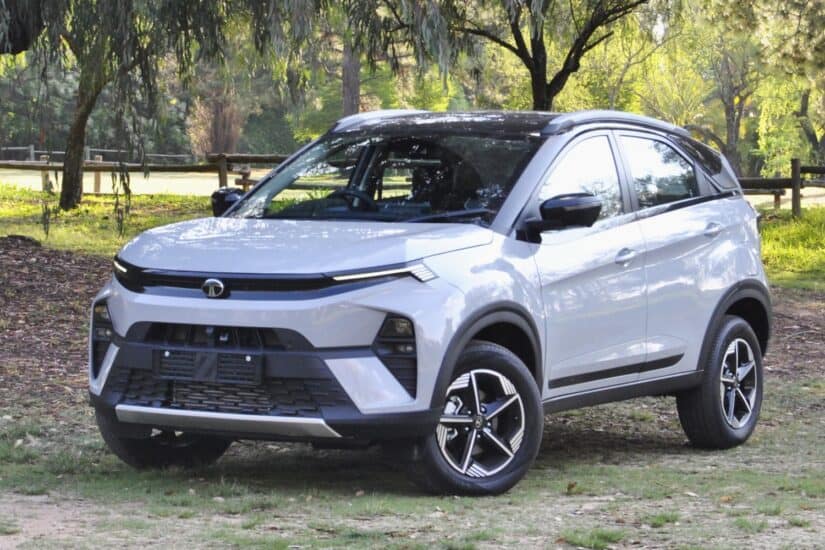
Last updated three years ago, the Osprey bears indication of its almost 10-year old self on the outside. Picture: Charl Bosch


Tata’s return to South Africa last year after a decade long absence hasn’t resulted in the same misadventure comeback many had predicted against the backdrop of the Chinese vehicle boom.
A successful return…
In large part thanks to the Tiago that starts below R200 000, the Indian giant has managed total sales of well over 5 000 units since its return.
Taking matters up a notch, it will increase its model count over the next 12 to 18 months with the launch of the facelift Punch and the all-new Sierra, which, as a result of the moniker still being owned by Ford, will be renamed Styzor.
Call me Osprey
Before the pair’s arrival, though, the long-awaited debut of the Nexon has been the biggest talking point for a number of reasons.
A runaway success in its home market with 1.1-million units since going on-sale there nine years ago, it also became India’s third best-selling new vehicle last year with a total offset of 200 561 units.
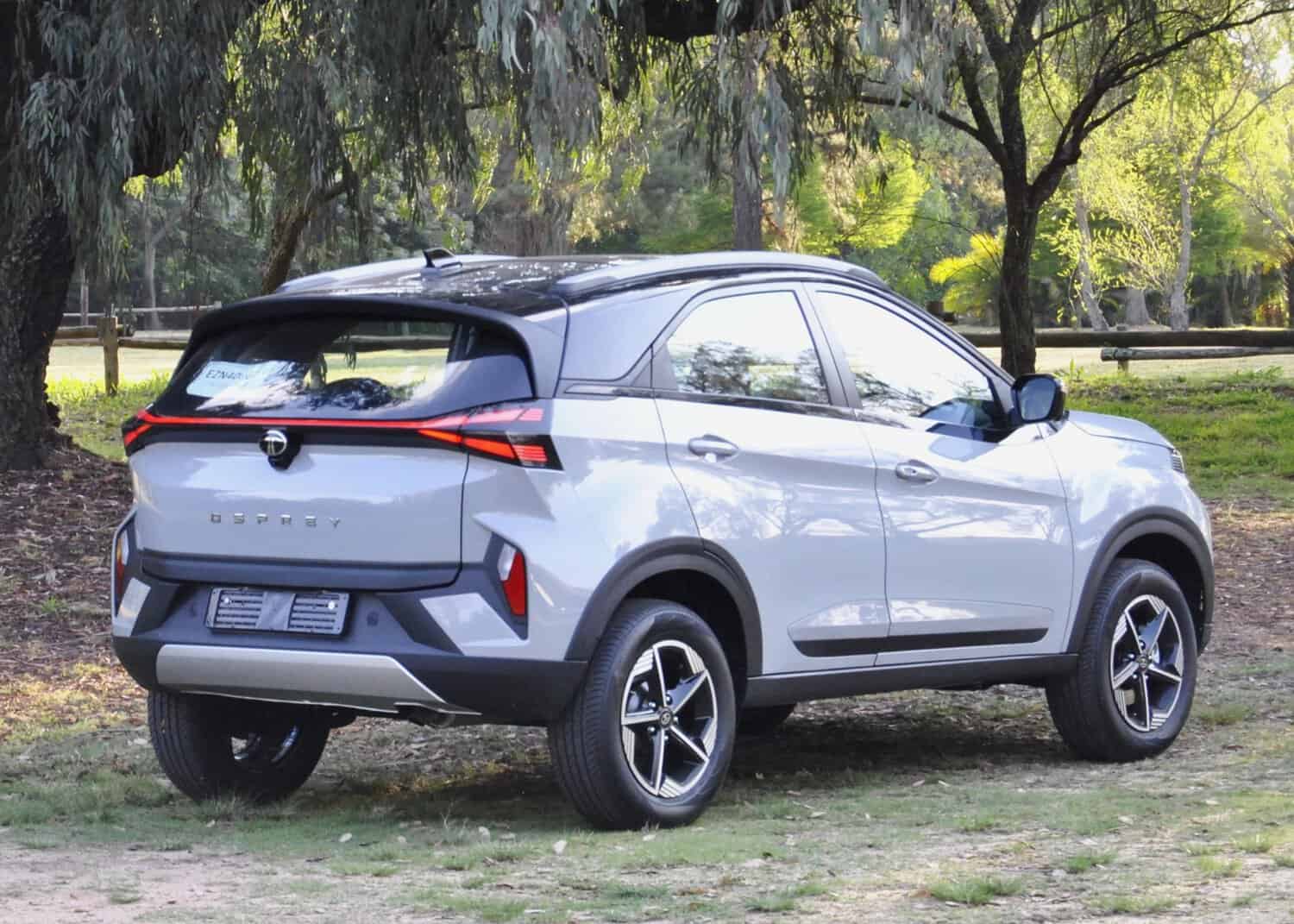
Comfortably Tata’s top-seller of 2025 in its domestic market, the surprise decision in June to rename it Osprey for South Africa was said to be a “carefully curated and engineered” decision drawing from the bird of prey’s ability to effortlessly thrive no matter its location.
Officially launched in September and priced from an enticing R249 900, the arrival of the Osprey for the weeklong stay left not only lots to be desired, but questions about whether its rock-bottom price tag is truly worth it.
That saying about age…
Aesthetically, the Osprey is off to a good start as its current look hails from 2023 when the Nexon received its second mid-life update.
Styled to resemble the Curvv that sits above it, the Osprey looks stylish and funky, without any perceived hints of it approaching 10 years old.
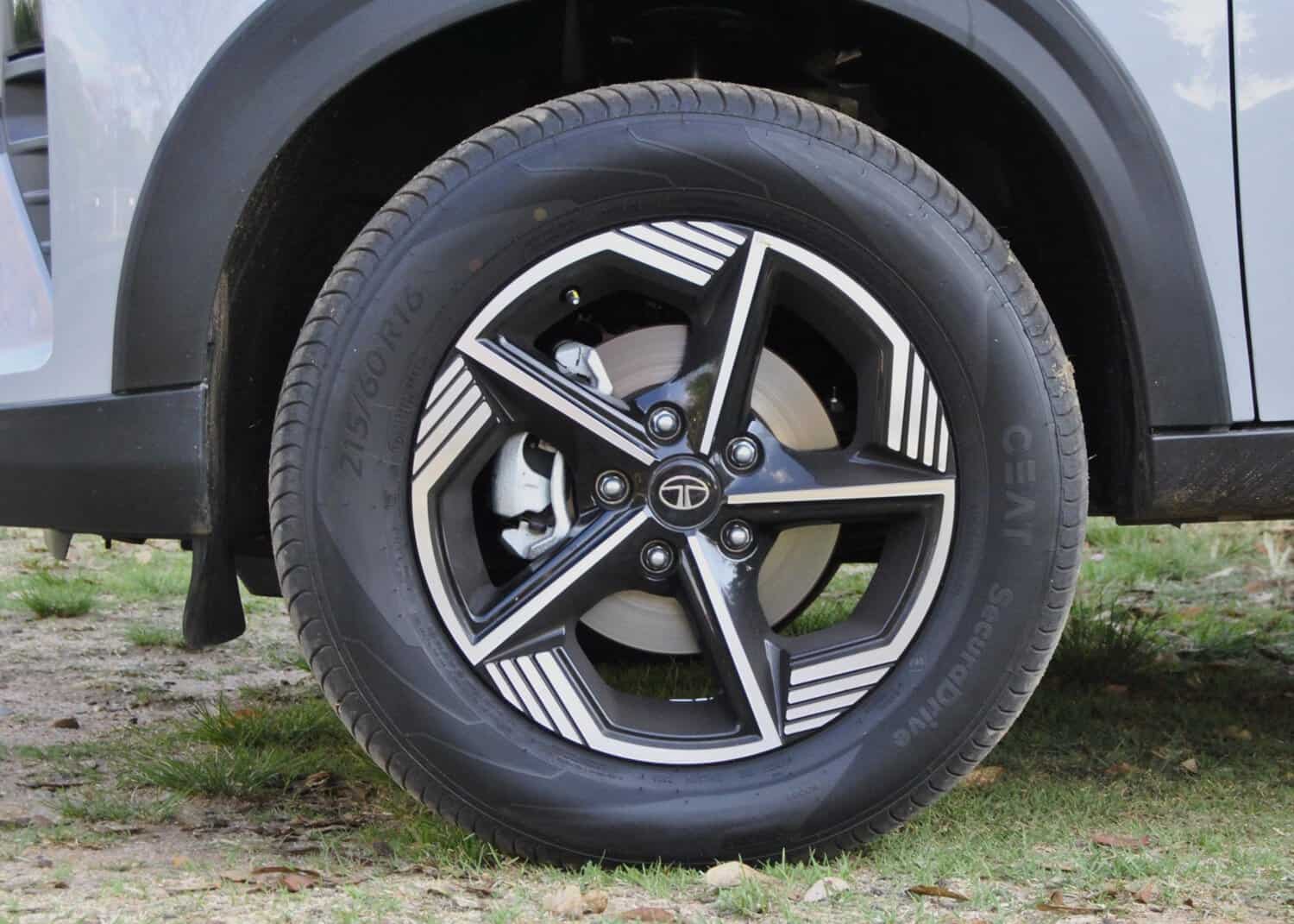
Tested here in flagship Creative+ guise priced at R329 900, it also gets fetching 16-inch alloy wheels, LED head-and taillights and imitation skidplates below the front and rear bumpers.
At the same time, the Creative is also the sole variant to have a two-tone exterior colour, though, the combination of the black roof and Midlands Mist Grey conspire to make the Osprey not as eye-catching as Tata expects it to be.
…shows inside
Conforming to India’s sub-four metre regulations means the Osprey presents bigger than it actually is, as the restrictions require brands to “build up” instead of lengthening the final product to obtain the desired interior space.
In the case of the Osprey, though, opening the door reveals the limitations in its clearest form, as apart from being cramped and overly reliant on shiny, cheap-feeling materials, its age is most evident despite the inclusion of a relatively good infotainment system.
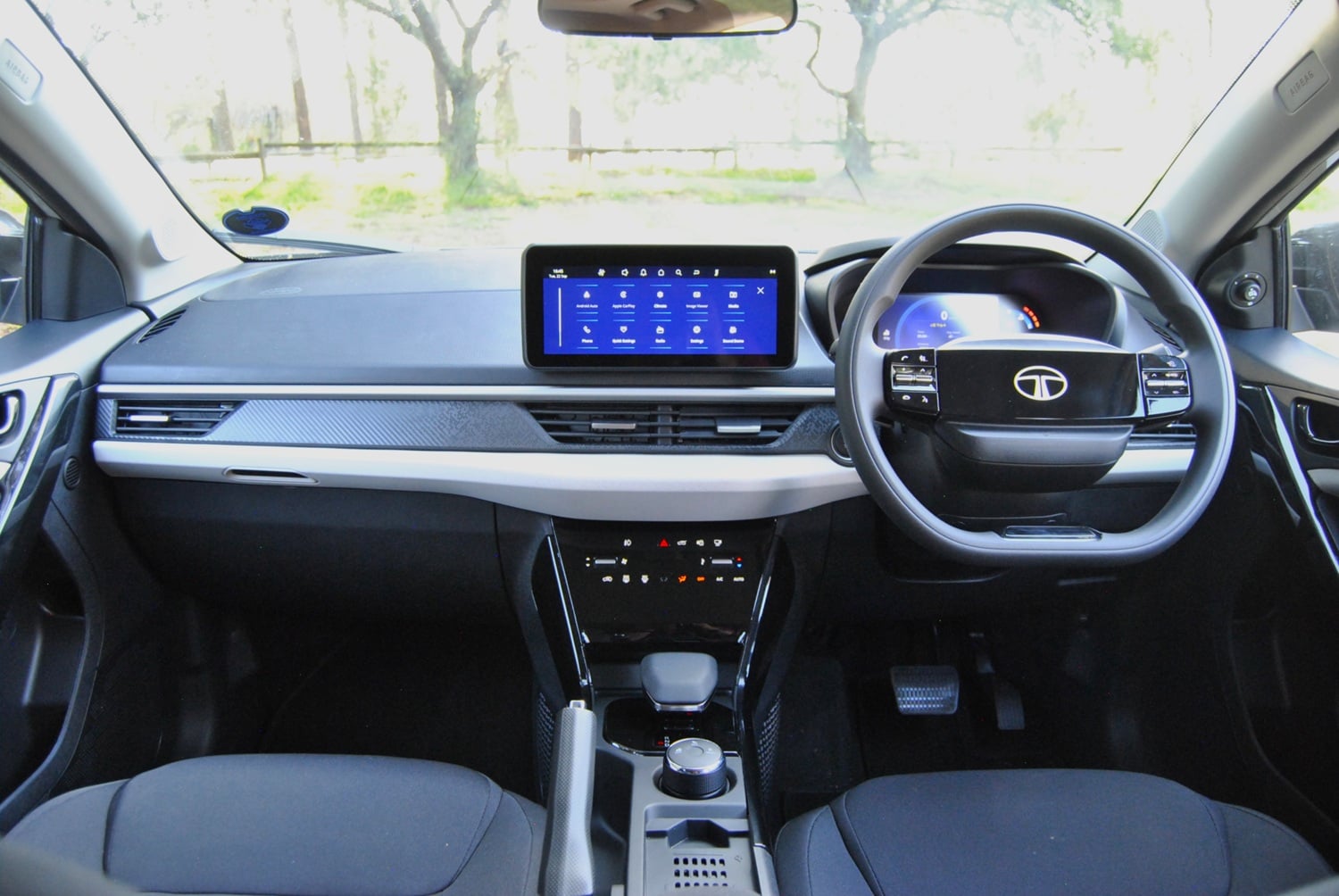
Again derived from the Curvv, the interior presents decent, but fails to deceive as, apart from the plastics and piano-key black digital climate control panel, the textured trim on the dashboard looks low-rent and the combination of black and grey finishes anything but inviting.
Finished in black cloth, the seats are tight, and while comfort is okay, the front chairs don’t drop all the way to the floor.
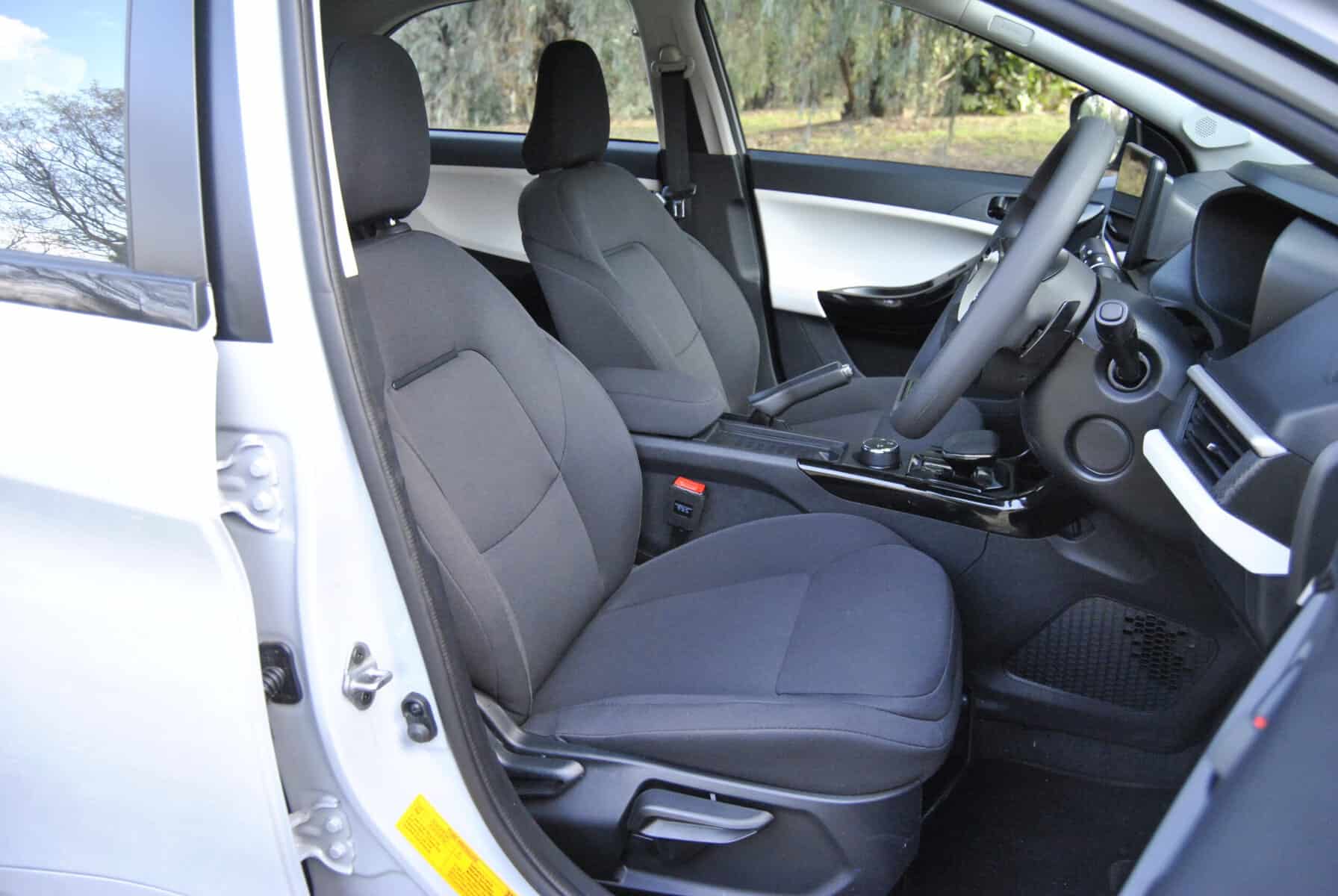
This, together with the supposed nicety – at the price – of a sunroof, translates to limited headroom for taller passenger, who face having their heads come into contact with the sharp outer cavity of the roof and side pillar.
Final fit-and-finish also comes in for questioning as the moulded plastic trim on top of the steering column, which can only be adjusted for rake, had started to peel upwards as if the adhesive or glue meant to be holding it down was coming unstuck.
Good infotainment
Fitted with the same steering wheel as the Curvv replete with the fetching but awkward rectangular black trim piece, the Osprey’s 10.25-inch infotainment system is at least one of the interior’s bright marks.
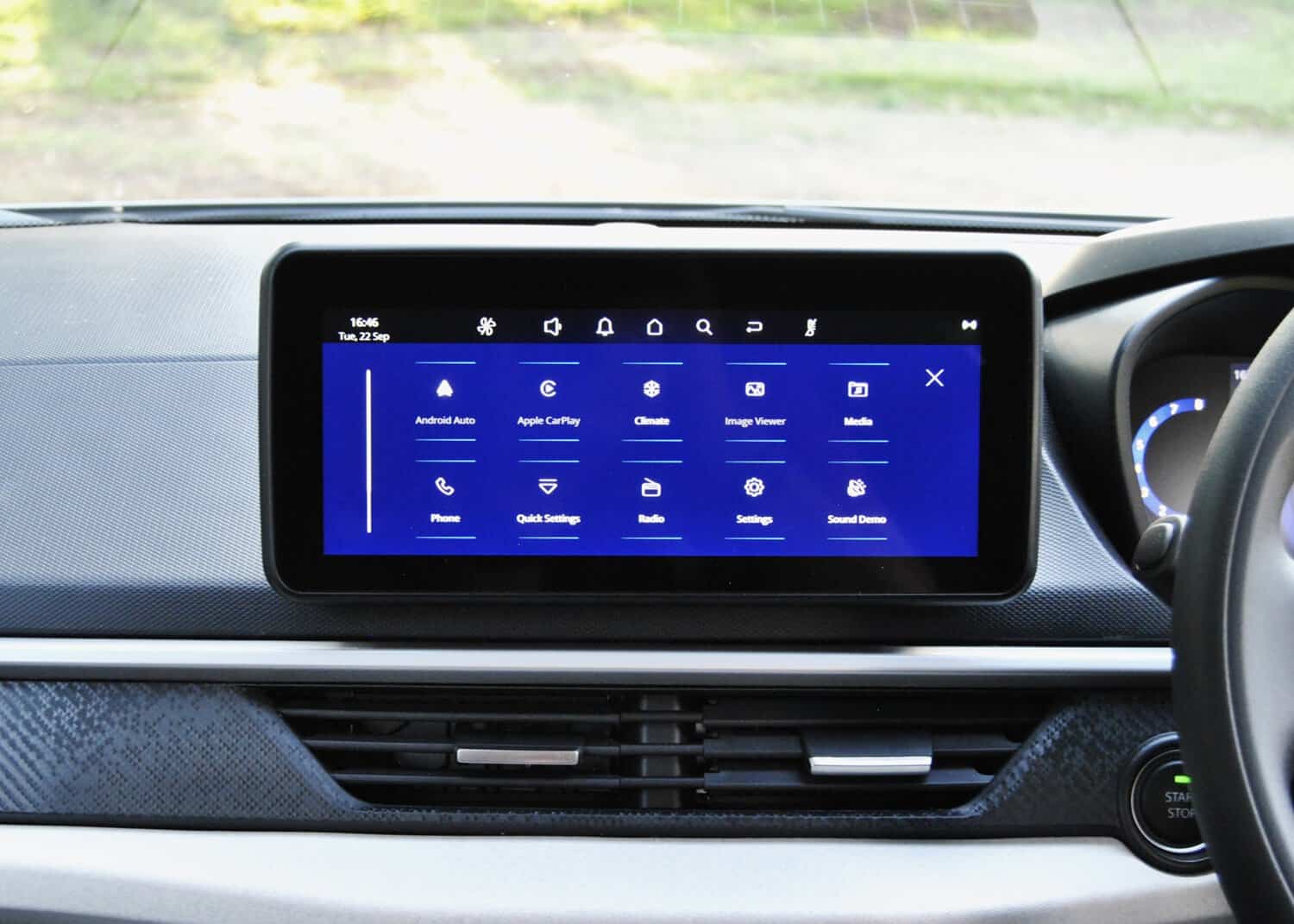
Part of the mentioned facelift three years ago, the freestanding display is relatively easy and slick to use, and is aided by wireless Apple CarPlay and Android Auto.
In addition, the quality of the 360-degree surround-view camera impressed, as did the fairly easy to decipher seven-inch digital instrument cluster, the quality of the six-speaker sound system and the physical buttons and toggle switches on the wheel itself.
Basic oversights
Unfortunately, the connectivity trade-off comes at the price of basic ergonomics as the slimline centre console houses a ventilated wireless smartphone charging, but no cupholders and a tiny storage bin, whose application becomes irrelevant as it also houses the 12-volt power outlets and USB ports.
Those at the front, therefore, only have access to bottle holders in the door cards, which are inadequate to accommodate anything but a 500 ml bottle at the very least.
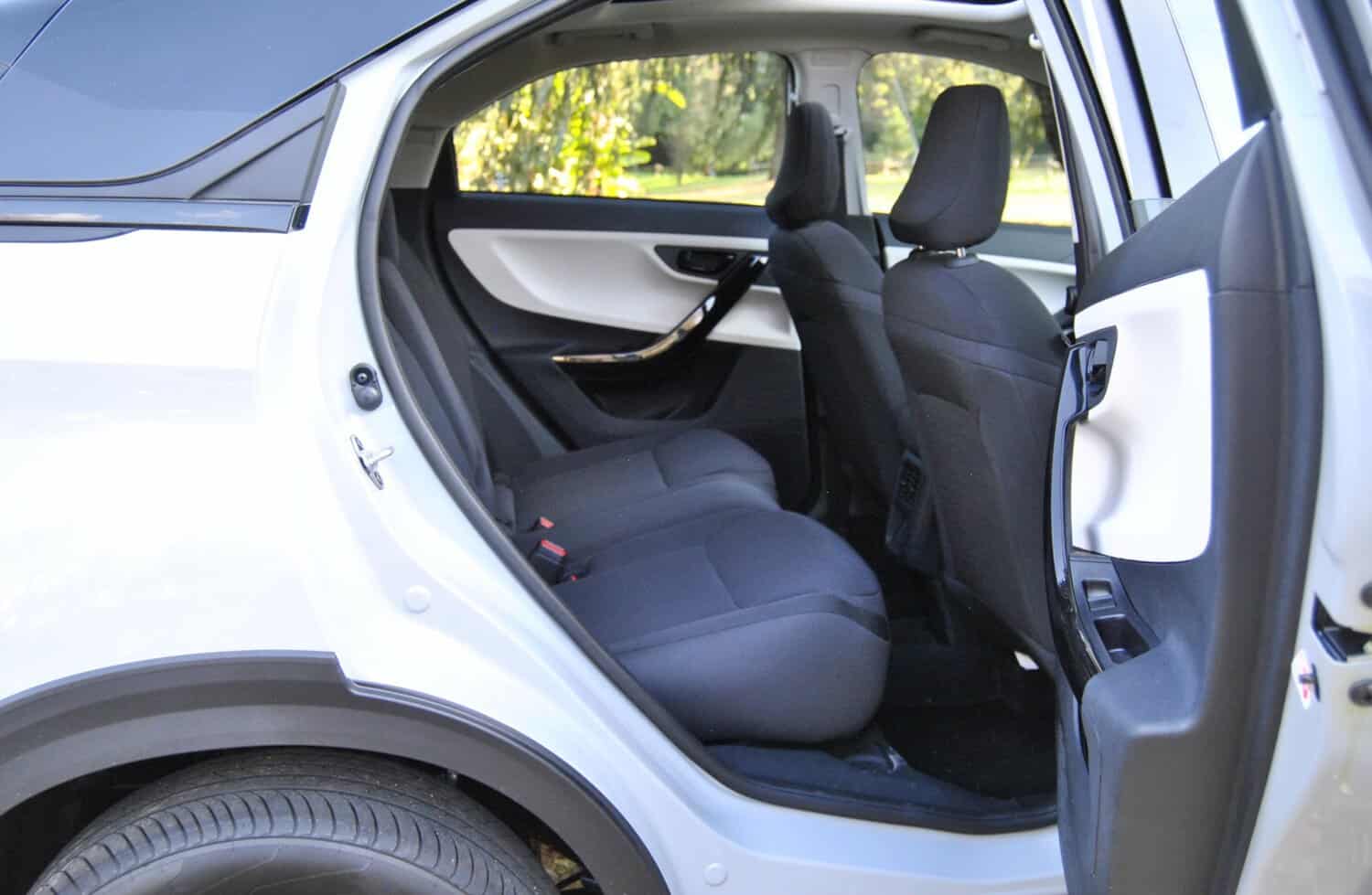
Ironically, a pair of cupholders are provided for rear passengers along with an armrest and air-conditioning vents. However, the Osprey’s length and sunroof rob headroom, with the only trade-off being acceptable legroom.
Spec
Apart from the items mentioned, the Creative+ is otherwise well equipped with the following as standard:
- electric mirrors;
- LED daytime running lights;
- folding electric mirrors;
- roof rails;
- rain sense wipers;
- push-button start;
- automatic climate control;
- keyless entry;
- cooled glovebox
Also not skimped on is safety, as the Creative gets:
- six airbags;
- cruise control;
- tyre pressure monitor.
- front and rear parking sensors;
- Blind Spot Monitoring;
- Electronic Stability Control
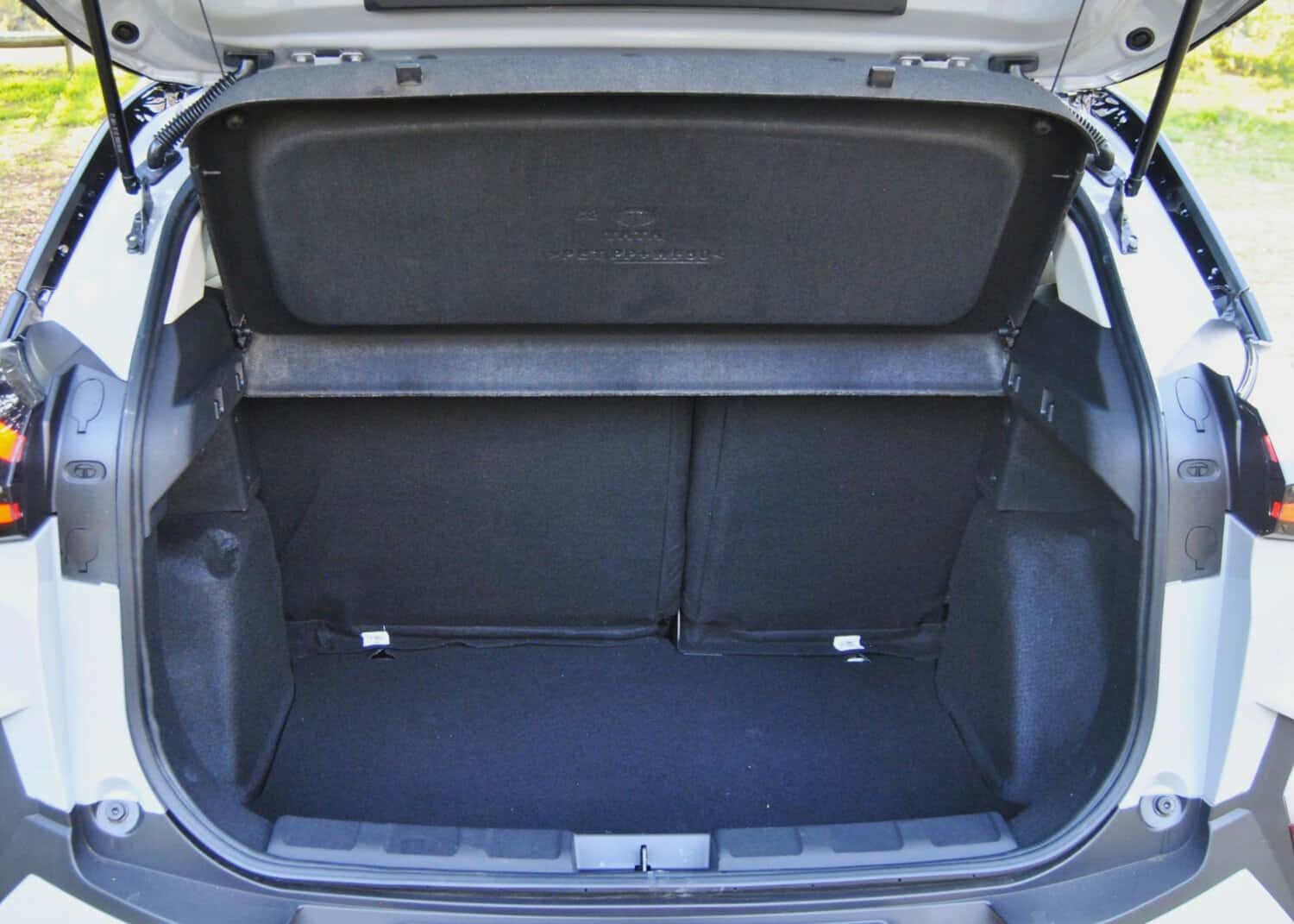
Opening the boot, meanwhile, reveals even better news as, given its size, a claimed 382 litres can be stored underneath the parcel shelf with the rear seats not folded forward.
Failing to soar
It is on the move where the Osprey’s wings are resoundingly clipped the most.
Most likely as a result of South Africa’s fuel quality, the 1.5-litre Revotorq turbodiesel engine found in India won’t be making an appearance anytime soon.
As such, all domestic models are powered by the same 1.2-litre Revotron turbo-petrol as in the Curvv with outputs of 88kW/170Nm.
Apart from the six-speed manual gearbox offered in the base Smart grade, the option, and sole choice for the mid-range Creative and Creative+, is a seven-speed dual-clutch augmented by paddle shifters.
A par for the course segment selection, the final execution is more reminiscent of some Chinese vehicles with a poorly calibrated throttle and a gearbox that hesitates when going up and judders when shifting down or at slow speeds.
Once up to speed, the engine is much more agreeable and comes with decent shove, but is still hampered by the gearbox that works in a disjointed fashion and ultimately spends most of the seven days erratically shifting between sixth and seventh gears on the open road.
Opting for the equally cheap-feeling paddle shifters didn’t resolve the matter either, as did selecting Sport mode.
Equipped with the latter as well as Eco and Normal settings, switching the Osprey to its most engaging setting resulted in the ‘box lurching between shifts as it struggled to keep pace with the faster selection process.
Dynamically, the Osprey’s steering is good for a vehicle in this segment, and the ride is well managed considering its structure and 208 mm of ground clearance that shames more expensive and bigger SUVs
Given its price, engine noise is still audible, to some extent, inside. Yet, this isn’t unexpected.
Fuel consumption
As for fuel consumption, the seven-days and 255 km recorded a best of 14.3 km/L – the trip computer not offering a setting that allows a switch to L/100 km as the former measurement is what is used in India.
Converted to L/100 km saw the tenure amount to 6.9 L/100 km, not bad considering Tata’s own claim of 6.3 L/100 km.
Conclusion
Competing in a segment frequented by not only products from its countryman, but also Chinese and legacy brand offerings, the flagship Tata Osprey is simply outgunned in most departments, despite its list of features and price tag.
A case of “want because I want it” buy, it is just too flawed and, unlike the Tiago or even the Punch, not as forgivable considering what it promises in advance.
No longer about being cheap and appealing, the Osprey’s lack of substance and final execution spoils conspires to not only make it a tough sell, but also a product to recommend.