


Volvo's first-ever electric sedan has a claimed range of 755 km and will still do 0-100 km/h in 6.6 seconds.
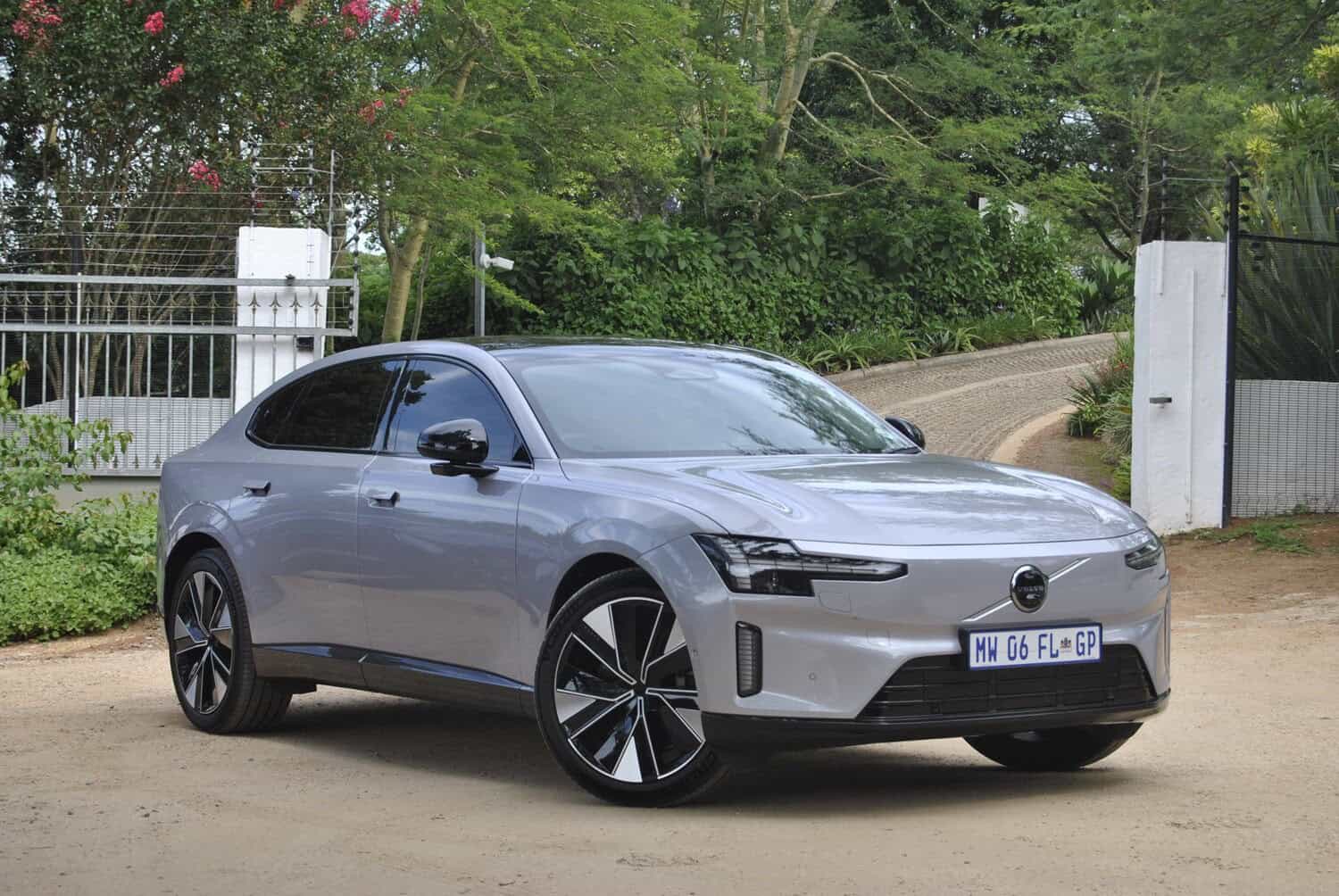
ES90 sees Volvo return to the D-sedan segment after four years. Picture: Charl Bosch


With the ES90, Volvo returns to the admittedly shrinking D-sedan segment for the first time since quietly ending the S90 four years ago.
The questionable ‘sedan’
Approved for South Africa towards the end of last year as one of four new models planned for 2025 and 2026, the ES90 is, however, about as far removed from the S90 as its bodystyle suggests.
ALSO READ: Volvo’s first electric sedan priced as sticker is put on ES90
Whereas the latter had been a sedan in the most conventional sense, the ES90’s official designation isn’t as clear-cut.
Appearing sedan-like, but with a fastback appearance, it also boasts SUV-levels of ground clearance.
Electric gamble
While “cross sedan” seems appropriate, the ES90’s main talking point is that unlike the S90, no combustion engine of any kind resides underneath the bonnet.
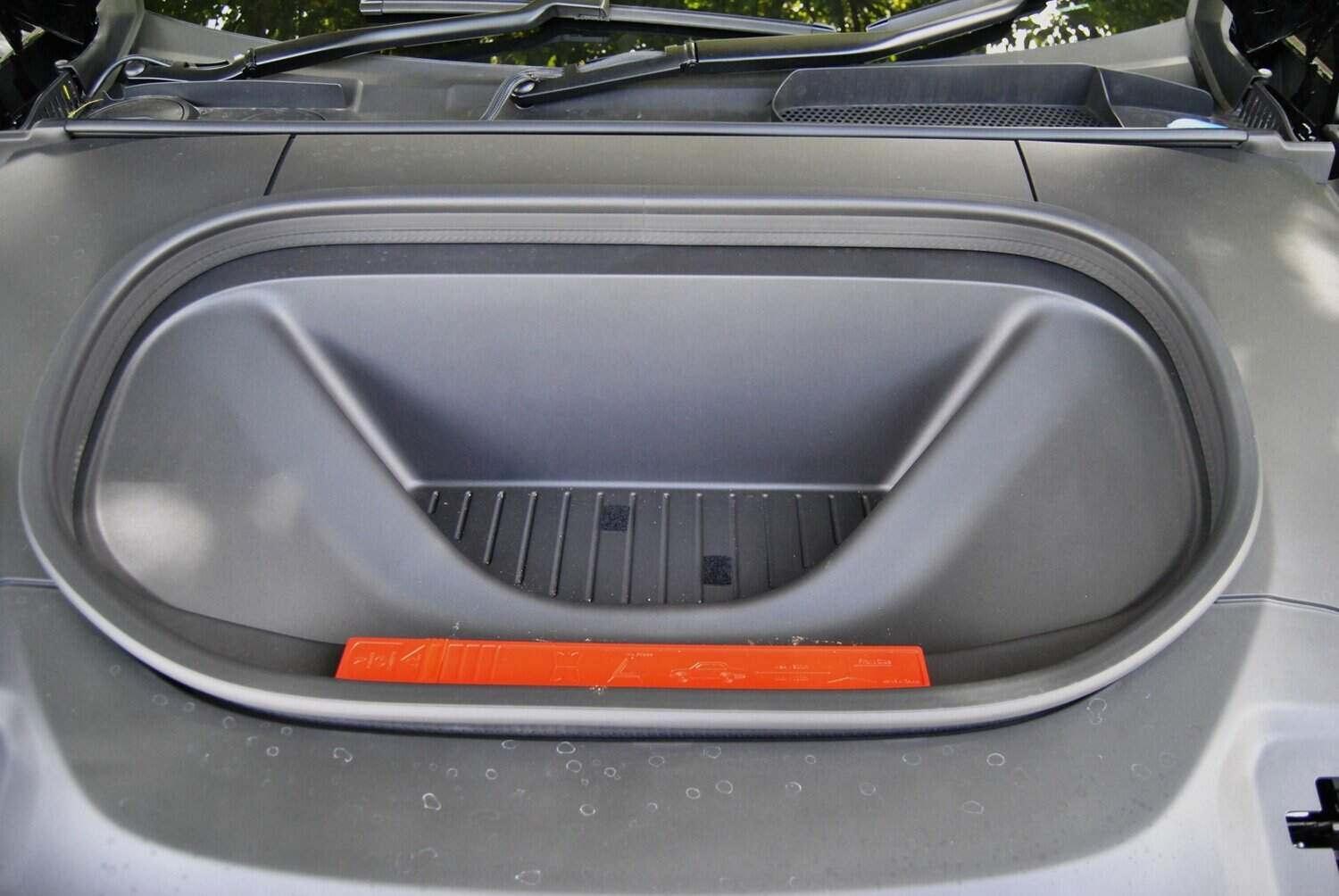
Instead, this is occupied by a 27-litres storage area as the ES90 is fully electric.
What’s more, the electric motor is mounted on the rear axle, making the ES90 the first rear-wheel drive Volvo to be offered in South Africa in decades.
At the same time, it also becomes the first-ever electric Volvo sedan, and by extension, a first for the Republic.
Electric future… with combustion help
An alternative to the EX90, the ES90’s arrival forms part of Volvo’s vested commitment to electrification.
Despite its well-published commitment to be fully electric by 2030, this decision no longer applies.
Last year, it announced a dual-powertrain strategy involving hybrids and EVs for the foreseeable future. As such, ongoing investments will be made into mild-hybrid and plug-in hybrid powertrains, as well as EVs.
This also means models such as the XC60 and XC90 have been updated, and newer models such as the ES90 and EX60 introduced.
ES90 it is
While select markets still have the S90, which received a facelift last year, the emphasis for South Africa is squarely on the ES90 as part of Volvo’s growing range of EVs.
Joining the EX90 in riding on the 800-volt Scalable Production Architecture (SPA2), the ES90 arrives with a choice of three trim levels: Core, Plus and Ultra.
First EV sedan and rear-wheel drive
Residing at the rear, the 92-kWh battery pack powers a single electric motor capable of 245kW/480Nm.
While an all-wheel drive, dual-motor variant with up to 500 kW can be specified in Europe, for now only the single-motor is offered.
Volvo has, however, indicated that at least one of the dual-motor options – the lesser making 300 kW – is being investigated for future market release.
In terms of performance, the ES90 will get from 0-100 km/h in 6.6 seconds and hit a limited top speed of 180 km/h.
Along with a claimed range of 755 km, the ES90 also supports DC charging up to 350 kW, which claims requires a waiting time of 25 minutes from 10-80%.
A more realistic estimation, though, depending on driving style, is likely to be around the 550 km to 650 km mark.
The local market launch in KwaZulu-Natal last week, which started in Durban and went as far as Pietermaritzburg before turning, only involved the Ultra on an extended route over 300 km combined.
Looks nailed
Aesthetically, the ES90 sports an elongated bonnet line, matched with a stubbier rear, whose final design is clear tribute to the last generation S60.
For the Ultra, 21-inch alloy wheels comes standard. However, 22-inches can be specified as an option.
As part of the latest Iron Mask styling direction, the Thor’s Hammer LED headlights feature a two-piece design.
According to Volvo, the split between the main cluster and fog lamps supposedly represents the hammer hitting a nail.
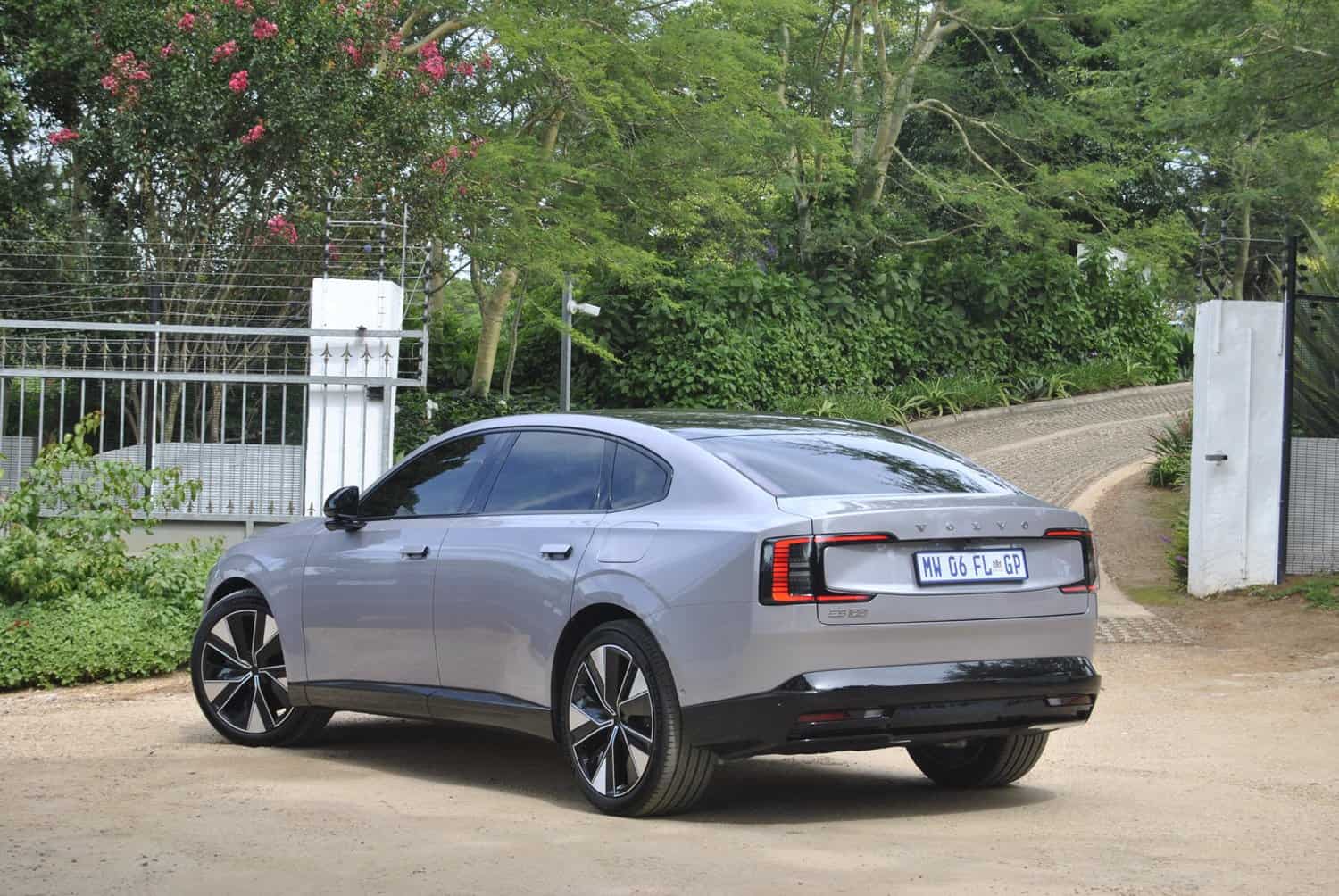
At the rear, C-shaped light cluster dominate in a further yet indirect nod to the S60 and, from some angles, the Rolls-Royce Spectre.
Of particular interest is the secondary illumination integrated into the D-pillar to create a stacked or vertical display similar to the EX30.
Practical
A styling execution pulled off in a stunning manner, the ES90 also doesn’t leave practicality to chance.
Due to the electric hardware being part of the chassis, opening the electric hatch reveals a flat floor capable of accommodating 446-litres.
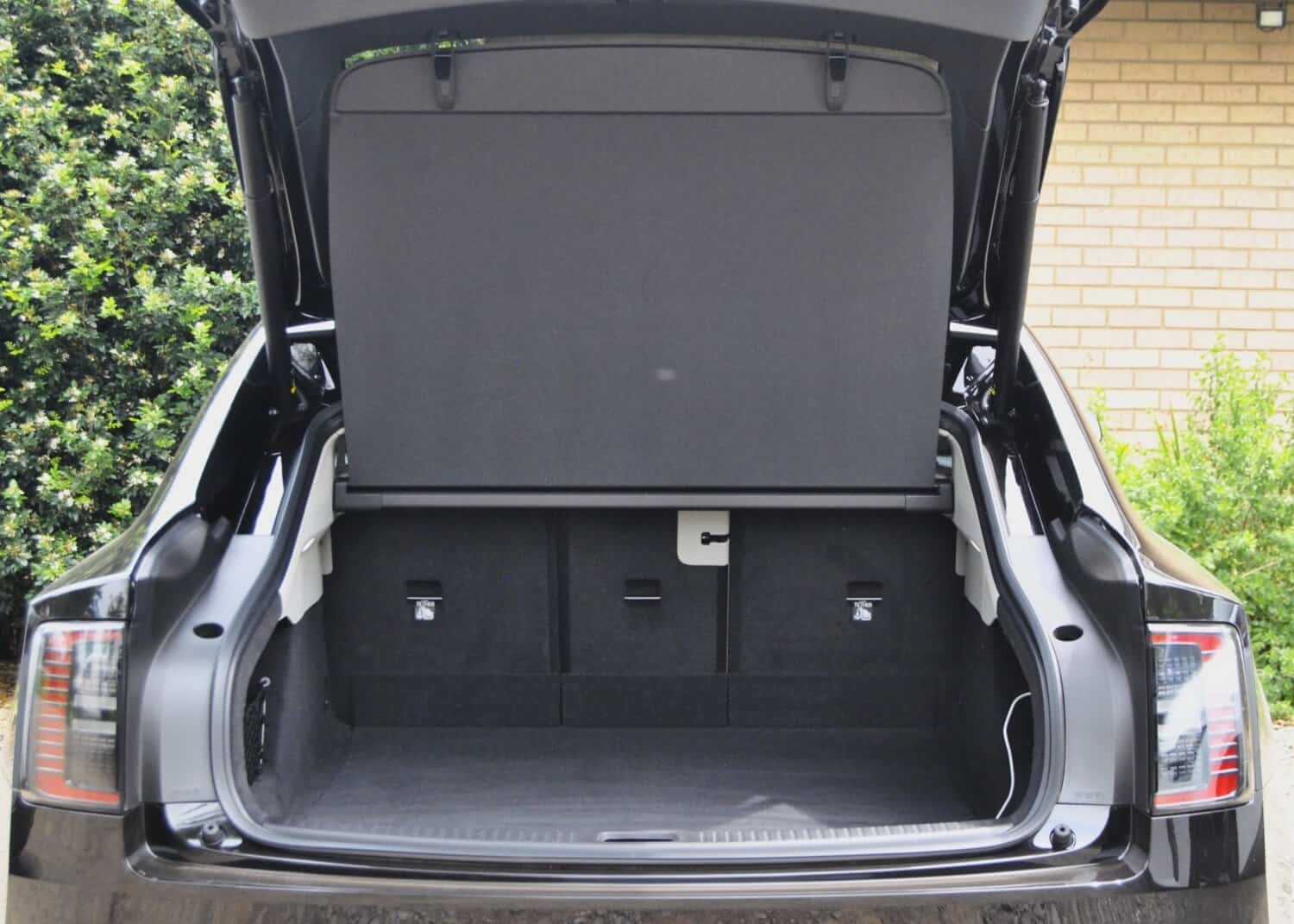
Dropping the rear seats forwards unlocks an SUV-rivalling 1 427-litres.
In a departure from the EX90, the pop-out door handles have been replaced by flush items that retract on the move.
Moving inside
Inside, the minimalistic design means all of the various functions reside within the 14.5-inch infotainment system. This also extends to the steering wheel and mirror adjustments.
While improved from that in the EX90, the lack of physical switchgear still frustrates as the system can become difficult and tricky to use.
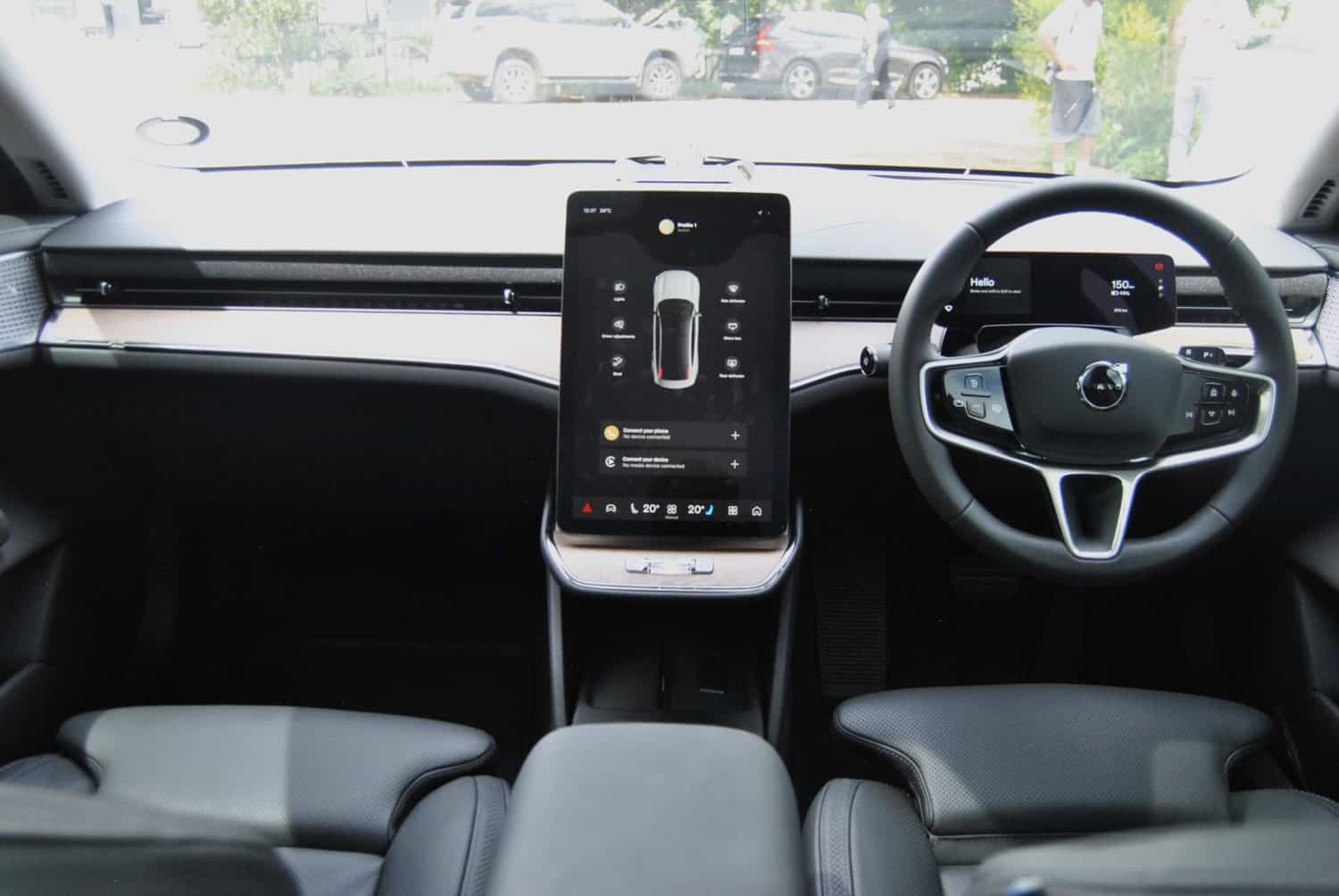
Helping to a degree on not taking one’s eyes of the road to monitor speed is the freestanding digital instrument cluster and the Head-Up Display only the Ultra has as standard.
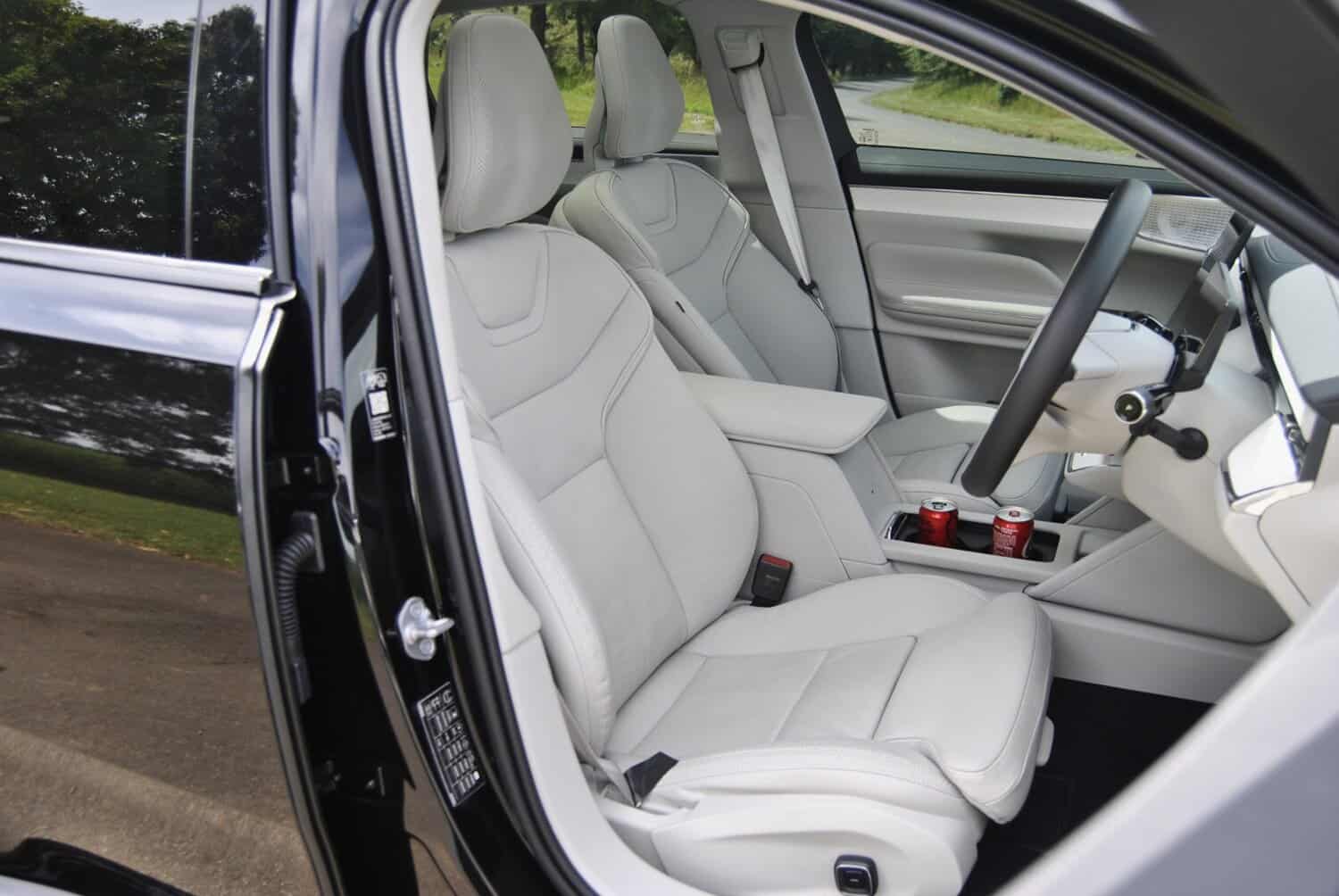
Despite the cheap feeling wood veneer trim, general fit-and-finish is premium and the materials of otherwise upmarket quality.
On top of this, several material and decorative inserts can be specified, including the first-time availability of real leather.
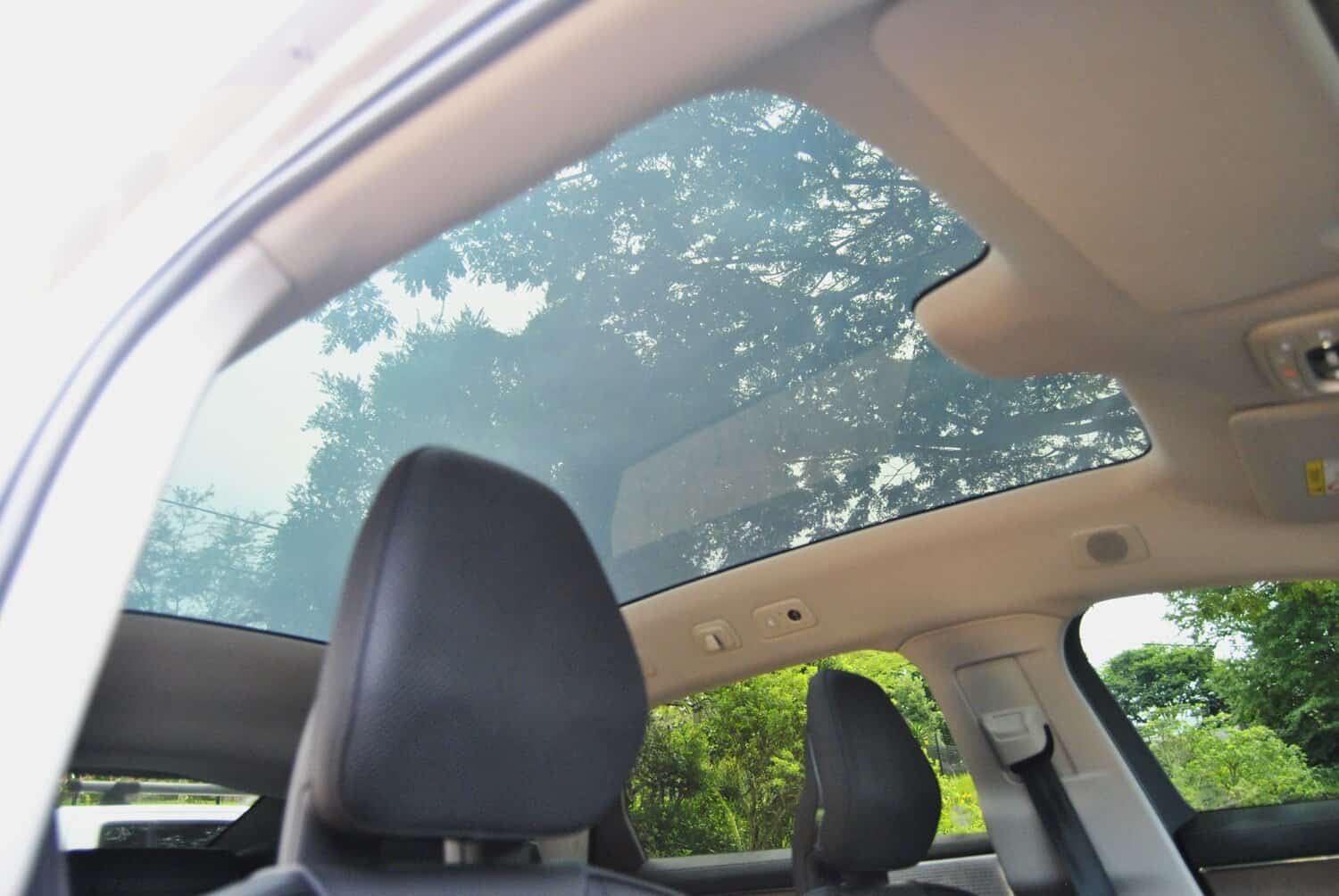
Another standard feature is a panoramic sunroof on all variants. As on the EX90, it comes standard with Polymer Dispersed Liquid Crystal or PDLC technology. This means it can change from clear to opaque using the display.
As an option, a traditional roof blind can also be fitted.
Comfort and spec
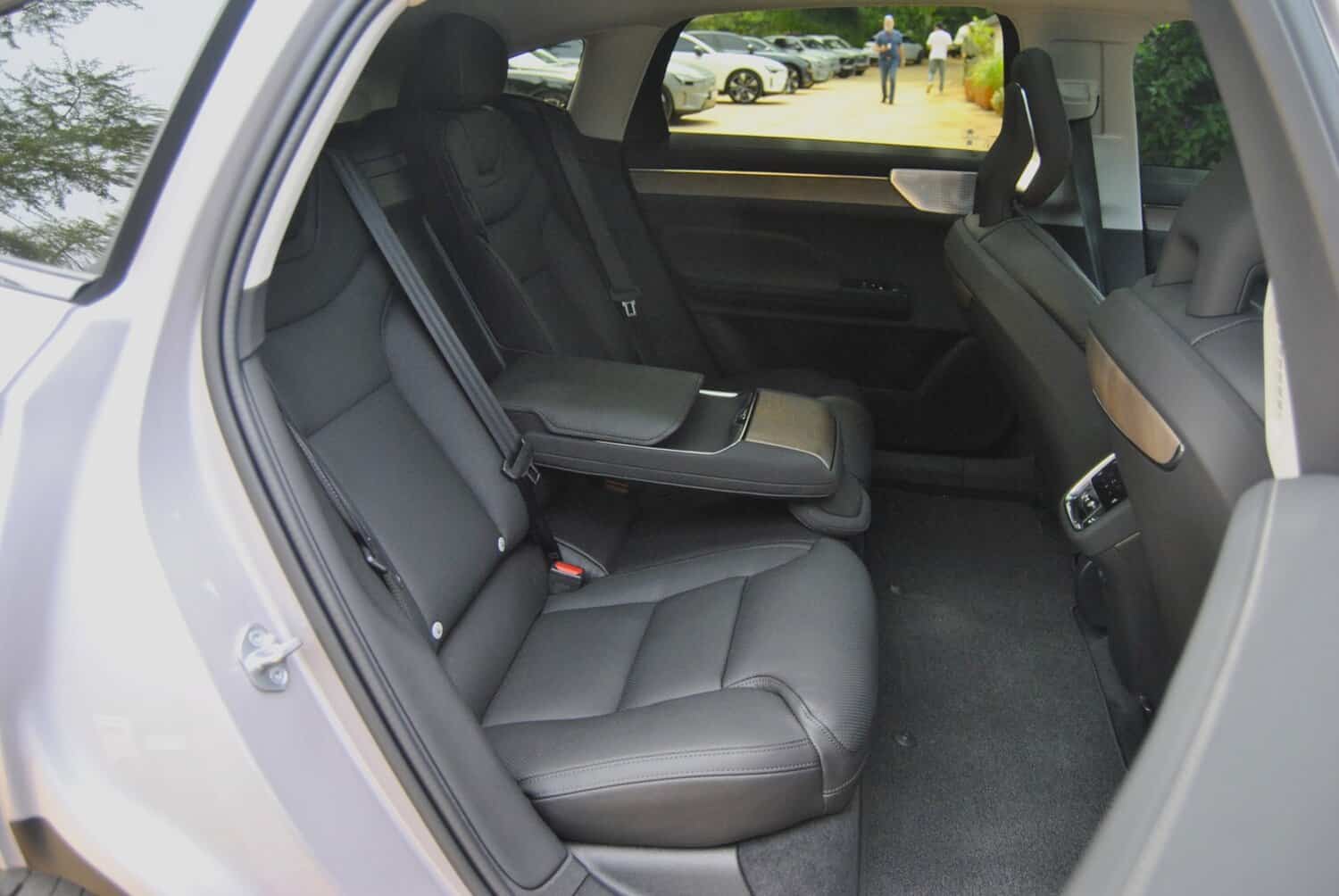
Given China being the ES90’s main target market, rear seat comfort and space is impressive, bolstered by the rear seats being electrically adjustable and with heating as well as ventilation functions.
On the specification front, the Ultra gets a massaging function for the front seats, a superb 25-speaker Bowers & Wilkins sound system and a surround-view camera system.
Heated and ventilated front seats, plus a full suite of safety and driver assistance systems, round out the Ultra.
Missing is the much vaunted LiDAR system that debuted on the EX90 following the bankruptcy filing by component maker, Luminar.
A move that resulted in Volvo severing its ties and suing the firm for breach of contract. It, however, added that the system will be eventually offered once a solution is found.
On the move
The ES90’s main trump card though is its dynamics. Varying from highways to twisty single-lane roads, the launch route also had poorly maintained sections laced with deep potholes and unidentifiable speed bumps.
On the Ultra, air suspension comes standard, which raises the ground clearance from 178 mm to 203 mm in the SUV-flavoured Off-road mode.
While the ES90 lacks a drive mode selector, it still feels spritely, eager and smooth, even for an EV.
Despite weighing over 2.4-tonnes, the handling is composed and throttle response instant.
Besides being extremely comfortable ride-wise, seat comfort is just as sorted, with the same applying to refinement.
Lacking any form of road or wind noise seeping into the cabin, the ES90’s steering is also undecidedly EV.
Being a sedan, the setup makes the ES90 feel nimble and confidence inspiring thanks to its impressive levels of feedback.
Conclusion
Arguably the closest in making an EV feel sporty, the Volvo ES90 is, by virtue, something of a surprise considering the combination of an EV sedan being anything but favoured in the local market.
A brave move given Volvo’s left-field appeal, the ES90 is unlikely to be a mainstream runaway hit. However, for those willing to take the chance, it will surprise in more ways than one.
Price
Included in the ES90’s sticker prices is a five-year/100 000 km maintenance plan, an eight-year/160 000 km battery warranty, three years of in-car data, two years of free public charging and the installation of a GridCars wallbox at the preferred place of charging.
- ES90 Core – R1 590 000
- ES90 Plus – R1 655 000
- ES90 Ultra – R1 795 000
NOW READ: Volvo approves three new models for 2025 and a surprise 2026 arrival
Support Local Journalism
Add The Citizen as a Preferred Source on Google and follow us on Google News to see more of our trusted reporting in Google News and Top Stories.

