Patients at Gauteng hospitals and clinics reported shortages of epilepsy, blood-clot and mental health medicine.
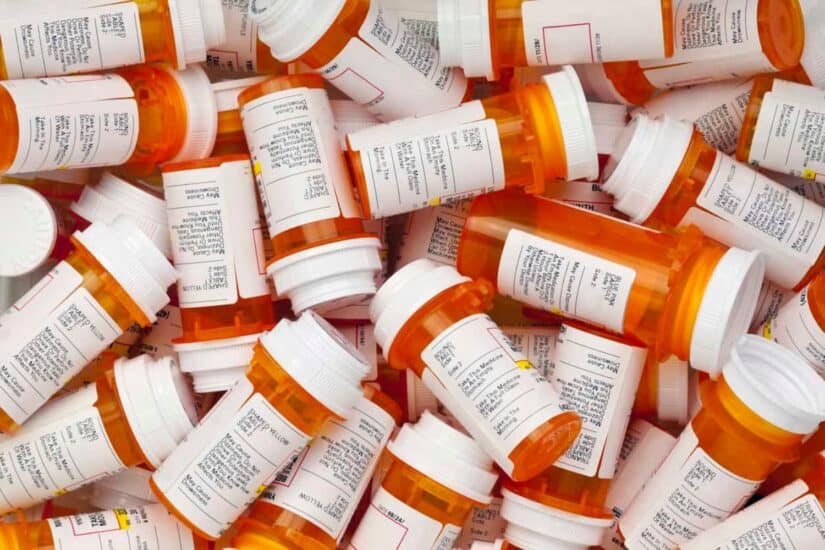
Picture: iStock


The Gauteng health department on Wednesday confirmed medicine supply challenges at public health facilities.
It, however, did not reveal which medicines were in shortage, how many patients had been affected, and from which hospitals.
Their response came a day after claims surfaced about patients at several hospitals and clinics going without chronic medication.
The department said it had systems in place to limit disruptions to treatment.
Gauteng Health admits medicine supply challenges
The department did not dispute that some medicines were hard to find.
“The Gauteng Department of Health acknowledges that there are supply challenges affecting the availability of some medicines at public health facilities across the province,” spokesperson Steve Mabona said.
He then listed what the department believed was behind the problems.
“These challenges are influenced by several factors, including changes in medicine contracts, supplier delays, procurement lead times, limited supplier participation and broader pharmaceutical supply-chain pressures.”
DA claims patients went without treatment
The DA’s Gauteng spokesperson for health, Madeleine Hicklin, raised the alarm on Tuesday.
She said patients at several facilities were struggling to get their regular medicine.
“Patients at Steve Biko Academic Hospital, Charlotte Maxeke Johannesburg Academic Hospital, Nigel Clinic, Northmead Clinic, and other healthcare facilities are increasingly concerned because these facilities have been unable to provide their regular medication,” said Hicklin.
According to the DA, the shortages reportedly affected medicine for high blood pressure, blood clots, epilepsy, and bipolar disorder.
At Steve Biko Academic Hospital, a pensioner at risk of severe blood clots reportedly went at least two months without Xarelto.
“As a pensioner living on a social grant, she cannot afford the R2000.00 per month this medication costs at a regular pharmacy. She was recently told she had developed a blood clot in her leg, but she still cannot get the medication,” Hicklin claimed.
The DA also said Nigel Clinic had not supplied ADHD, anxiety, or autism medication for three months. Northmead Clinic reportedly faced a chronic shortage of epilepsy, anti-psychotic, and bipolar medicine, as well as some paediatric anti-retrovirals.
“Reports have come to the DA that at Charlotte Maxeke Johannesburg Academic Hospital, patients have reportedly struggled to access Simbicort, a medication used to manage chronic obstructive pulmonary disease (COPD), for months and have instead been given alternative treatments, including Turbuhaler or Tiores inhalation capsules,” said Hicklin.
She said the shortages were concerning, and warned of the risks of going without treatment.
“Going without medication for conditions such as epilepsy, hypertension, blood clots, and serious mental health conditions can put lives at risk, worsen existing conditions, and put even greater pressure on an already overstretched healthcare system,” said Hicklin.
Department says a missing brand does not mean no treatment
The department pushed back on the idea that patients were left with nothing.
It said a shortage of one product was different from a patient receiving no care.
“Furthermore, it is important to distinguish between the temporary unavailability of a particular brand, pack size or supplier’s product and the complete absence of treatment for a patient,” the department said.
It explained how substitutions worked.
“Patients may receive medicines from different approved manufacturers or in different packaging while the medicine remains the same in terms of its active ingredient, strength and therapeutic benefit,” the department said.
The department said its Medicine Availability and Escalation Protocol allowed for alternative pack sizes, strengths and clinically appropriate therapeutic alternatives.
These had to follow approved Standard Treatment Guidelines.
Health MEC Faith Mazibuko gave a similar answer in a written reply about Northmead Clinic.
She said substitutes were provided where stock ran short, and that stock was rotated between facilities and, where necessary, across districts.
How the department monitors and sources stock
The department said it tracked medicine levels through the Stock Visibility System.
It said this worked alongside the National Department of Health’s monitoring structures.
“Accordingly, the Department has established systems to continuously monitor medicine availability and identify potential supply challenges,” the department said.
Facilities and districts also pressed suppliers to speed up outstanding orders.
The department said it could go further when needed.
“As required, the Department may undertake buy-outs, meaning the sourcing of urgently needed medicines from another approved supplier, in line with Supply Chain Management processes,” the department said.
On the national side, the department said the National Department of Health tracked critical items through its Hot List.
It also used the National Surveillance Centre and the Improved Medicine Availability Team to tackle shortages.
DA demands an investigation
The DA on Tuesday was not satisfied with Mazibuko’s response.
Hicklin said the department needed to find out what had gone wrong.
“It should determine if these issues stem from insufficient funding, procurement failures, supply chain breakdowns, or poor stock management and distribution,” said Hicklin.
She said the shortages went beyond patient care and raised wider questions about the provincial government.
“These failures raise concerns about leadership, accountability, and the Gauteng Health Department’s ability to deliver reliable healthcare services across Gauteng under Premier Panyaza Lesufi’s administration,” said Hicklin.
Department promises continuity of care
The department said it understood how the shortages affected patients.
“The Department recognises that medicine shortages can cause anxiety and inconvenience for patients, particularly those who depend on chronic medication,” the department said.
It said it would keep working with national health officials, suppliers, districts, and facilities.
“We remain committed to ensuring continuity of care for patients who depend on chronic and other essential medicines,” the department said.