
The municipality said it would continue monitoring the leaseholder's progress in addressing the outstanding requirements.
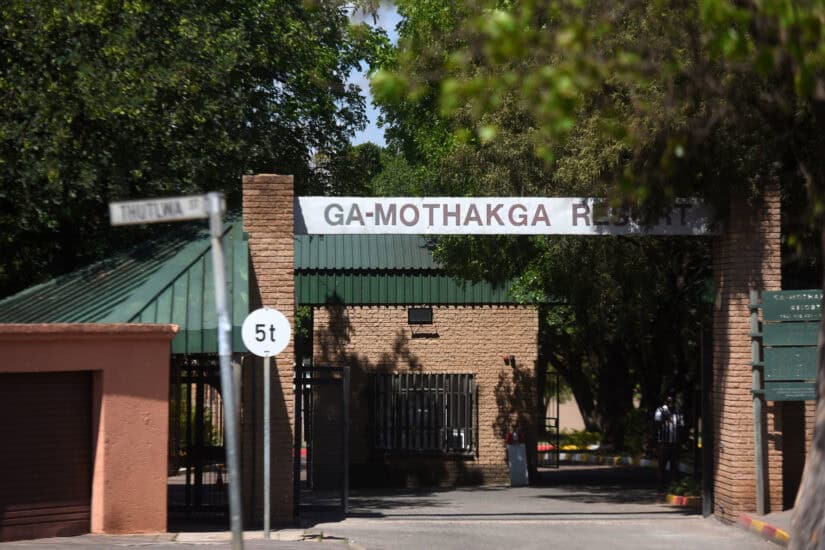
Vandalism of public facilities are a broader problem affecting Tshwane’s Ga-Mothakga recreation resort in Atteridgeville. Picture: Nigel Sibanda/The Citizen


Mpumalanga’s Thembisile Hani Local Municipality appears to be shifting responsibility for the KwaMhlanga abattoir’s prolonged failure to operate to its leaseholder, despite the facility being in municipal hands for years before the leaseholder took over.
Municipal manager Dumisani Mahlangu explained that the facility was constructed by the Nkangala District Municipality and donated to the municipality on 8 November 2007.
The project, envisaged as a 20-cattle-a-day abattoir that would also slaughter goats and designed as a local economic development project, has been non-operational for more than two decades.
Mahlangu has attributed the prolonged delay in opening the facility to outstanding improvements required from the leaseholder, veterinary compliance requirements and the process of obtaining environmental and other statutory approvals.
He said the municipality “unfortunately does not have the total [construction] cost at our disposal”
“Non-operation should not be attributed to its proximity to the wastewater treatment plant,” he said.
According to Mahlangu, veterinary authorities inspected the facility and made recommendations in 2016 on measures that needed to be addressed before operations could begin.
“The leaseholder has consequently been required to undertake the necessary improvements in accordance with these recommendations.
“In addition, the leaseholder was required to undertake an Environmental Impact Assessment (EIA) process and obtain the necessary environmental and other statutory approvals before the facility can be fully operationalised.
“The Environmental Authorisation was granted in 2021,” he explained.
What compliance requirements are outstanding?
Mahlangu, however, did not say which compliance requirements remain outstanding, whether the leaseholder has met its contractual obligations, or when the abattoir is expected to open.
The municipality said it would continue monitoring the leaseholder’s progress in addressing the outstanding requirements.
Mahlangu said their intention remained to ensure that the public facility was brought into productive use in compliance with all applicable legislative, environmental, veterinary, health, and safety requirements.
“The facility is intended to contribute to local economic development, support livestock farmers, and create opportunities for local businesses and employment.
“The municipality is committed to ensuring that the facility is utilised in a manner that complies with all applicable land-use, environmental, veterinary, public health, and other regulatory requirements,” he added.