
50 years later, and while pass laws are gone, the struggles women face still threaten to destroy them.
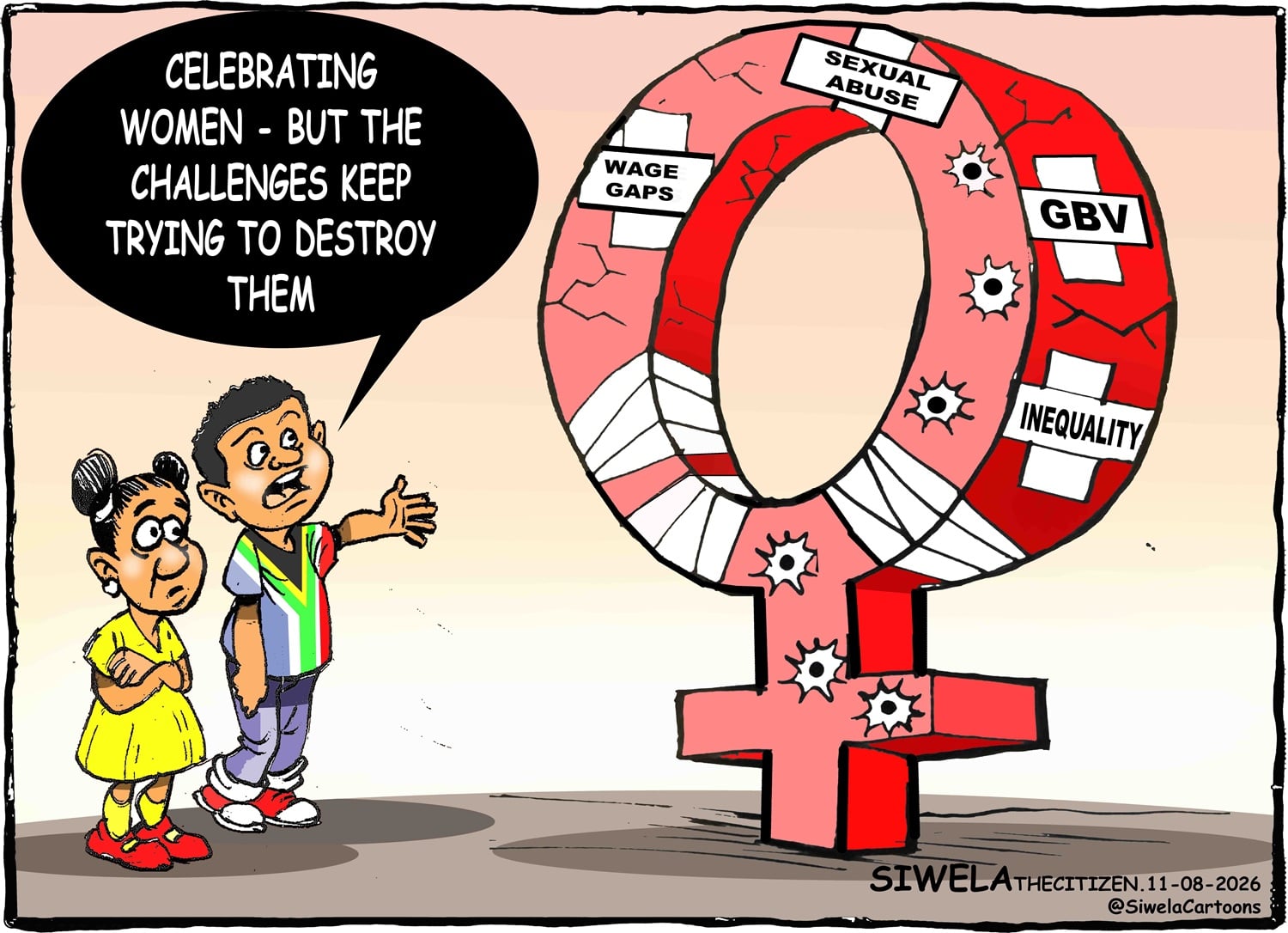


South Africa celebrated National Women’s Day this past weekend, but the challenges facing women in this country persist.
The holiday remembers the historic march of 20 000 women to the Union Buildings in Pretoria in 1956 in protest against apartheid pass laws.
50 years later, and while pass laws are gone, the struggles women face still threaten to destroy them.
Wage gaps and unemployment leave women economically threatened and fighting to put food on the table.
This while battling for their lives amid a gender-based violence and femicide pandemic.
Women not yet free
Ramaphosa acknowledged this in his Woman’s Day address.
“In 1956, women lived in fear of being arrested for not having a pass. Today, women live in fear of the gender-based violence that stalks them in the streets, even in their homes.
“That is why we classified gender-based violence and femicide as a national disaster.”
He said South Africa’s men must be part of the solution.
“We must prevent this violence, as we are doing, by working with young men, with the support of traditional, community and religious leaders.
“We need to steer men away from behaviours and mindsets that breed violence against women.
“We need to break the silence that renders us complicit in this crime.”
The president said those who “look away” from GBV are also guilty.
“The guilty include those who seek to condone or justify gender-based violence on the grounds of culture, religion or patriarchal social norms.”
There is no justification for the abuse of women, he said.
“Not how women dress or how they behave. Not because some favour is given. Not because they leave a relationship. Not because they are a junior employee. Not because they believe themselves equal to men.”
He said violence against women and children is a crime, “and we can no longer remain silent”.