
The pangolin was in poor health and died five days after being rescued..
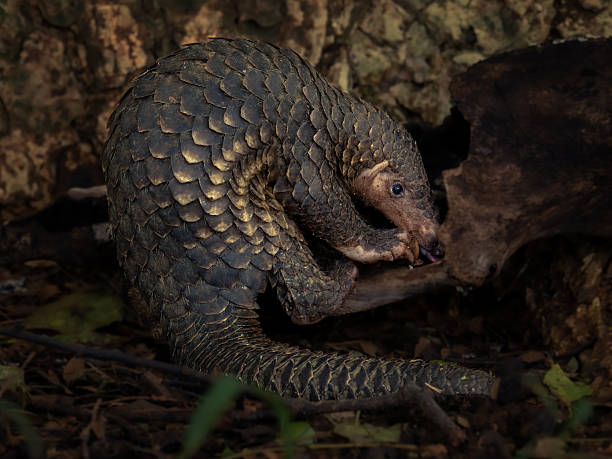
Picture: iStock


The Molopo Regional Court in Mahikeng this week sentenced two wildlife traffickers to eight years direct imprisonment for the illegal possession and trafficking of a pangolin.
The pangolin is one of the world’s most threatened and heavily trafficked species.
The North West department of economic development, environment, conservation and tourism welcomed this as a significant victory in the fight against wildlife crime and environmental exploitation in the North West province.
Four suspects
It said the case follows a successful multidisciplinary sting operation conducted on 2 June 2023 by the Directorate for Priority Crime Investigation (Hawks), the Crime Intelligence Unit and the Biodiversity Enforcement Unit of the department’s law enforcement authorities.
These task teams acted upon information about four suspects who travelled from Vryburg to Mahikeng with the intention of selling a live pangolin.
The suspects were then intercepted and arrested at a Caltex garage near Montshioa Stad, where a sub-adult female Temminck’s pangolin was rescued.
The accused appeared in the Molopo Magistrate’s Court on 5 June 2023, before the matter was transferred to the Regional Court later that year, once investigations had concluded.
‘Worst condition ever’
Charges were withdrawn against two suspects on Tuesday, 26 May 2026, while the other two were found guilty and sentenced to eight years’ direct imprisonment. The court also declared both suspects unfit to possess firearms.
The rescued pangolin was admitted to the Johannesburg Wildlife Veterinary Hospital for urgent treatment and rehabilitation. According to the department, veterinary experts described her condition as one of the worst ever encountered in a pangolin rescued from the illegal wildlife trade.
Tragic ending
Following further examination, it was tragically revealed that the rescued pangolin was pregnant.
Unfortunately, both the mother pangolin and her unborn offspring succumbed to their injuries, just five days after being rescued.
The department noted that the case highlighted the devastating impact of the illegal wildlife trade, which continues to threaten biodiversity, ecological balance and the survival of endangered species across the globe.
Vulnerable species
Pangolins are listed as a vulnerable species in South Africa’s Protected Species List and are protected under the National Environmental Management Biodiversity Act (Act 10 of 2004).
Section 57(1) of the Act prohibits any person from carrying out a restricted activity involving a listed threatened or protected species without a valid permit.
Pangolins have also been listed under Appendix I of the Convention on International Trade in Endangered Species of Wild Fauna and Flora (CITES), which prohibits international commercial trade in the species.
The South African CITES regulations further prohibit the possession, sale, display, or transportation of illegally acquired specimens.
Increasing incidents
Pangolins are primarily targeted for their scales, which are falsely believed to possess medicinal value in some traditional practices.
The department has identified an increasing number of incidents of pangolin poaching and illicit trade in the Ngaka Modiri Molema and Dr Ruth Segomotsi Mompati district municipalities.
This form of illegal trade is due to the district’s proximity to Botswana and the porosity of South Africa’s borders.
‘A serious offence’
MEC Bitsa Lenkopane acknowledged all parties involved in the capturing and sentencing of the traffickers and said it sends a strong message that wildlife crime is a serious offence with devastating environmental consequences.
“The commitment and perseverance demonstrated by investigators and environmental officials throughout this lengthy process reflect the importance of protecting our biodiversity and preserving endangered species for future generations,” said Lenkopane.
The department has further called on communities to work closely with law enforcement authorities to report suspicious activity linked to wildlife trafficking, illegal hunting and the unlawful possession or trade of protected species.