Political parties face growing pressure to ensure their post-election agreements reflect the needs of residents rather than their own ambitions.
 Elections 2026
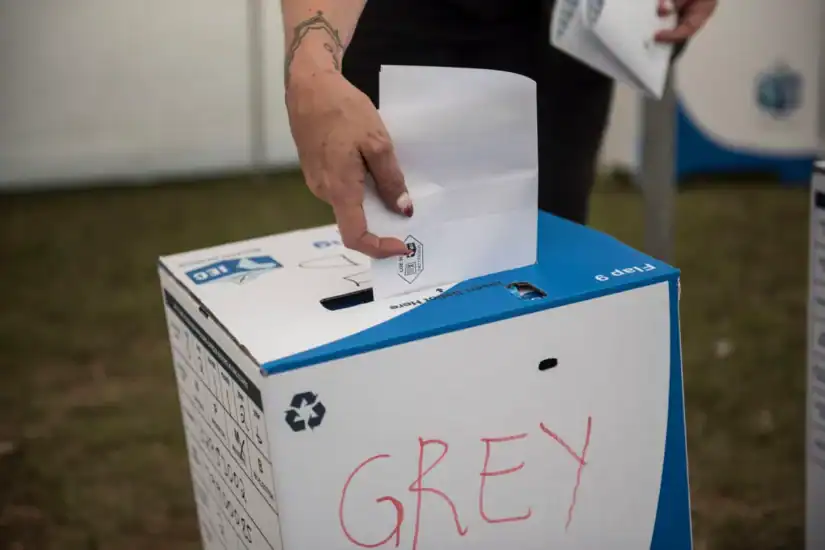
A voter casts her vote at a voting station in Pretoria East, 2 November 2026, during special voting before South Africa heads to the polls on Wednesday to elect councils for all district, metropolitan and local municipalities in each of the country’s nine provinces. Picture: Michel Bega/The Citizen


Regardless of whom South Africans voted for, coalition talks – still ongoing two weeks after the local elections – will determine which party will lead which metro in hung municipalities.
This alone can defeat the purpose of voting, especially when parties negotiate positions, share power and determine leadership through post-election agreements, said political analyst at North-West University Benjamin Rapanyane.
“Actually, that is exactly what promotes voter apathy.”

Get your results on
our Election Hub
Live results
Coalition negotiations could fuel voter apathy
Voters are once again reduced to spectators in their own democracy, said political analyst Rene Oosthuizen.
“South Africans cast their votes expecting their choices to matter, only for political parties to turn the outcome into another round of negotiations over positions, power and mayoral seats.
“The critical question remains: if parties can bargain away the people’s mandate behind closed doors, what is the point of casting a vote in the first place?”
Political analyst Piet Croucamp said a coalition is based on the support of any number of parties that can come together and reach a compromise and form a majority to represent the majority of the citizens in a particular municipality or metro.
“Some of the arrangements are elite arrangements while others could be opportunistic, However, they are still accountable to the voters until the next election.”
Fragmented election results create coalition challenges
The way parties engage in coalition building might have short-term advantages for them by excluding certain parties or demanding certain mayors, but could alienate voters who get tired of the game-playing, said analyst Daniel Silke.
“If parties do not get the required 50%, they have to enter into coalition negotiations,” he said.
You could have an alternative electoral system that prevents this kind by having second rounds of voting until a party gets over 50%.
“If voters are fragmented with their votes, they frankly get a fragmented result, leading to horse-trading, vendettas and disgruntlement, instead of serving the interests of the voters.
“People voted for service delivery. They didn’t vote for disgruntlement and grievance politics.
“Voters need to put pressure on the parties to do the kind of deals that will be beneficial for voters and not beneficial to the parties participating.”
Voters must hold parties accountable.
“They have done so by rejecting the ANC, but they need to pressure their parties to put them on the right track,” said Silke