The City of Joburg already has a housing crisis, and now it has to find alternative accommodations for occupants of hijacked buildings.
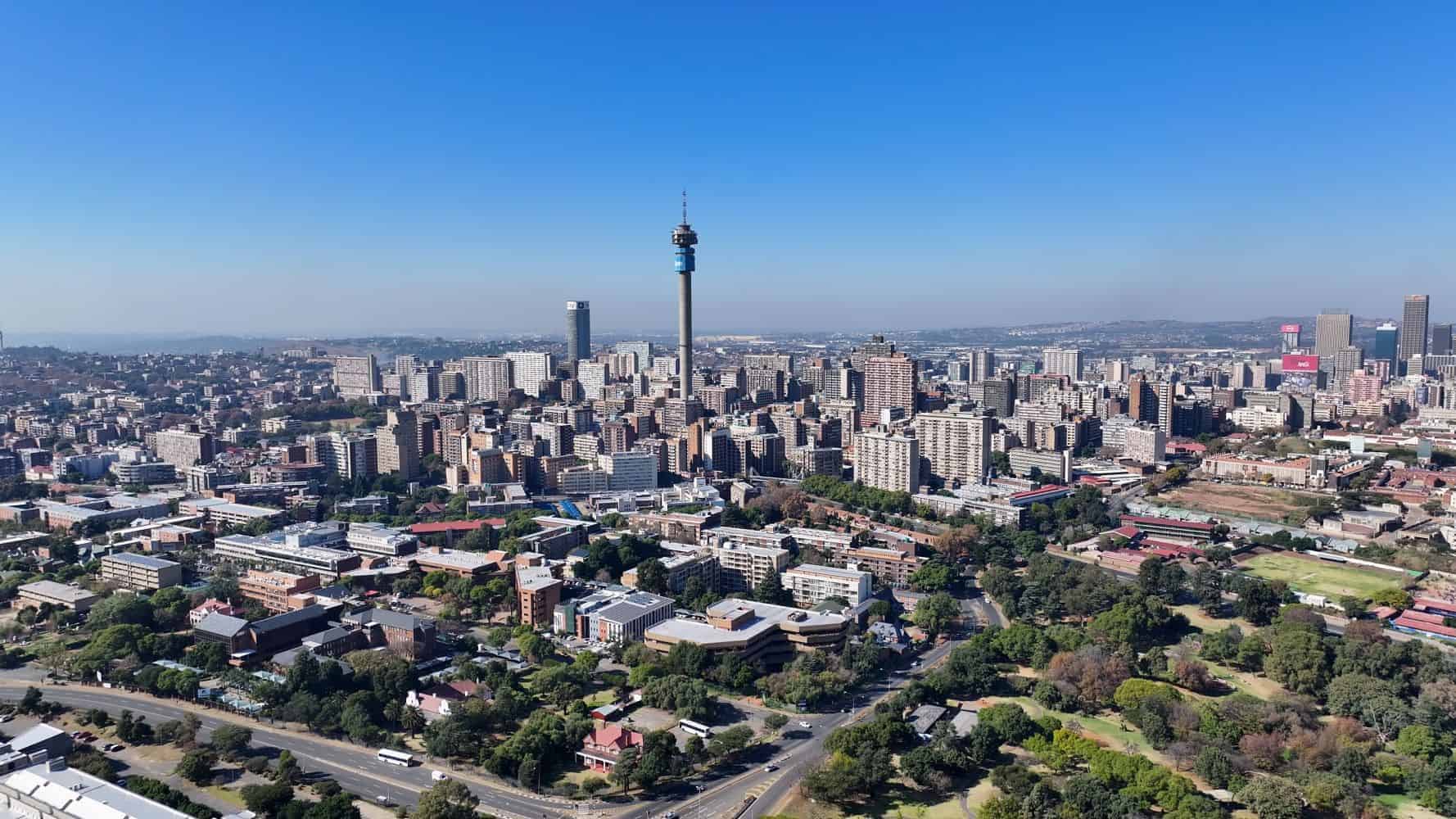
City of Johannesburg: Picture: iStock


The DA in Johannesburg says the city faces many challenges regarding hijacked buildings, including finding alternative accommodation for their occupants.
These remarks come at a time when political parties are preparing for the 2026 local government elections and are trying to come up with the best solutions for reclaiming the inner city.
“One of the city’s most critical failures remains the absence of temporary emergency accommodation, which the city is constitutionally obliged to provide.
“This responsibility rests primarily with [the Department of] Human Settlements, but it requires the coordinated involvement of all relevant departments,” said DA caucus leader Belinda Kayser-Echeozonjoku.
ALSO READ: Former mayor explains why Joburg CBD is a mess – and how the ANC should fix it
How to reclaim the inner city
Kayser-Echeozonjoku said the fight for a safe and functional inner city cannot be won in silos.
“Law enforcement powers are spread across multiple departments, and only an integrated approach can be effective.
“The challenges facing the Johannesburg CBD are not isolated. The JPC [Joburg Property Company] has allowed city-owned buildings to deteriorate through years of neglect, lack of maintenance and absence of security, resulting in unlawful occupations.
“At the same time, other CBDs across Johannesburg cannot be ignored or left to decline through unmanaged urban sprawl,” she said.
ALSO READ: ANC, EFF, ActionSA squabble over who messed up Johannesburg CBD
Kayser-Echeozonjoku said the metro must urgently deal with the rising number of homeless people in the city.
“The DA had a clear plan to re-energise the inner city in 2016, before the then DA mayor resigned from the DA and as mayor to form his own political party and handed the city back to the ANC.
“We remain committed to revitalising the inner city and all CBDs across Johannesburg. When Helen Zille becomes mayor in 2026 with an outright majority, Johannesburg will once again be turned around, as it was when she assumed office in 2006,” she said.
Problems with alternative accommodation
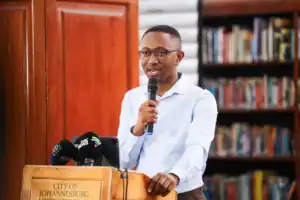
Meanwhile, in an interview with the SABC earlier this week, City of Joburg MMC for public safety, Mgcini Tshwaku, also admitted that finding alternative accommodation for the occupants of hijacked buildings has become a challenge for the metro.
“The [one] problem in the city is to give people alternative accommodation; that is the problem, and the second problem is that we cannot find the owners of these buildings.
“I can tell you now, providing alternative accommodation, it can take 20 years or so, it might not even happen,” he said.
Tshwaku said the city has received backlash from communities when it tried to relocate people from hijacked buildings into communities across Johannesburg.
“We came up with tents; we pitched them at Orange Farm. Once we started doing that, the community said, ‘Never. You are bringing us thugs and criminals here. We do not want you.’ We were chased there with stones,” he said.
Tshwaku said the city faced similar challenges when it tried to relocate residents of hijacked buildings to city-owned flats in Fleurhof on the West Rand.
Mashaba weighs in
Earlier this week, ActionSA leader Herman Mashaba said he opposes the city negotiating with residents of hijacked buildings and allowing them to pay rates to the city.
Criminal activities often take place in some of these buildings, including human trafficking, prostitution and the harbouring of illegal immigrants.
When Tshwaku raided one of the hijacked buildings in the CBD, they found an illegal butchery operating in the building, with some chickens being farmed there. They also found chemicals being manufactured in the building.
It is believed that more than 100 buildings in Johannesburg have been hijacked.
NOW READ: City of Joburg denies cutting Luthuli House electricity over nonpayment