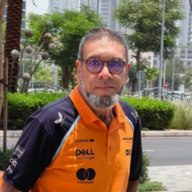
Magosi highlighted encouraging progress in energy generation, digital connectivity and agricultural recovery.
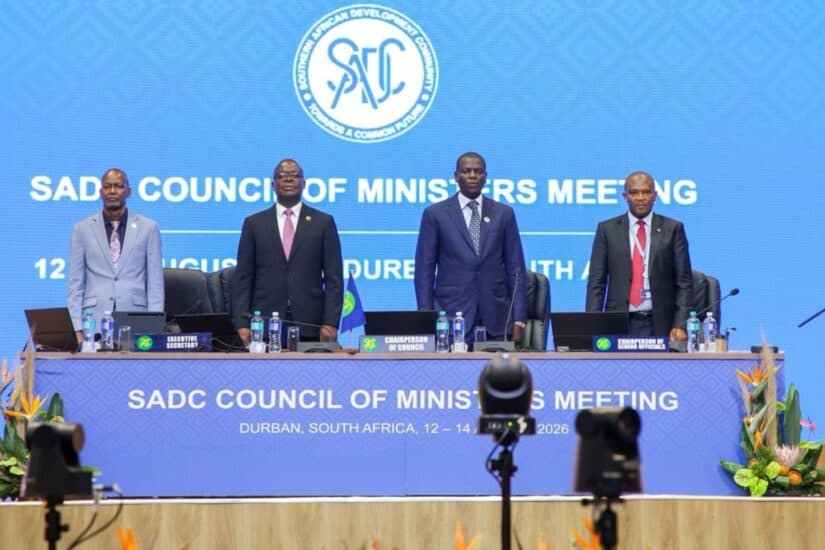
SADC Executive Secretary Elias Magosi has urged Southern Africa to confront mounting global instability with unity and resolve. Picture: Dirco.


SADC Executive Secretary Elias Magosi has urged Southern Africa to confront mounting global instability with unity and resolve, warning that the region’s future will depend on deeper trust, stronger cooperation, and decisive investment in resilience.
Magosi was opening the Ordinary Meeting of the SADC Council of Ministers in Durban on Wednesday, 12 August 2026.
The meeting serves as the primary preparatory and operational body ahead of the 46th SADC Summit of Heads of State and Government scheduled for 16-17 August 2026.
Lamola praised
Magosi praised South Africa’s interim leadership under International Relations Minister Ronald Lamola, who has steered the bloc through a period of transition.
“Under his guidance, we have continued with the work of the region, advancing key priorities including peace, security and migration,” Magosi said.
Energy generation
The Executive Secretary highlighted encouraging progress in energy generation, digital connectivity, and agricultural recovery.
The region added more than 4 800 megawatts of new generation capacity in the past year, while internet penetration rose to 57.2 per cent and mobile penetration exceeded 95 per cent.
Agricultural growth rebounded to between 2 and 3 per cent, with food insecurity reduced by 16 percent.
“These gains provide an important foundation for overcoming longstanding constraints,” Magosi noted.
Yet he cautioned that climate shocks, ageing infrastructure and underfunded innovation threaten to stall integration.
“Our success cannot be measured solely by megawatts generated or trade balances. It must also be measured by the number of households, schools, health facilities and businesses that gain access to reliable electricity and services,” he said.
Climate shocks
Magosi stressed the need to shift from reactive disaster responses to proactive resilience.
“We must move from reacting to disasters to investing in resilience through strengthened early warning systems, climate‑resilient infrastructure, and anticipatory planning,” he told ministers.
He pointed to forecasts of a severe El Niño event in 2026/27 as a looming test for the region’s preparedness.
“Earlier this year, devastating floods claimed lives, damaged critical infrastructure, displaced communities and disrupted trade across parts of our region,” he added, underscoring the urgency of action.
Innovation
Magosi also underscored the importance of youth‑driven agribusiness and innovation.
“Our young people are not merely beneficiaries; they are innovators, entrepreneurs and future custodians of our food systems,” he said, urging governments to integrate youth priorities into agricultural investment plans.
SADC commitment
On governance, Magosi reaffirmed SADC’s commitment to peace and democracy and welcomed Zambia’s general elections scheduled for 13 August.
“We stand in solidarity with Zambia and remain confident that the elections will strengthen peace, unity and stability,” he said.
Concluding, Magosi reminded ministers that integration is ultimately about improving lives.
“Regional integration is about people, about creating opportunities, strengthening connections, and improving the quality of life for our citizens,” he declared.