



A child in the dock for being linked to sexual exploitation network shows that the risks of the internet are lurking in plain sight - experts
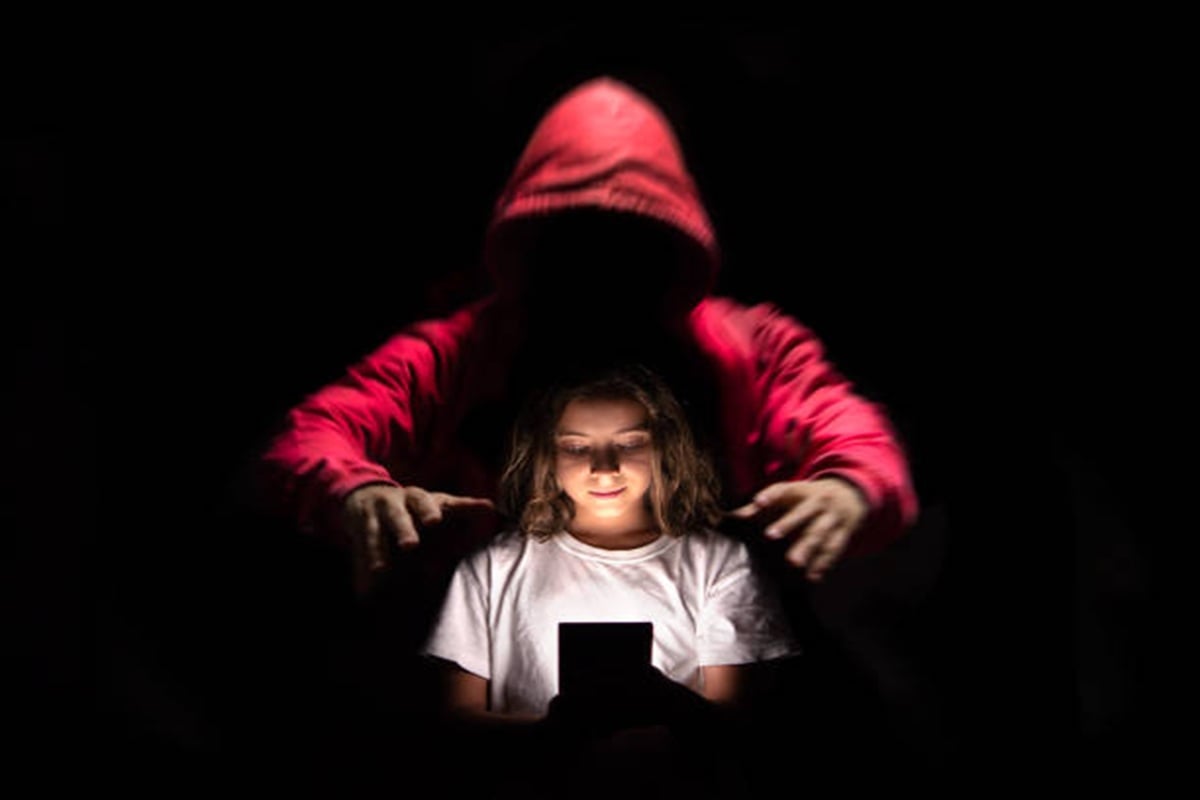
Picture: iStock


The Malmesbury 16-year-old teenager allegedly linked to an international child sexual exploitation network is expected to appear in court on Thursday.
The unsettling details of this case are sounding alarms about how children can get manipulated online and how out-of-touch adults are with what kids do on the internet.
A child in the dock and the online crisis we can’t keep ignoring
The case has understandably provoked shock. But child-protection and mental-health specialists warn that the answer is not to treat online harm as something detached from ordinary life, or to assume that only ‘bad’ children are drawn into dangerous online spaces.
“The digital world is now part of a child’s real world,” says Dr Shaheda Omar of the Teddy Bear Foundation. “Harm that begins behind a screen can have very real psychological, sexual, social and even physical consequences.”
That distinction matters in a case involving a child. The Malmesbury matter has been linked to concerns about the online network known as 764, a decentralised and predatory online milieu associated internationally with grooming, coercion and the circulation of violent or exploitative material.
The bait
Omar says grooming does not usually begin with an overt sexual offer, threat or act of violence. It may start with attention, friendship, gaming, praise, gifts or the feeling that someone online truly understands a young person.
After building trust, predators gradually push boundaries with secret or explicit demands and use threats or blackmail to force control, ultimately drawing them into extreme communities that normalise violence.
“A child does not have to meet an offender physically for serious harm to occur,” Omar says. A child can be manipulated, sexually exploited, threatened or coerced entirely online.
Professor Christopher Paul Szabo, emeritus professor in the Department of Psychiatry at the University of the Witwatersrand, says exposure to violent, sexual or exploitative material can negatively affect both emotional wellbeing and behaviour.
He explains that seeing this content over and over makes extreme behaviour feel normal, which can lead them to act out with less care for others and a twisted sense of right and wrong.
This does not mean exposure alone causes serious offending. Most teenagers who encounter disturbing online material will not commit violence or exploit others, Szabo reiterated.
But repeated exposure, combined with vulnerability, isolation, poor supervision and an online group that rewards escalation, can create a dangerous environment, he said.
Omar says a particular warning sign is a child becoming involved in an online community that demands secrecy or gradually pushes them toward increasingly extreme content or behaviour.
Why teenagers are easy targets
Omar said that adolescents are testing where they fit in, whose approval matters and what kind of person they want to become.
That can make messages like these from an online stranger or group unusually powerful: ‘I understand you when nobody else does’; ‘You can trust me’; ‘This is our secret’; ‘Everyone here does it’; ‘If you leave, I will expose you’
Szabo says adolescents naturally become more engaged with peers beyond the family. In a healthy setting, that is part of growing up. But online communities can offer acknowledgement, affiliation and a sense of belonging to a young person who feels unseen or disconnected at home or school.
Getting checked
When a child is accused of serious conduct, the instinctive public response is often punitive. But experts argue that accountability and assessment are not opposites.
“We have to hold two truths at the same time,” Omar says. “If a child has committed a serious offence, there must be accountability and protection of potential victims. But we must also remember that a child who causes serious harm is still a child.”
The teenager had been referred for a mental evaluation at Valkenberg Psychiatric Hospital after his first court appearance.
Szabo says: “A proper assessment should examine the young person’s longitudinal history, family circumstances and mental state at the time of the alleged conduct.”
It should also consider whether a psychiatric condition may have contributed to or helped explain the behaviour.
This is not about excusing harm, emphasised Omar. It is about ensuring the response can prevent further harm.
The protection gap
Associate at The Digital Law Company Monet du Plessis says one persistent misconception is that sextortion and exploitative communities exist only on obscure corners of the dark web.
They do not.
The risks can emerge on platforms familiar to families, including Roblox, Snapchat, Discord and WhatsApp – spaces parents take for granted because their accessibility creates a false sense of safety.
“The frightening part is that it is more accessible than people think,” Du Plessis says.
Her warning comes as Meta agreed on Wednesday to a proposed US settlement worth up to about $16.68 billion over claims relating to harms to children. The agreement includes measures such as default time limits for under-18s, nighttime restrictions, stronger age-assurance measures and expanded parental controls for Facebook and Instagram users in the United States.
For South Africa, the immediate lesson is not that parents can outsource protection to technology companies. Du Plessis argues that platforms need more rigorous age verification and enforcement, while parents must take active steps such as using device-level screen-time controls and knowing which apps and communities their children use.
‘Conversation is protection’
Experts say changes from a child’s usual behaviour should be explored rather than dismissed as ‘teens will be teens.’
“Conversation is protection,” Omar says. Monitoring matters, but it is not enough. Children need to know they can tell an adult about something sexual, frightening or embarrassing without automatically being blamed for encountering it.
There is no longer an online child and an offline child. There is simply a child and the risks follow them wherever they go.



