


'It is a busy life!,' says the former PSL and SAFA CEO.
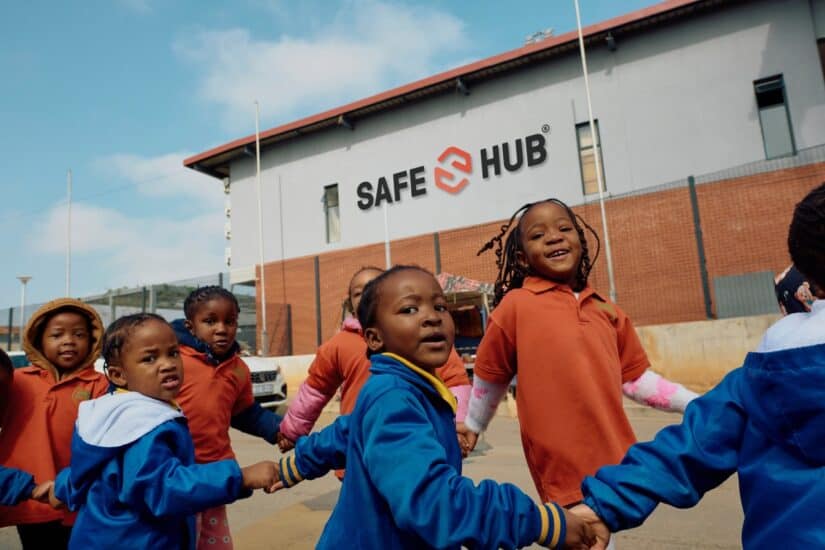
Youngsters at the Safe-Hub DLAB in Alexandra. Picture : Supplied


South African football fans will no doubt remember Dr Robin Petersen from his time as Premier Soccer League (PSL) and South African Football Association (SAFA) Chief Executive Officer.
What they may not know is that Petersen has stayed passionately involved in the beautiful game in South Africa, particularly in youth development.
As the Global Director of Business Development for Safe-Hub, the 69-year-old is tasked with raising money for an organisation focused on helping youngsters and communities in regions affected by inequality.
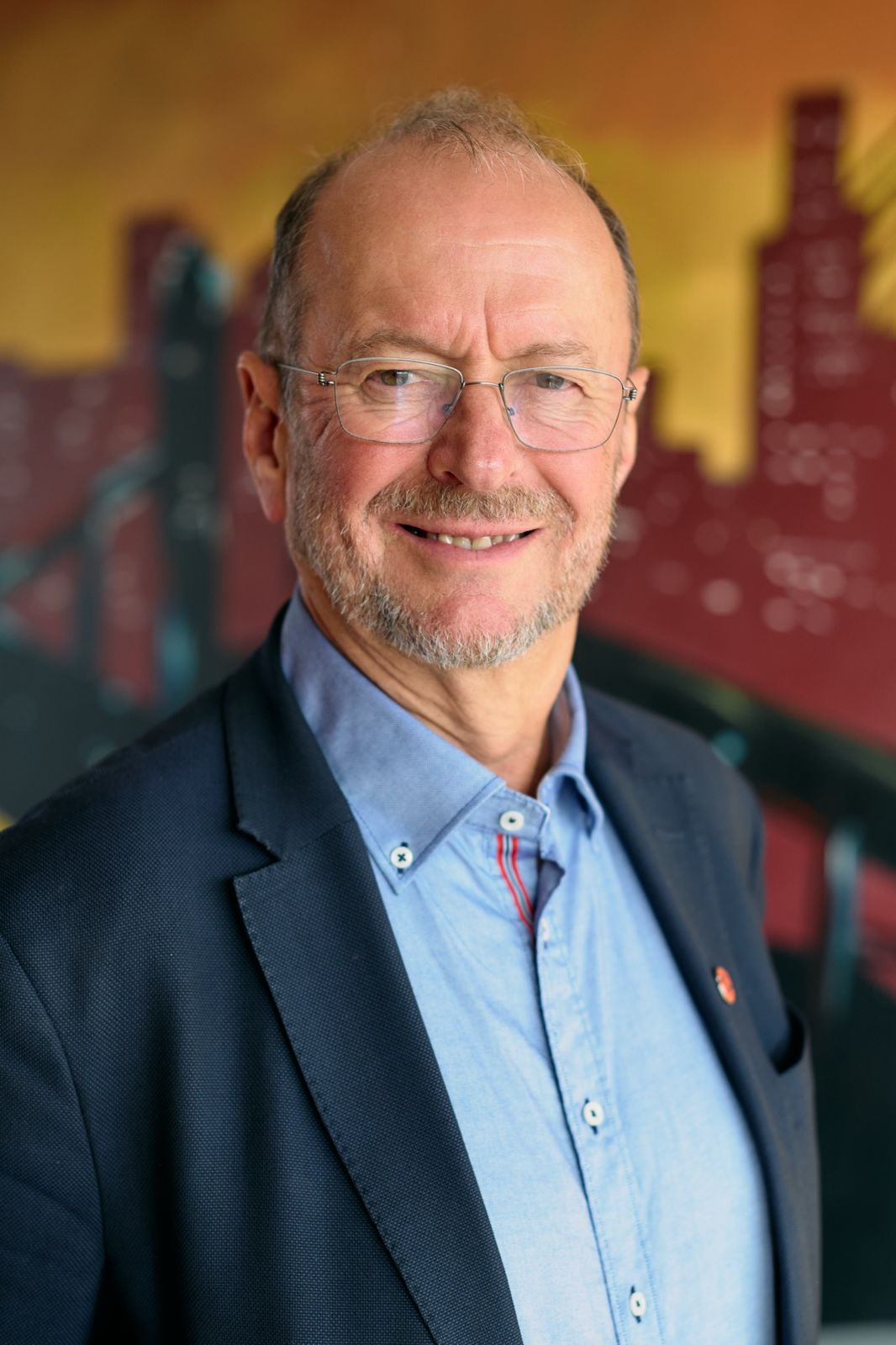
Dr Robin Petersen
Petersen’s involvement with Safe-Hub goes right back to when he was still with SAFA. After leaving his position as CEO in 2012 he was tasked with setting up the SAFA Development Agency.
“In that period, through situations at a local level I got stories about problems between NGOs (Non-governmental Organisations) and Local Football Associations (LFAs),” he says.
“In 2014 I called a conference of all these sports-based NGOs, a whole range of them across the country, to talk about what our goal was at SAFA and the Development Agency, and to hear what they were doing.
“They all challenged me to come and see. So I did a trip around the country and probably visited 15 projects. The last site was Khayelitsha and that was Safe-Hub. It had been going since 2009 and was run by an NPO called AMANDLA Social Enterprises. When I saw Safe-Hub in Khayelitsha it completely blew me away.”
Safe-Hub’s Origins
Safe-Hub was founded in Khayelitsha by a young German called Florian Zech.
“He came out from Germany after high school and did one year of volunteer work where he lived in Khayelitsha and worked in a children’s home,” says Petersen.
“He decided not to go back to Germany, he had a world of opportunity but the friends he met in Khayelitsha didn’t have that sense of opportunity and he wanted to stay and make a difference.”
From that first project in Khayelitsha, Safe-Hub has now expanded to 16 sites across South Africa.
“Four of those are still under construction and another four are planned and another five beyond that we know are in the pipeline,” adds Petersen.
“The goal is to get 25 fully funded and fully built by 2030 in South Africa.”
Safe-Hub has also now gone global, with sites in Philadelphia, Berlin, Delhi and Abidjan, all working in underserved communities.
“It is a busy life!” says Petersen.
The vision of Safe-Hub is summed up in one sentence – “A world where every young person realises their potential”.
More than just sports
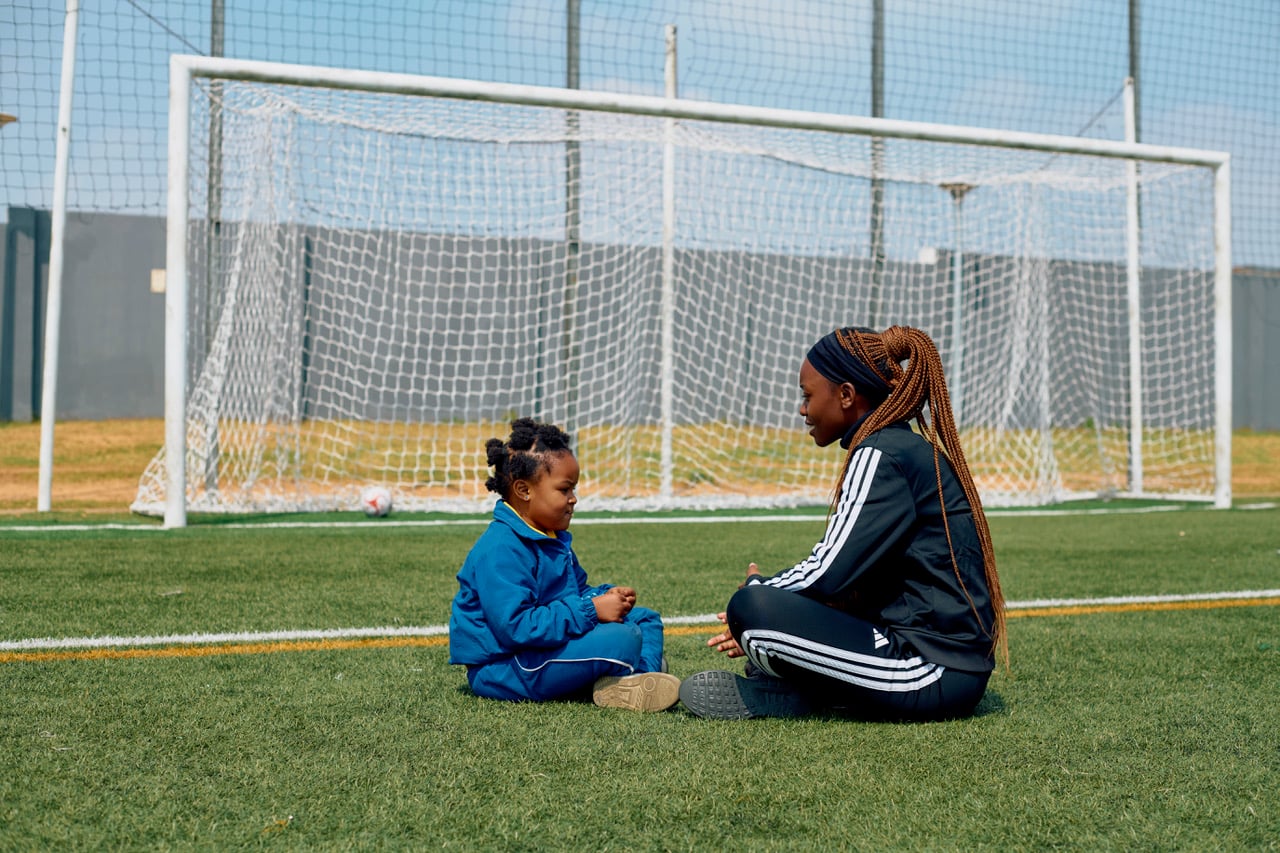
At every site – From Khayelitsha to Alexandria to Soweto to Berlin – they build artificial turf football pitches. But the project is about far more than just getting youngsters to play sports. From three years old to adulthood there is a programme in place to provide guidance and assistance to those who sign up.
A visit to the Safe-Hub DLAB in Alex gives some idea of what that involves. There are the football pitches, which are a hive of activity every weekend.
But there are also digital labs for people to learn computer skills and areas where youngsters can get help in applying for jobs. There are even small businesses on site that are allowed a space to start up before expanding into the community.
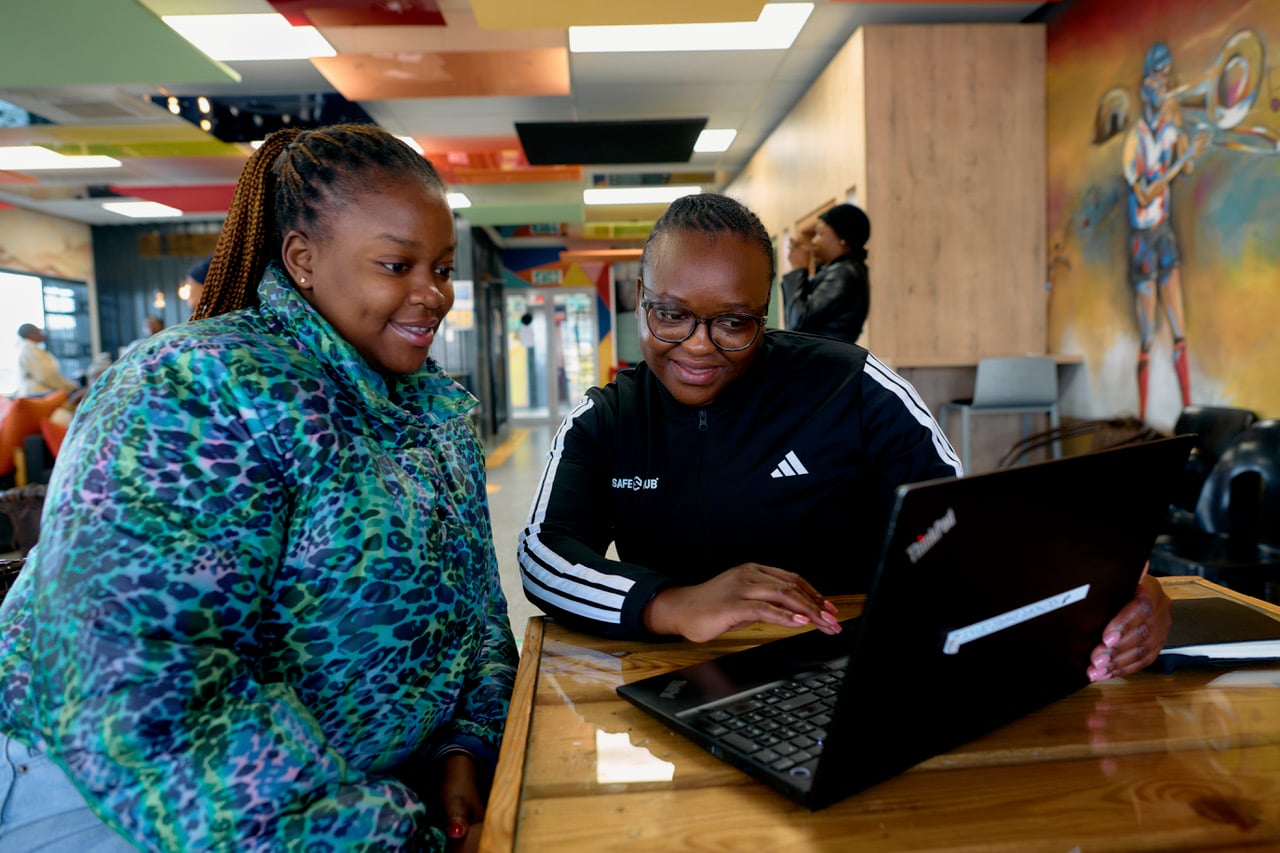
The DLAB part of the name speaks to the partnership they have on eight of their sites with the Development Bank of Southern Africa. This partnership has been critical to the programme’s expansion and has trialled an innovative funding method in which the DBSA loan is serviced by monetised social impact returns.
“We have to meet a whole set of impact outcomes,” says Petersen, “including youth training and employment, health, ECD (Early Childhood Development) support, after-school programming, and so on. A monetary value is put to that, and this return is reported to the DBSA and audited by the Auditor General.”
Coming up with different innovative ways to bring in funding seems to be at the heart of Petersen’s role.
The Safe-Hub team pioneered the building of call centres in townships to offer direct routes to employment for Safe-Hub graduates within their communities.
“We had the call centre in Alex built from a capital grant, and it has been an incredible success,” explains Petersen.
“We have been able to create incredible pathways to employment through that and the revenue makes us self-sustaining. The Jabulani and Alex Safe-Hubs are pretty much self-sustaining through the revenue from the call centres and other local economic activities.”
Local government involvement
Local government has also got involved in helping Safe-Hub.
“We have established a very good working relationship with the municipalities where we work. The City of Joburg built the big Safe-Hub in Jabulani with money from National Treasury, and then also built the Alex Safe-Hub through the JDA. Totalsports put in the money to build the pitch (in Alex),” adds Petersen.
SAFA remains involved, but now only at the local level. Initially, through the Development Agency, they were involved nationally, with Safe-Hub founder Zech even moving up from Cape Town to work with Petersen at SAFA House.
But SAFA shut down their Development Agency in 2018, which led to Petersen working for Safe-Hub on a part-time, and now full-time basis.
Still, there are obviously benefits to working somewhat independently of the association.
“SAFA is a highly political organisation,” says Petersen.
“As the CEO you are having to deal with the politics of the organisation, which you don’t manage and that is a really difficult space to be in.
“Does the CEO run it? Does the president (of SAFA) run it? This is a big challenge. It should be the CEO but the president usually has a large say and that has consequences that are challenging.
“It is so much easier in an organisation like this. They have a strong governance culture and because we get audited by the Auditor-General their reporting and everything is very good.”
Petersen had plenty of tough moments to deal with in his time as both PSL and SAFA CEO. At the PSL, there was the Ellis Park tragedy of 2001, an event which still haunts him to this day.
At SAFA, there was nothing so heartbreaking.
‘The debacle at Mbombela’
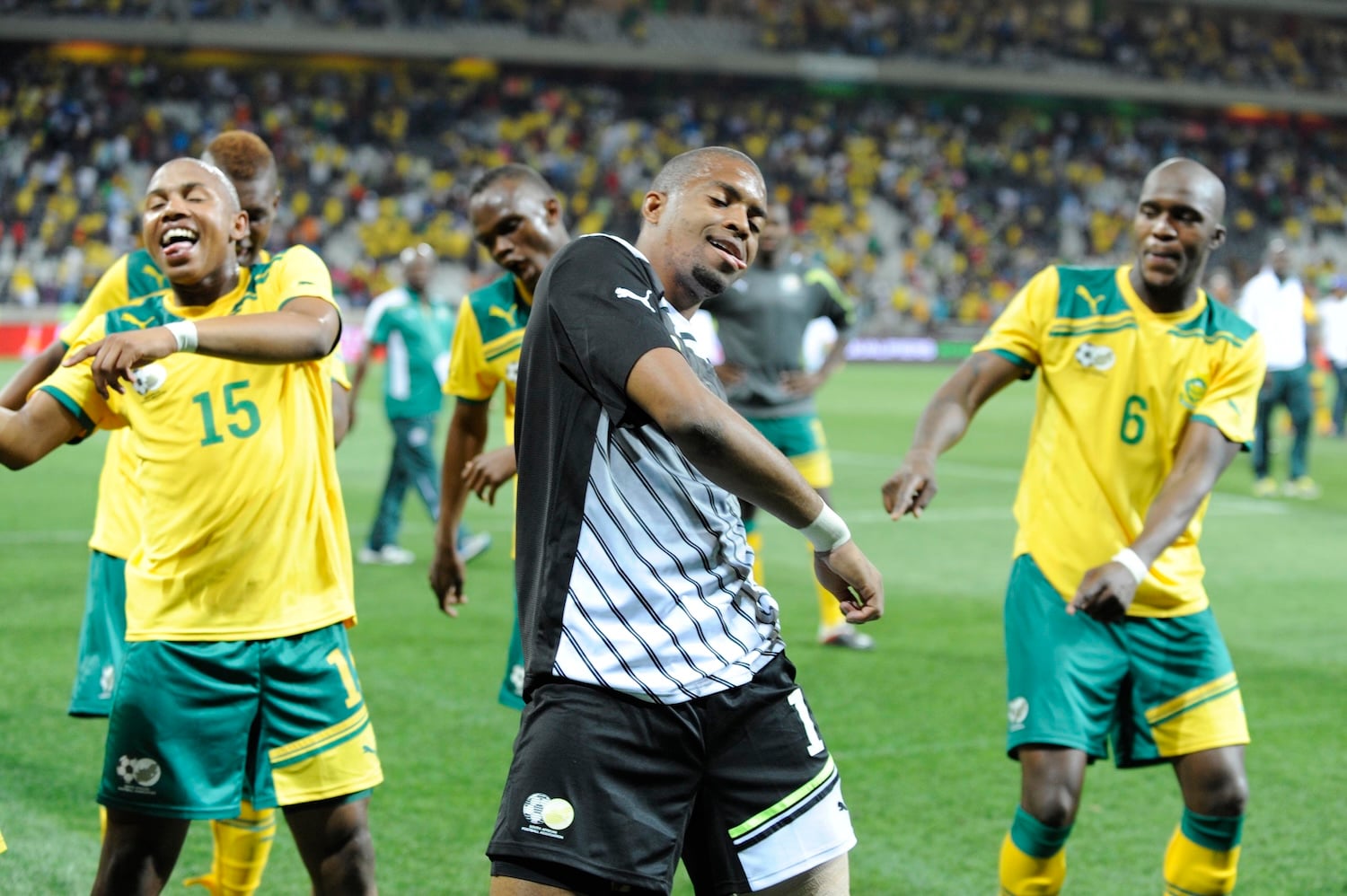
But he did preside over the moment when Pitso Mosimane’s Bafana side celebrated qualifying for the 2012 Africa Cup of Nations in Nelspruit after a goalless draw with Sierra Leone. The only problem with that was that Bafana had not qualified, in a mix-up that saw them misunderstand the rules.
‘Eight weeks after I got the job we had the debacle at Mbombela,” he recalls.
“I was with Pitso before the match to get a briefing and he said we just needed a draw. I didn’t question him or do my own research and I should have. Half way through the match Russell Paul (SAFA’s Head of Events from 2011 to 2024) came to me and said we have to win. I said ‘no, the coach says we have to draw’ Even Danny (Jordaan) and Kirsten (Nematandani) said to me ‘No CEO, don’t worry, we have to draw.
“I went down and checked and our comms guy said we have to win, I contacted Hicham El Amrani, who was CAF General Secretary and asked him if we needed to win. He didn’t reply initially.
“I went into the tunnel and called the team manager over and said ‘tell the coach we have to win’. He went through and was talking to Jairo Leal (Bafana assistant coach) Leal was shouting at him so he came back and said that they were not going to listen.
“So I had to sit on it, stand on the touchline for the last 20 minutes and watch the team play out a draw. Nematandani came running down to celebrate and I said ‘We haven’t qualified’. I showed him a text from Hicham who had now replied. So that was a hospital pass handed to me!”


