
Voyage is the band's first album recorded in Mzansi in 24 years. The process made a difference.
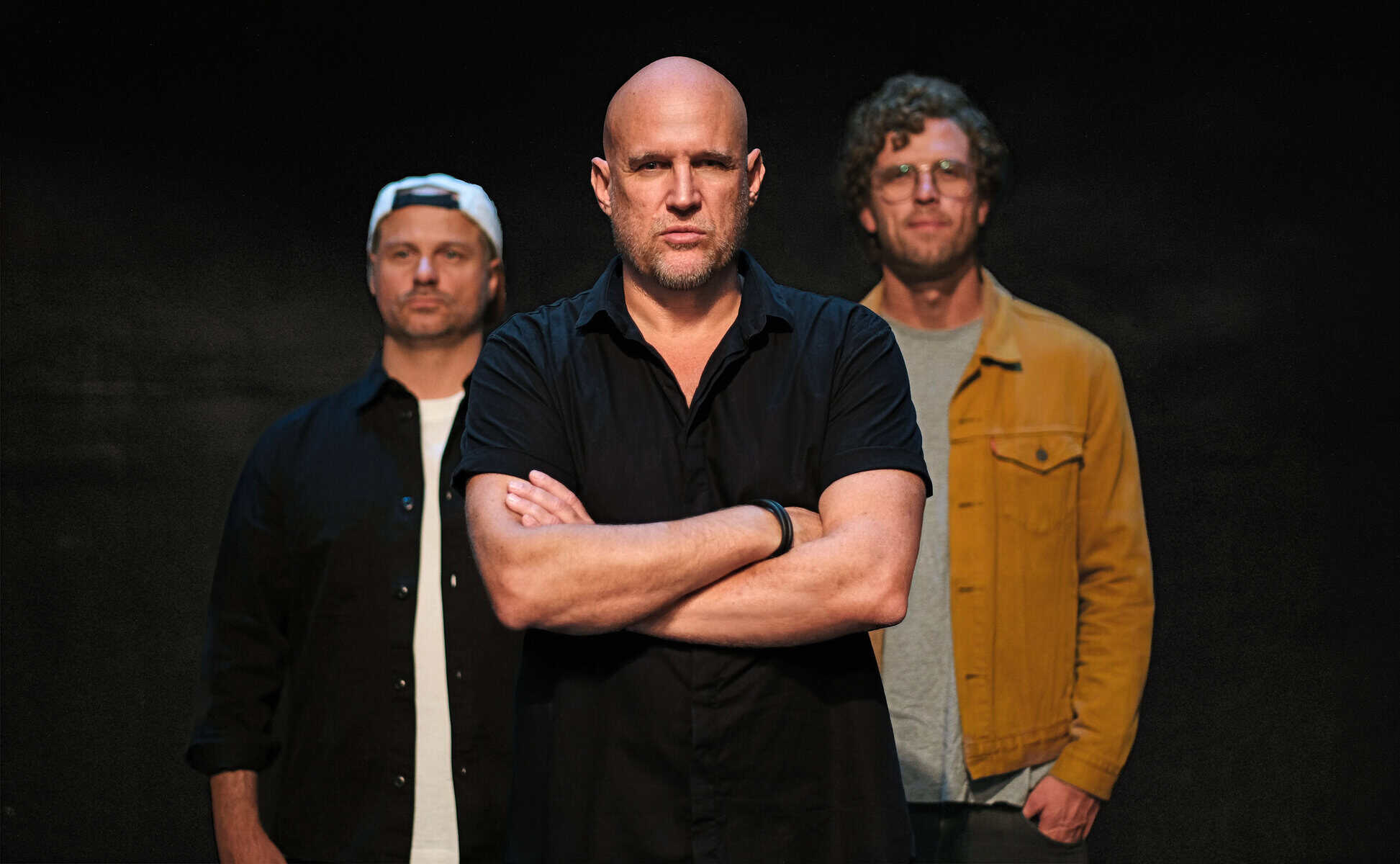
Rocking back onto the scene Tree63. Picture Supplied


Singer and songwriter John Ellis spent a decade teaching school, raising children and watching the world go bonkers. It’s been just over ten years since Durban’s Tree63 tuned out for a while, and it’s been too long. Thankfully, there’s a new album, Voyage.
After 2015’s album Land, the band had already done more than most South African acts dream of: seven studio albums, a Dove Award, a Billboard number one, sold-out tours across the UK, the United States, Australia and beyond. Walking away made sense, but in hindsight, it just closed a chapter.
“By 2015, I imagined I was done with whatever it was Tree63 set out to achieve in 1997,” he said. “I was wrong.”
When Ellis relocated from Durban to Cape Town in 2022, the bug slowly bit, or started biting. The city’s music community pulled at him and old friends kept asking the same question, he said.
Eventually, Ellis stopped deflecting it and called bassist Deon Knipe and drummer Angus Warden, booked time at Creative Native Studios, and started writing again. More than thirty songs sprouted from his pen, and ten of them made it beyond the wastepaper basket.
Ten solid rock tunes
Voyage is the band’s first album recorded in Mzansi in 24 years. The process made a difference. “You’re relaxed, there’s no music industry second-guessing your decisions or trying to mould your results into market-friendly product.”
The album is also vastly different from what the band’s served up before, yet unmistakably Tree63.
“These ten songs are notes on the journey,” Ellis said. “Responses to conversations along the road, testaments of someone who survived the hazards of the journey and who is still walking.”
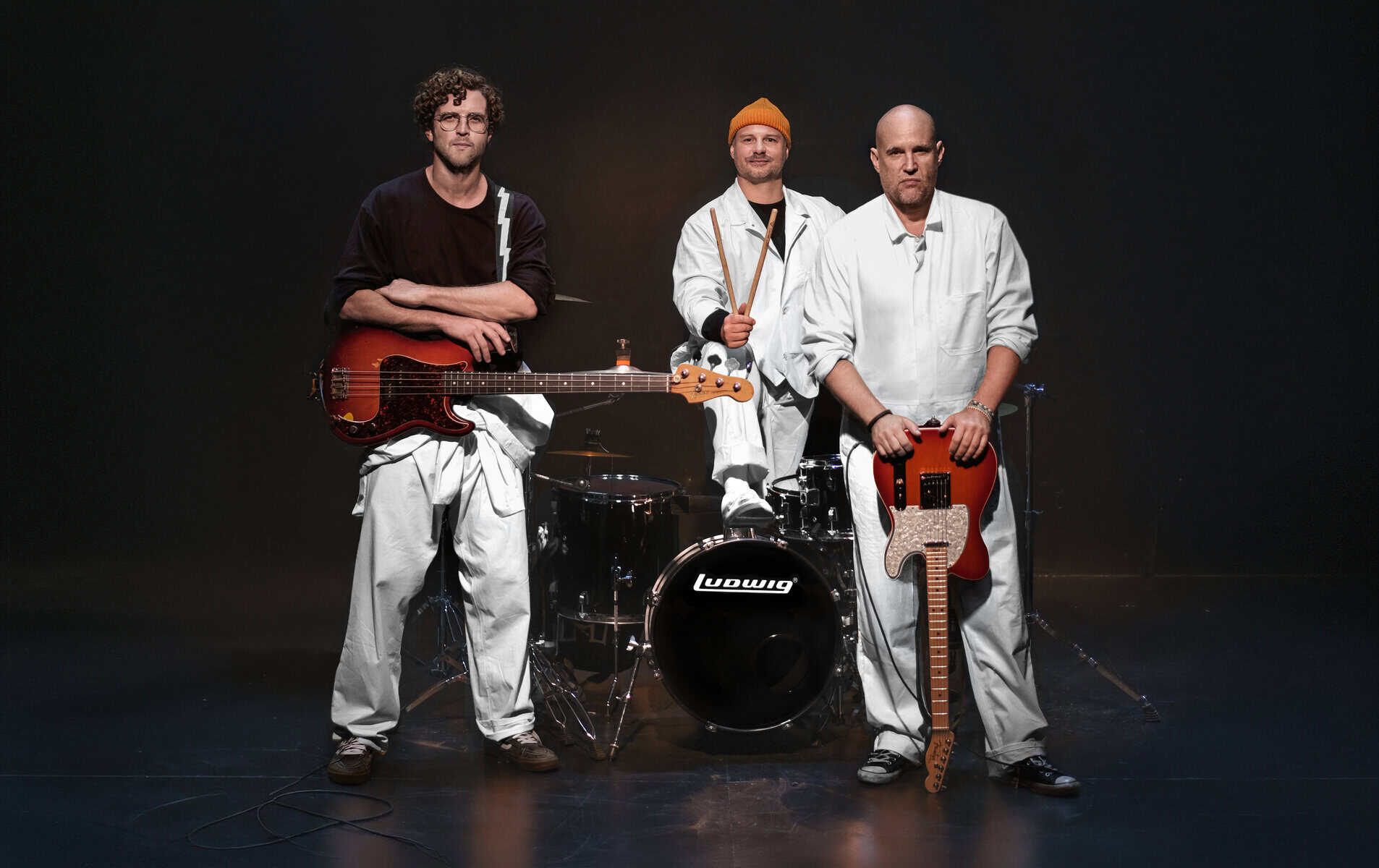
The album opens with Turn For Home, a prodigal story about the long road back after a few wrong turns. From there, it moves through Ambush, a song about being caught off-guard by grace, into the synth-driven title track, which Ellis simply called a survival song.
The influences are audibly U2, The Police, Tom Petty, and The Waterboys. But the record doesn’t feel like nostalgia. It feels like a man working through things that matter to his spirit across every one of the ten tracks.
Faith remained central to the work, but Ellis is allergic to the comfortable version of Christian grandstanding. He has never liked the Christian rock label and does not hide his contempt for the genre’s worst habits.
“Rock, by its very nature, is dangerous and unpredictable,” he said. “So was Jesus, by the way. Which implies that ‘Christian rock’ should also carry that sense of dangerous unpredictability. Instead, so much of it is insipid, cautious, inoffensive.”
Instead, the music has serrated edges. Ellis is equally dismissive of songwriting that prizes cleverness over substance. “I want someone to speak to me, not impress me with their short story capabilities. I admire Sting’s Police songs, but there are no ideas in them, no truth. Same with Paul McCartney.”
‘no ideas in Sting’s songs’
Voyage is an album that does not pretend that the hard questions we should be asking, or maybe are asking, have easy and simplistic answers. Ellis and co. refuse to let the hard questions have the last word, though.
Tracks like How Much Longer? sings in solidarity with people waiting for promises to finally come true. Still, there came out of conversations with old friends who have walked away from faith altogether. But there’s no lesson-sharing here; rather, the music lends an ear. Evangelical favourites are also picked at.
“Born again’ is a phrase the evangelicals have misused to the point where it’s virtually meaningless. I have no time for empty phrases as a songwriter. If I sing the words ‘born again’, you’d better believe I actually mean them.”
Listen to Voyage
New Jerusalem could be misinterpreted, but Ellis said that notion is hogwash. “My ‘New Jerusalem’ has nothing to do with the actual city, the same way Bob Marley’s ‘holy Mount Zion’ was actually about Ethiopia and the Rastafari’s return to Africa. Tree63 doesn’t bother with politics: rock ‘n’ roll is about bringing sides together, not taking sides.”
The closing track, Beatitude, is a recasting of the Sermon on the Mount with Jesus telling the crowd that the meek and the peacemakers matter more than the powerful. Ellis shared that he sees it as his most direct response to where the world is right now.
“Our current moment seems utterly shambolic,” he said. “We are misled by the most ineffective generation of leaders we’ve ever had the misfortune to encounter, and we’ve started trusting technology to rescue us.”
The internet suffocated creativity
The internet promised liberation and delivered something closer to the opposite, he shared.
“It was meant to liberate creativity. Instead, it’s enslaved us. We’re entering a new Dark Age when it comes to awareness, critical thinking and creative freedom.” Ellis added that instead, it created a natural space for honesty and reflection. “It’s the perfect time to plug in an electric guitar and say something true.”
Voyage is not insipid Jesus-rock with clapping hands and blind faith. It’s not cookie-cutter Jesus Take The Wheel kind of stuff. It’s rock in the way that it’s meant to be written and performed.