
A Johannesburg hair restoration specialist says breakage and thinning after years of chemical relaxing isn't always "normal damage" - sometimes it's an early warning sign of permanent hair loss.
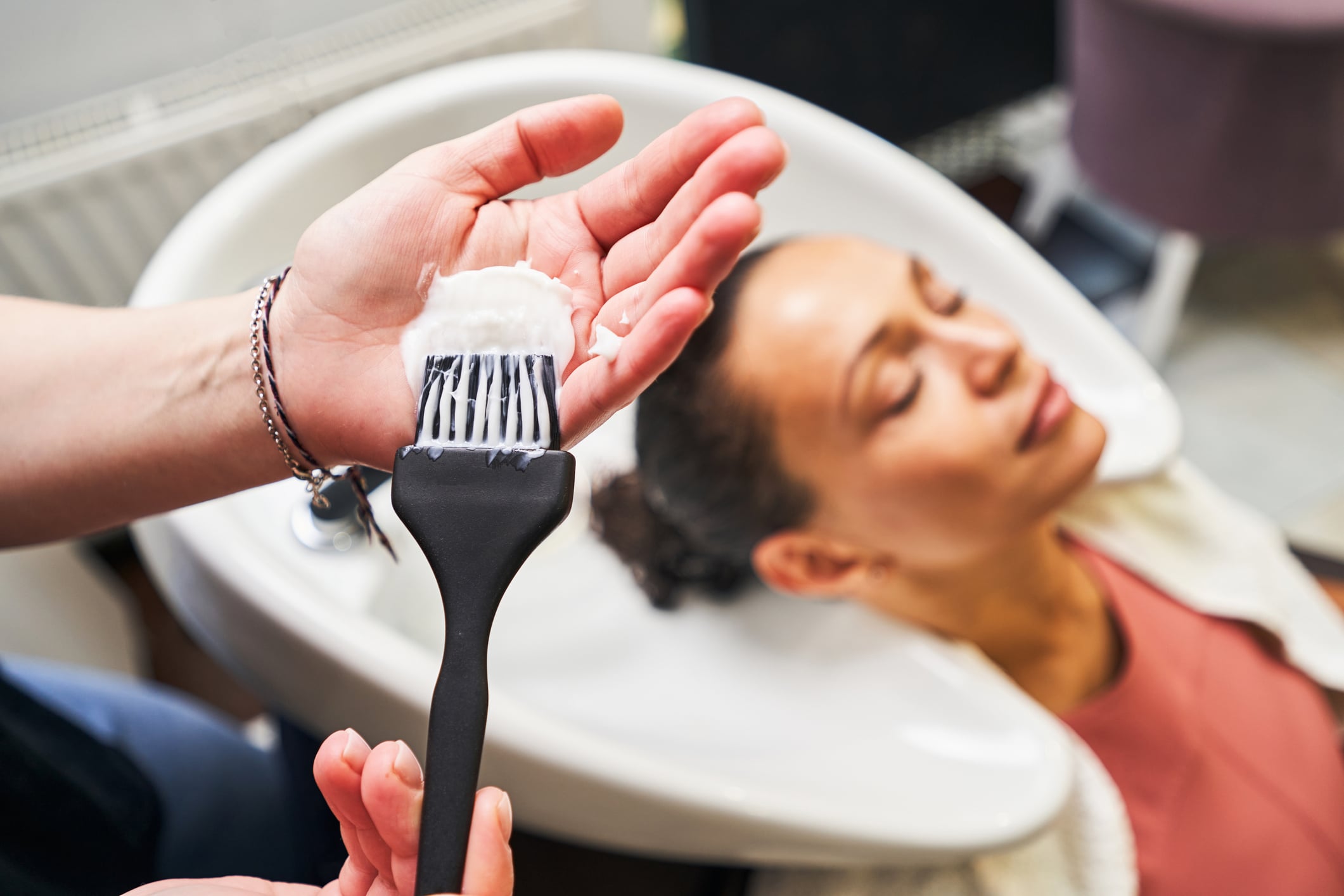
Chemical hair relaxing remains one of the most common treatments among South African women with afro-textured hair. Picture: iStock


Chemical hair relaxing is one of the most common hair treatments among South African women with afro-textured hair, but doctors are warning that the breakage and thinning many put down to everyday damage can sometimes be the first sign of something far more serious.
For some women, hair loss after years of relaxing eventually reverses. For others, it doesn’t, and telling the two apart early can make all the difference.
Damage to the hair versus damage to the follicle
Dr Kashmal Kalan, medical director at Alvi Armani South Africa, says that finding out whether a patient uses chemical relaxers is one of the first things he does when someone of African descent comes to him with breakage, thinning or scalp changes.
A study by the University of Cape Town’s Division of Dermatology found chemically relaxed hair in 78% of schoolgirls and 49.2% of adult women surveyed, underlining just how widespread the practice is.
“Chemical processing is part of my initial analysis: the pattern of breakage, where it’s concentrated, and how the scalp responds. Disclosing this information is not something a patient needs to feel awkward or ashamed about. It is simply another piece of useful information, amongst others, that informs treatment,” Dr Kalan says.
According to the doctor, hair loss is rarely down to a single cause. He draws a distinction between two different problems: injury to the hair shaft itself, and damage to the follicle beneath the scalp.
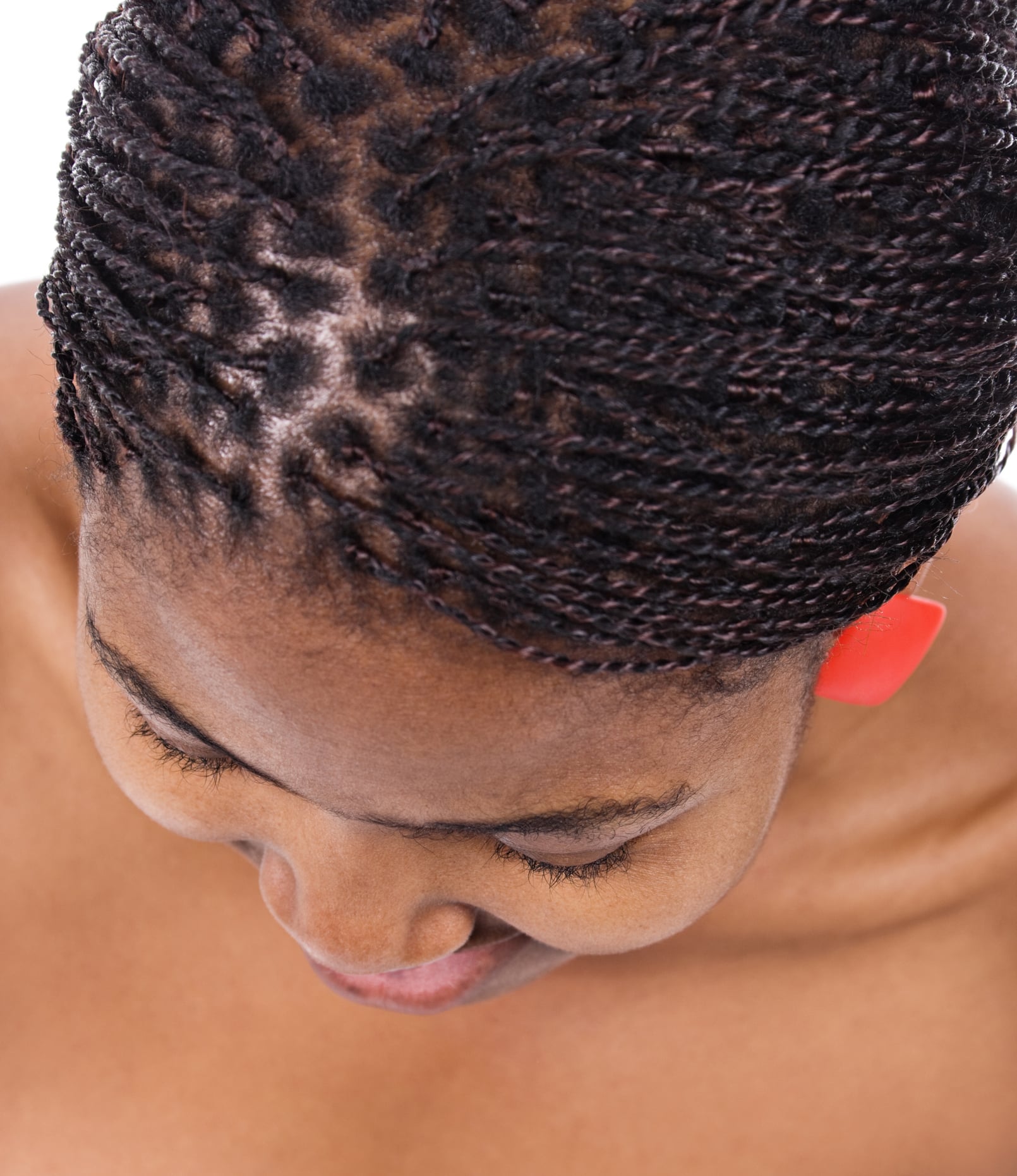
“A significant number of patients I consult with breakage or thinning still have healthy, viable follicles under the hair shaft whether they use relaxer or not. That kind of damage usually responds well to the right hair care and treatment. A cause for concern is when the follicle itself has been affected. Once a follicle is replaced by scar tissue, treating the hair shaft alone won’t reverse that damage,” he explains.
A case that changed the picture
That distinction played out directly in one of his own cases. He tells The Citizen that he treated a patient whose hair loss looked straightforward on examination; no visible inflammation and no obvious scarring. She went ahead with a hair transplant, but when the results didn’t match what’s normally expected once transplanted hair has had time to grow in, he dug deeper.
A scalp biopsy uncovered an underlying scarring condition that hadn’t shown up during the original examination, and which had been quietly limiting how well the transplanted follicles could take.
Looking back over the patient’s history, years of chemical relaxing stood out as a likely contributing factor.
What the research does and doesn’t show
A 2019 study in the South African Medical Journal tested 121 relaxers sold locally, including products marketed at children. All of them proved highly alkaline, with a median pH of 12.36 – above the level considered corrosive to skin.
Dr Kalan is careful about what that finding actually proves.
“This study tells us that relaxers are strong products that should be treated with respect. However, it doesn’t outright indicate that relaxers cause conditions like central centrifugal cicatricial alopecia (CCCA), a form of scarring hair loss that usually begins at the crown, where breakage can be an early sign. What we can say is that repeated chemical exposure can damage the hair, and in some cases the scalp. That damage can contribute to hair loss or worsen an existing condition,” he says.
He adds that anyone who notices the hair at their crown getting shorter, thinner or simply behaving differently from the rest of the scalp shouldn’t assume it’s just typical relaxer damage. It’s exactly the kind of pattern, he says, that’s worth having checked out properly and sooner rather than later.
The hairline tells its own story
The doctor also watches closely for where on the scalp breakage or thinning is concentrated.
Trouble at the hairline, for instance, may point to traction alopecia, caused by mechanical tension from tightly braided or woven styles rather than chemical processing.
South African research cited in the release found traction alopecia in 32.1% of girls who braided relaxed hair, compared with 22.9% of those who braided natural hair – suggesting relaxed hair may be more vulnerable to this kind of tension damage.
“No hairstyle or product should cost you your hair, or cause permanent damage. Relaxer isn’t the enemy here. Ignoring what your scalp is telling you is.”