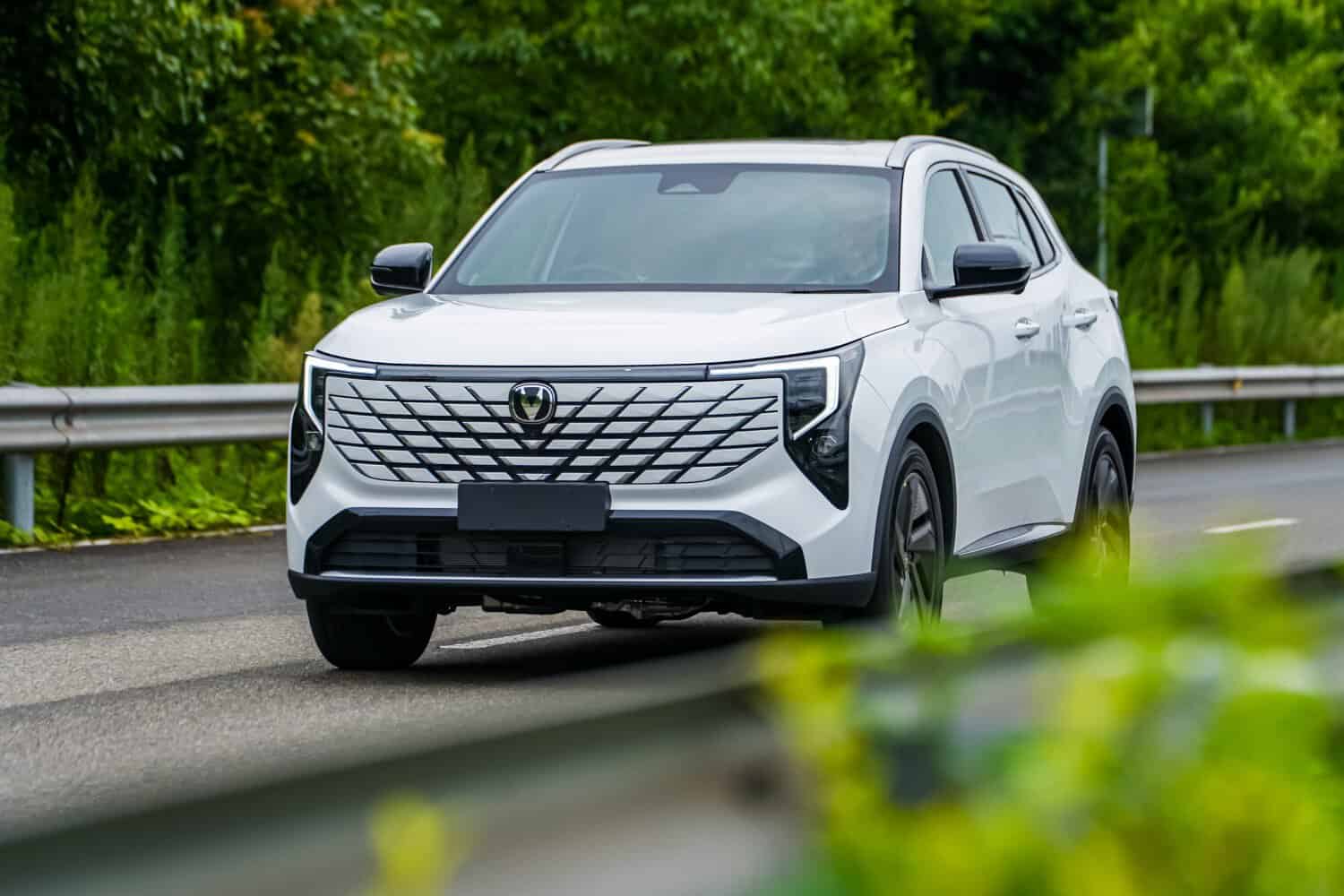
This is an overall wrap from Chongqing, China. The home of Changan Automobile. Where we show you a summary of the new models the brand is set to introduce locally.
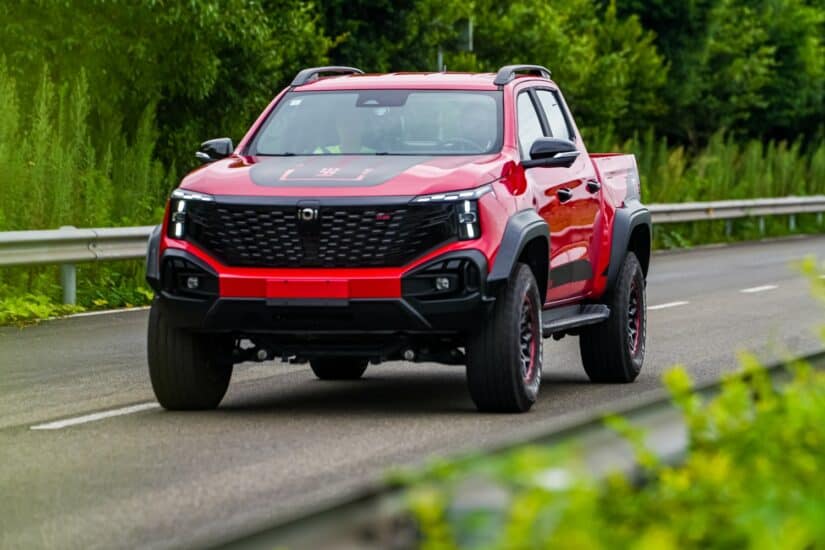
The Changan Hunter K50 REEV will evolve into a more aggressive looking, off-road biased, K70 model. Picture: Supplied


As part of our journey, we were not only given a tour around Changan Automobile’s manufacturing and research and development facilities.
We were also taken out to one of Changan’s vehicle proving grounds. Where several products under consideration for South Africa were made available to us media to drive.
Changan Hunter K70 REEV
The Changan Hunter K50 REEV will evolve into a more aggressive-looking, off-road-biased K70 model that will land in South Africa at the beginning of 2028.
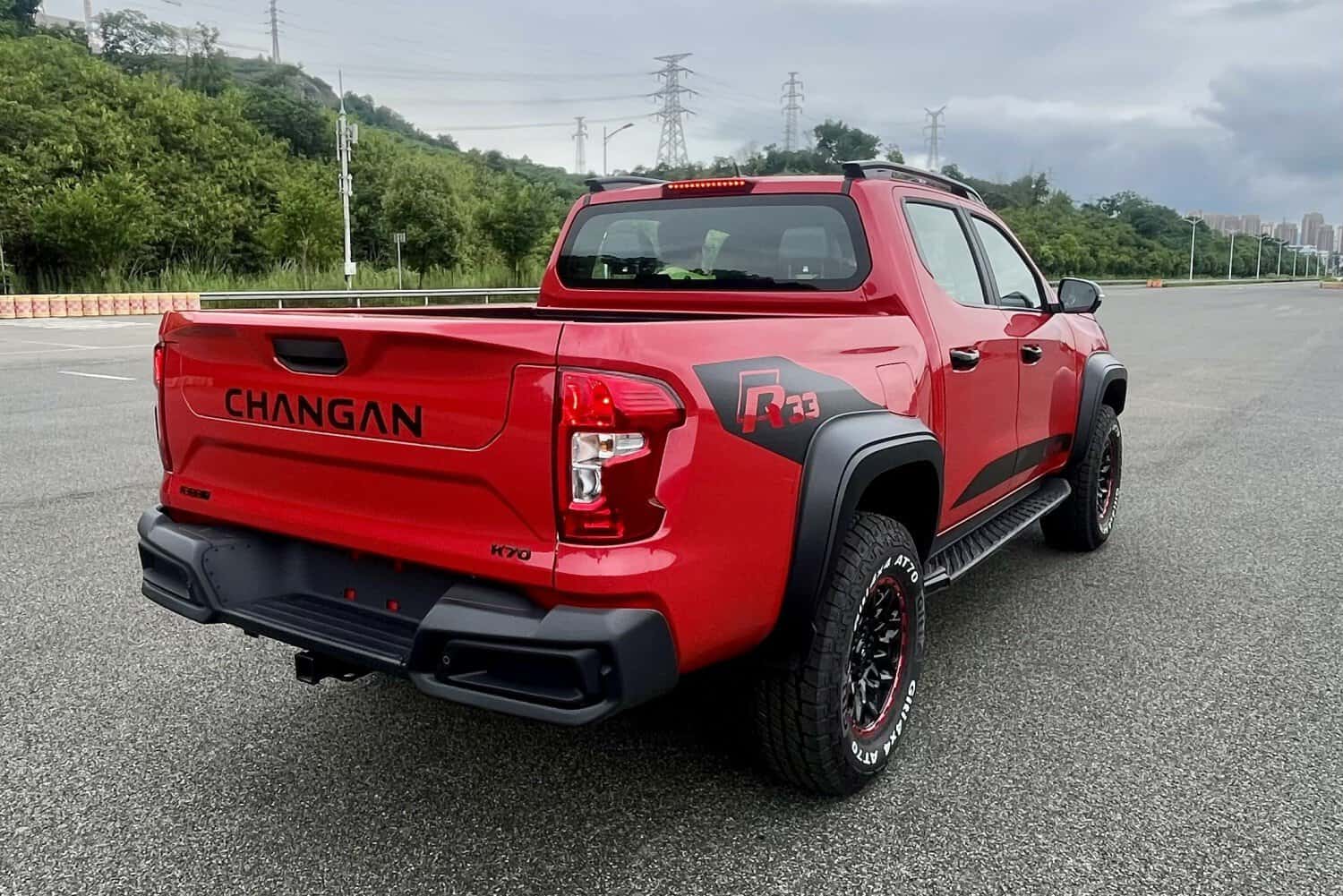
The R33 badging and stripes hint at this being a top-of-the-range offering. Time will tell if this naming convention comes to South Africa.
What you can’t ignore is the extended front and rear wheel arches, the chunky 285/65 all-terrain 17-inch tyres riding on new off-road alloys, an aggressive new front and rear bumper, and roof rails.
The same dual-battery, electric-powered/internal-combustion-engine setup producing a combined 200kW of power and 470Nm of torque as the predecessor will be used.
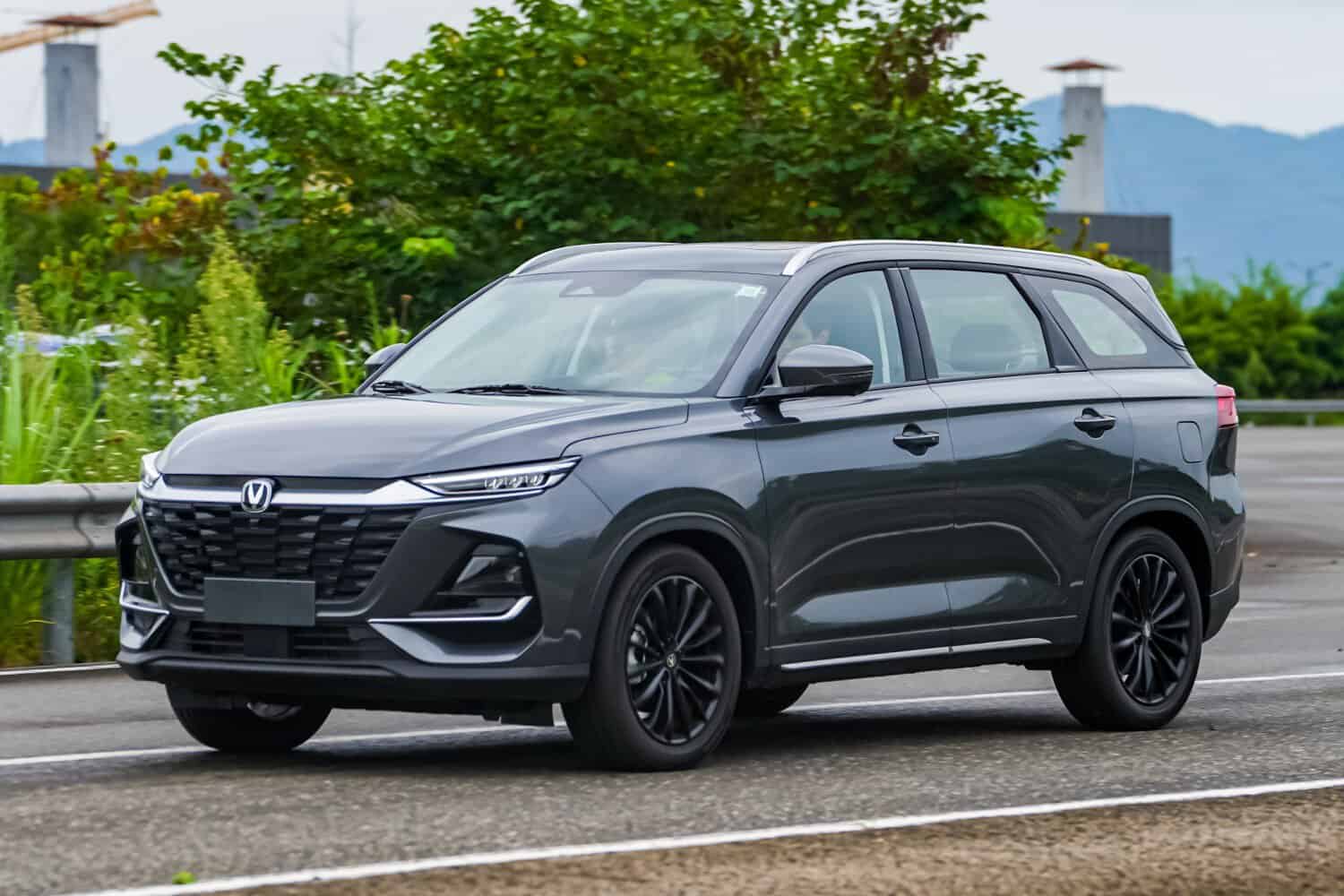
Changan CS75 Pro
The Changan CS75 Pro will undergo a facelift and equipment upgrade in quarter two 2027.
Inside, a black interior, with a 12.3-inch instrument cluster and 14-inch infotainment screen will be on offer as found in the newer Changan models.
Wireless Apple CarPlay and Android Auto will also become available, as will added ADAS features.
The existing 138kW/300Nm. 1.5-litre turbocharged petrol powerplant, married to a seven-speed DCT transmission, will be retained for the updated vehicle.
Changan CS75 Plus HEV
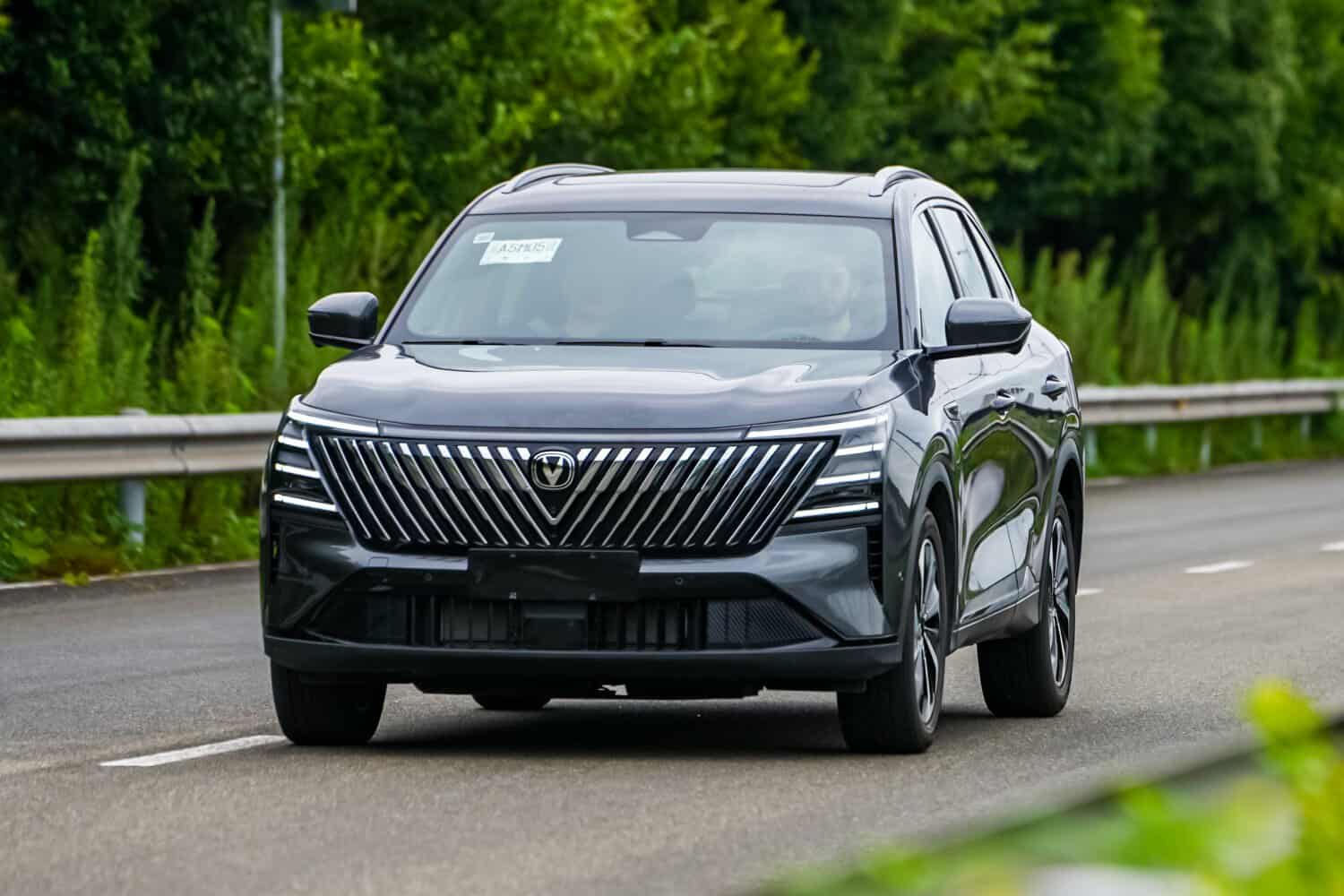
Stepping up a notch in size and premium feel, you have the new Changan CS75 Plus HEV that will come in seven-seater configuration only.
On the technical side, this model will feature the same BlueCore Hybrid technology found in the Uni-S HEV coming here later this year.
This sees a 1.5-litre turbocharged petrol engine combine with an electric motor that is powered by a 1.74kWh self-charging lithium battery for 180kW.
Changan CS55 Pro
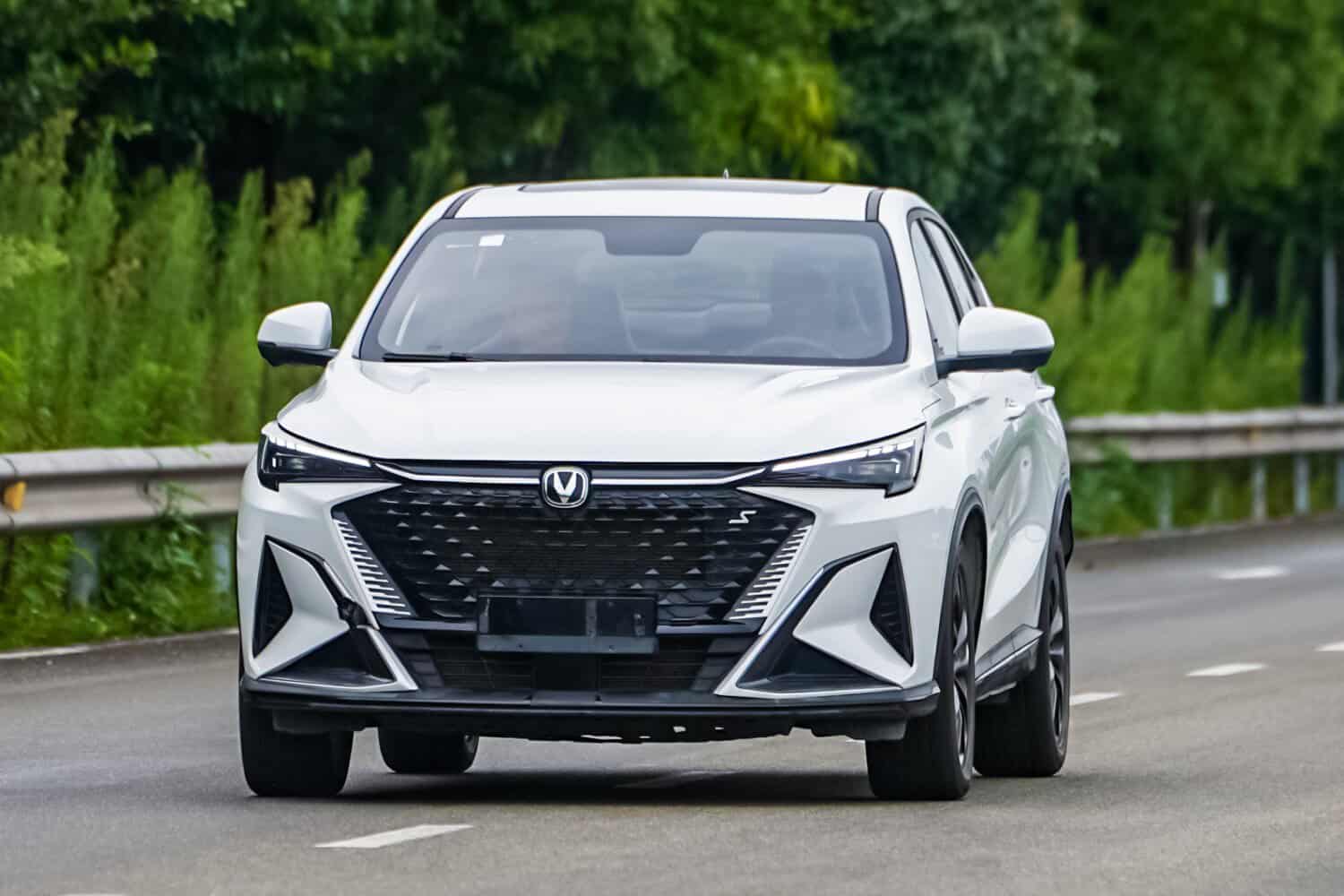
The smallest of the trio is the Changan CS55 Pro. This compact SUV will slot in under the Uni-S in terms of size and price.
In expected Chinese fashion, the interior is modern and neat with a dual digital dashboard layout that offers a 10.25-inch instrument cluster with a 14.6-inch infotainment screen.
Powering the Changan CS55 Pro is the same 141Kw/310Nm, 1.5-litre turbopetrol found in the Uni-S, but in upgraded form.
Changan Nevo Q05
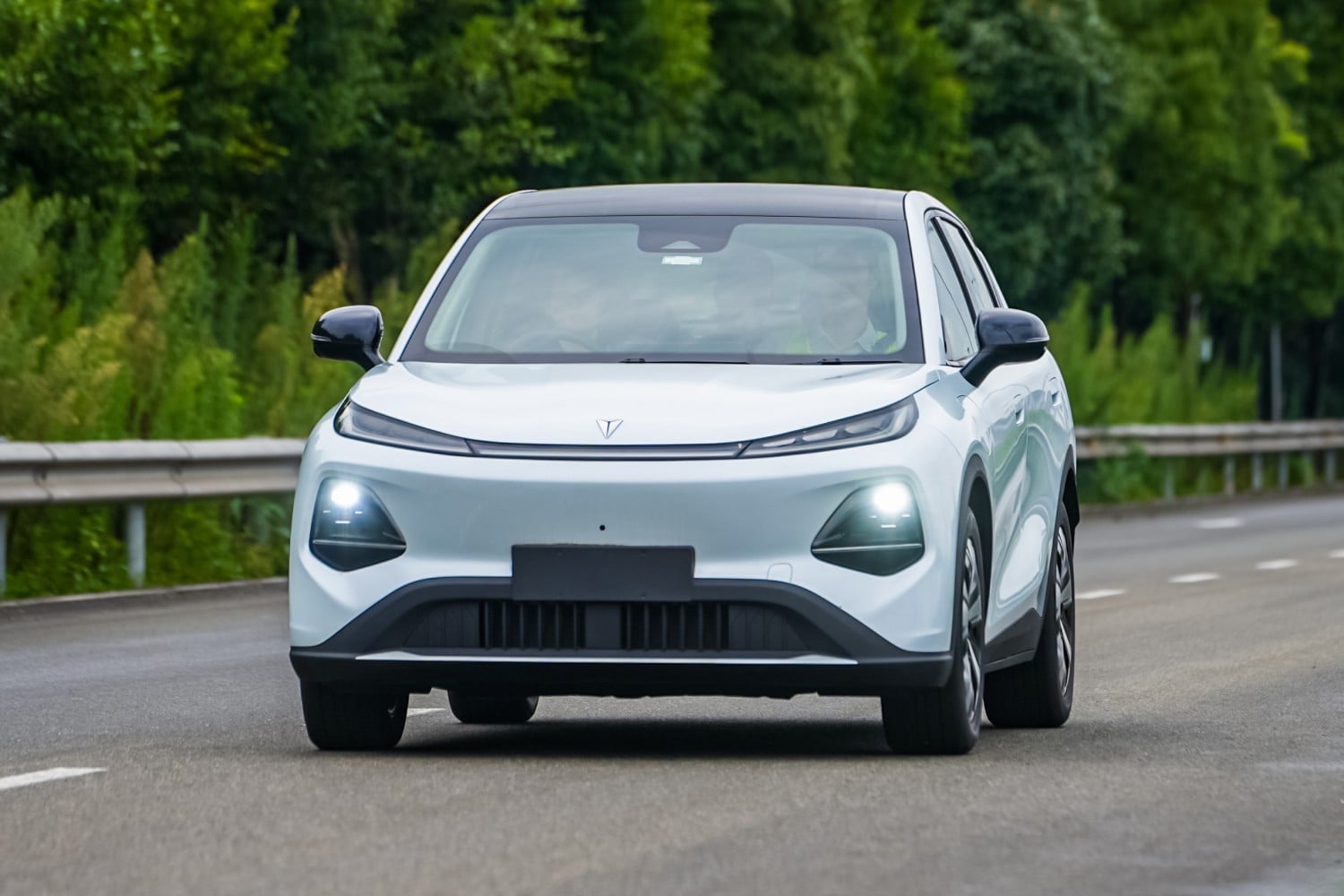
The Changan Nevo Q05 is a compact SUV that is said to be aimed at urban families and daily commuters who want a usable electric range and suitable tech.
While final details will be confirmed closer to the car’s launch date in 2027. The Changan Nevo Q05 is said to come with a 51.9 kWh LFP battery that is claimed to offer to 506km.
Power comes from a single front mounted electric motor delivering 120kW of power and 190Nm of torque.
Changan Lumin
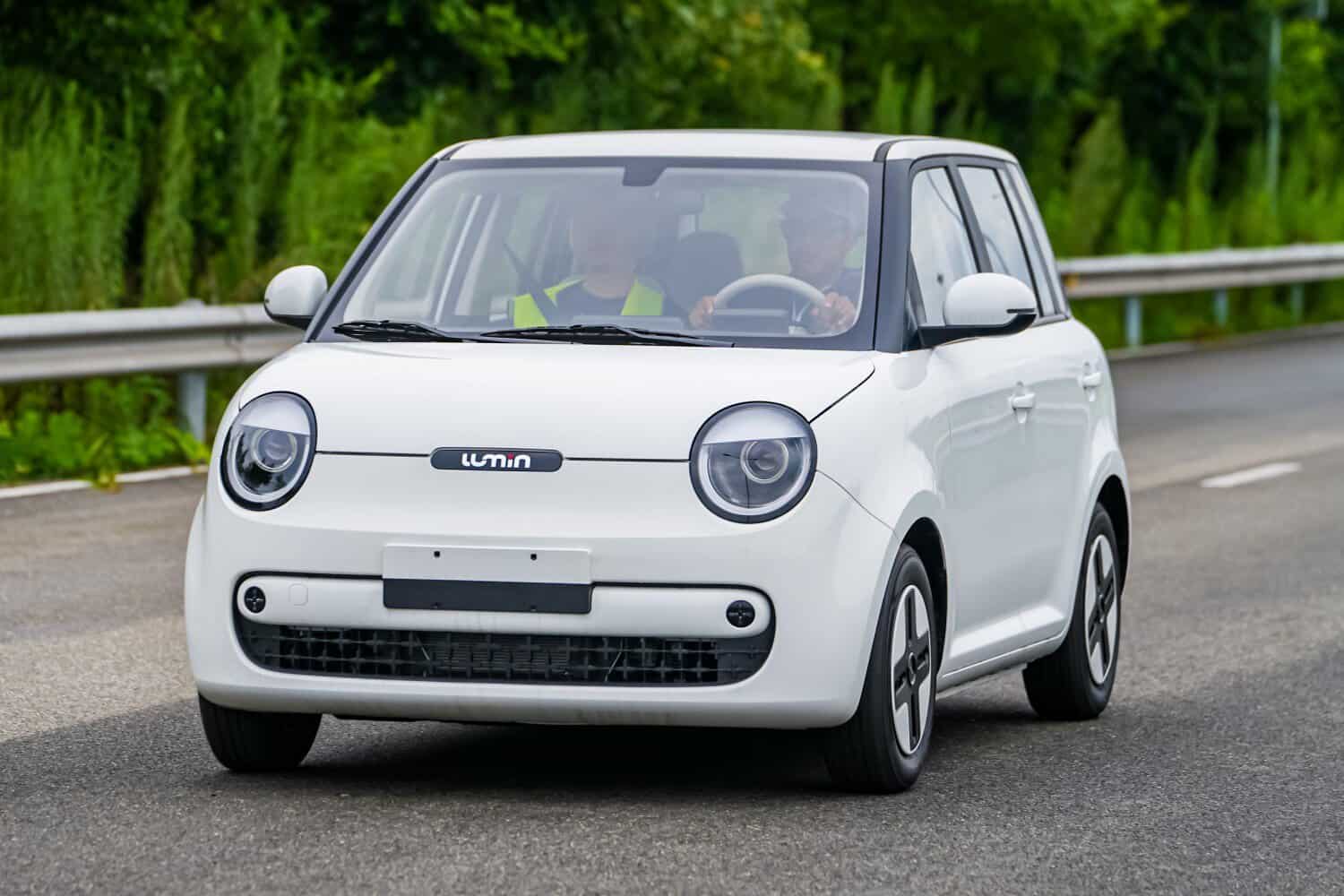
The Changan Lumin is a compact hatch that will bring even more affordability to the battery electric segment in South Africa.
The Changan execs were hinting that this car will land as South Africa’s cheapest EV when it also gets here in 2027.
It’s a quirky-looking little thing that you just know will only really be happy in and around town or the suburbs. Especially when you consider that its top speed is only around 100km/h.
The Changan Lumin we are likely to get will offer up 35kW of power and 85Nm of torque. And come fitted with a 27.9kWh battery and a claimed range of 310km.
Changan Uni-S HEV
Also coming before the end of the year, Changan’s popular Uni-S mid-size SUV will see the debut of a new “BlueCore Hybrid” technology energy derivative.
The Uni-S is already available in South Africa as a 1.5-litre turbo petrol that produces 138kW of power and 300Nm power. Which, in turn, is paired with a seven-speed DCT transmission.
The new model will come with a 1.5-litre turbo petrol coupled with a 1.74-kWh self-charging lithium battery that drives an electric motor, with a combined power output of 180kW.
Not to be outdone in terms of efficiency either. Changan reckon that the fuel consumption of the Uni-S HEV could drop as low as 4.0 litres per 100km.