This bakkie just could be the pick of the range if you are looking for more than just everyday performance from a double cab.
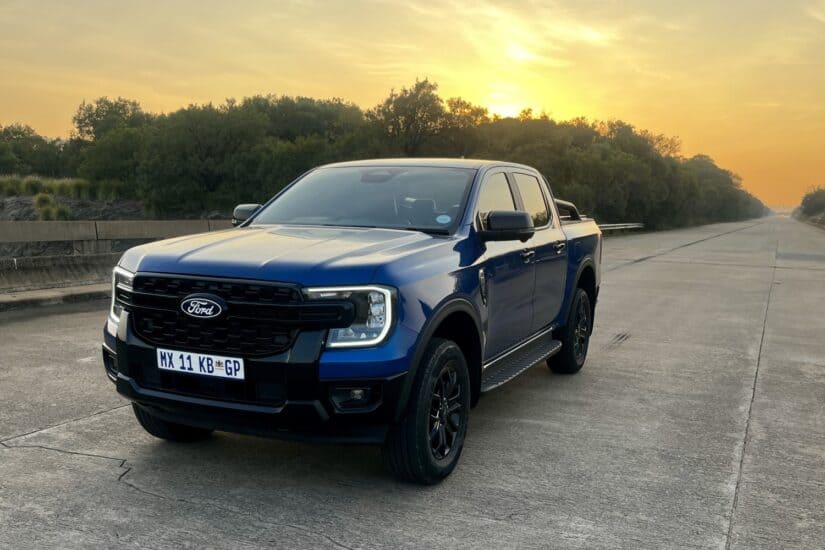
The introduction of the new Ford Ranger Sport will slot in strategically between the popular XLT and the rugged-premium Wildtrak. Picture: Mark Jones


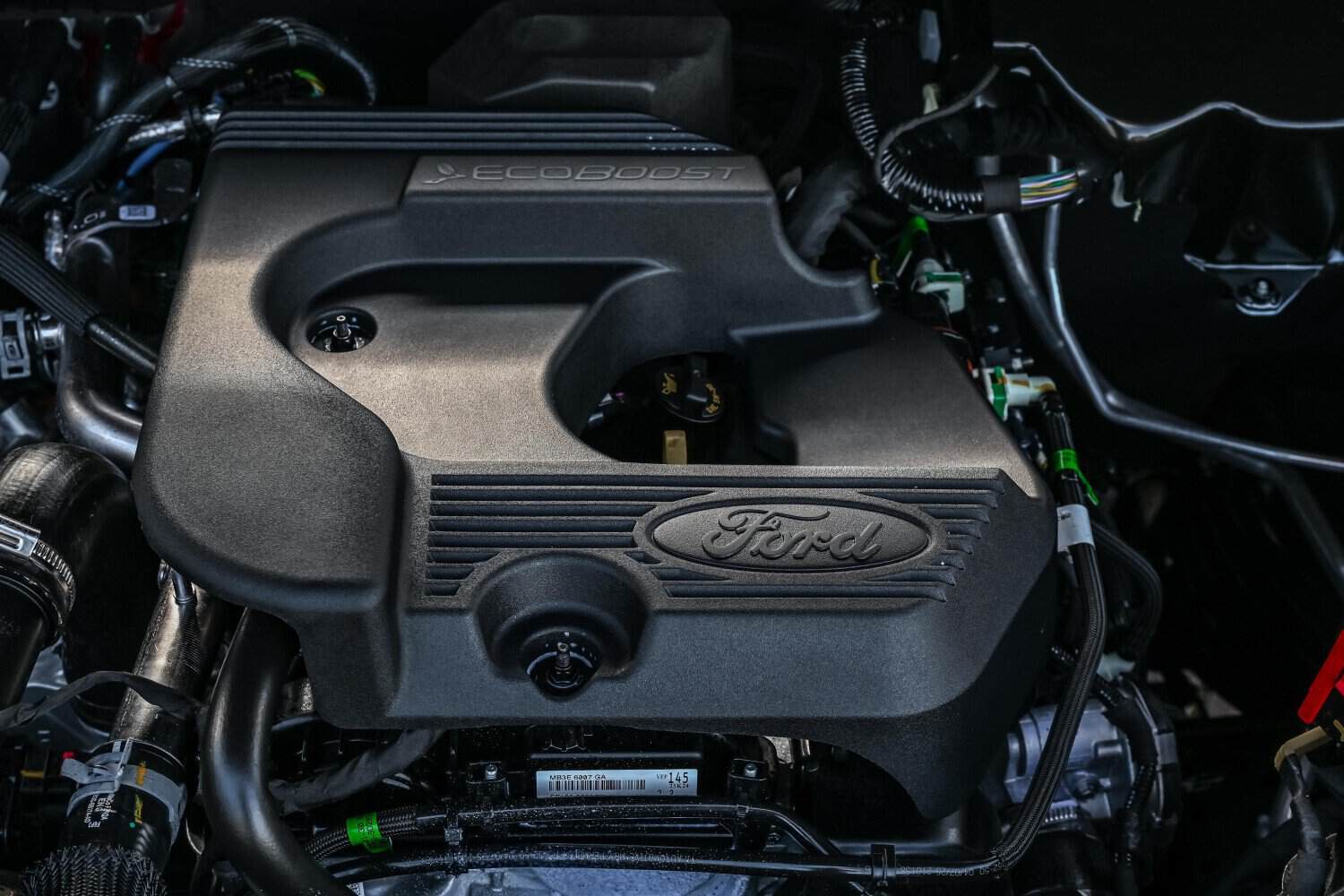
I am going to admit right up front. I did not think much of Ford shoving the 2.3-litre EcoBoost engine in the Ranger. My feeling has always been that this powerplant was only suited to their Ford Focus RS hot hatch.
And I did not see the point of putting a fuel burner in the Ranger. Especially when on the surface it seems like a clever marketing ploy for the sake of only having more and more derivatives.
You want fast, get a Ranger Raptor. You want frugal, get a single turbo XL. And if you want silky smoothness, get a 3.0-V6 turbodiesel. Plenty of good choices right here. No need for this petrol engine.
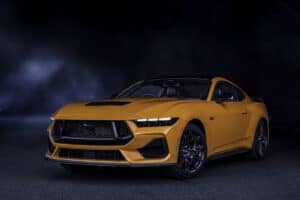
I also never saw the point of this engine in the Ford Mustang either. Perhaps this is where my dislike for the plan started. Stick to doing what you do best. Nobody wants a Raptor Lite. Or do they?
Muted exhaust note
I wish at this point I could tell you that I was at least impressed when I pushed the start button on the Ford Ranger Sport and fired the 2.3-litre EcoBoost into life. I wasn’t. There is no engine note to speak of to be blunt.
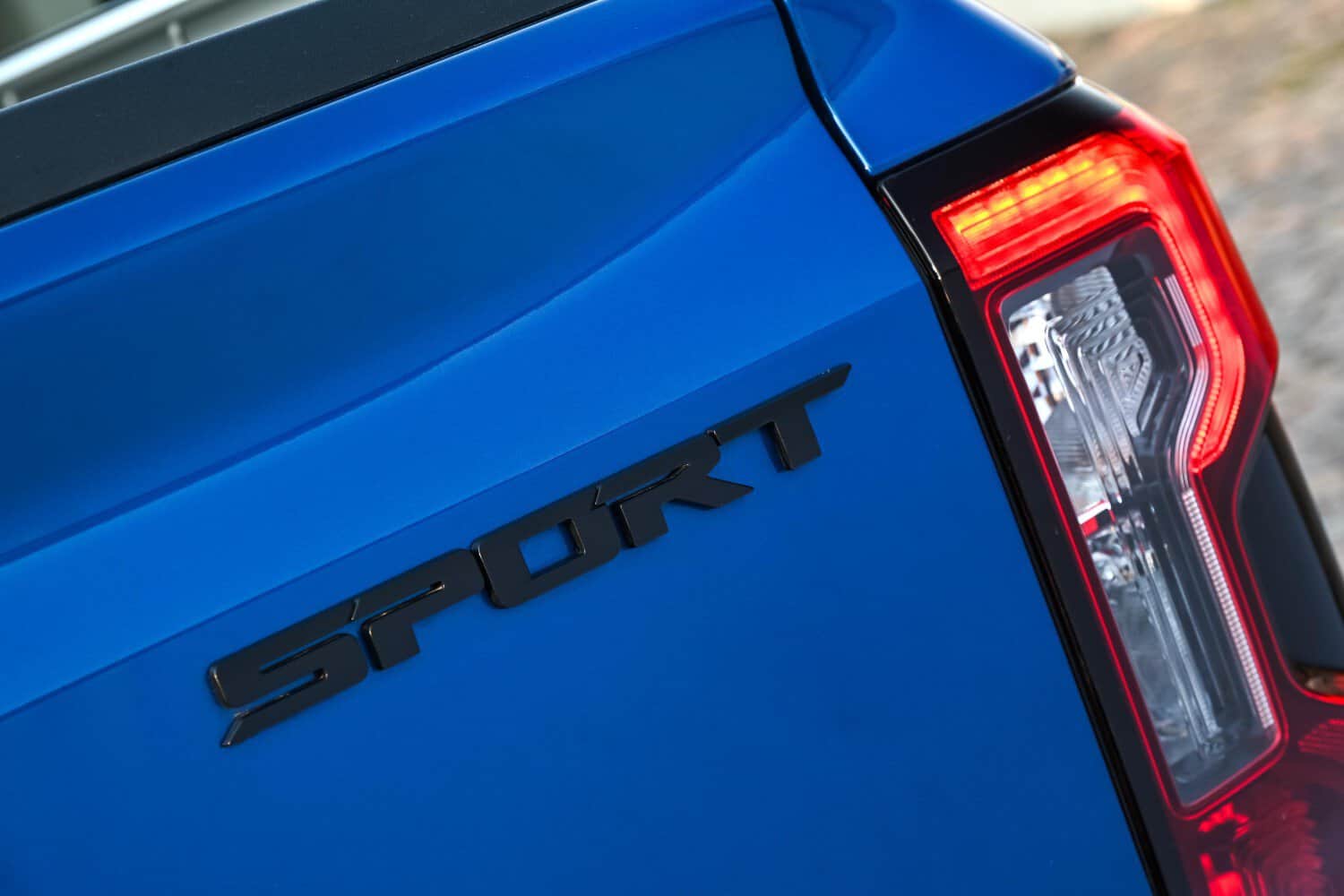
Even though this bakkie wears a ‘Sport’ badge. It doesn’t fire into life like a ‘Sport’. And doesn’t sound like a ‘Sport’ on the fly. Maybe I was expecting something a bit livelier. Not like a Raptor. But something with a bit of noise. I guess one can argue that at least there is no diesel rattle.
Decent level of drivability
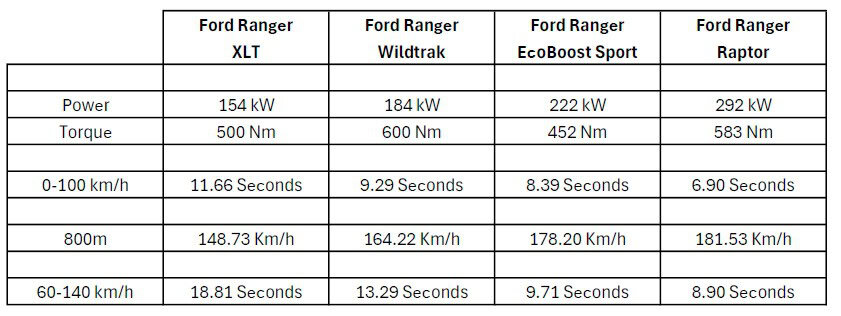
Driving off and behaving in a civilised manner also yielded no real clues for what was to follow. When you use part throttle in the suburbs or on the highway, the bakkie behaves very much like the old discontinued bi-turbo diesel that churned out 154 kW and 500 Nm.
Which means there is a more than decent level of drivability but no huge rush of speed. Your brain is hard pressed to believe that the Ford Ranger EcoBoost Sport is offering up a full 222 kW of power and 452 Nm of torque.
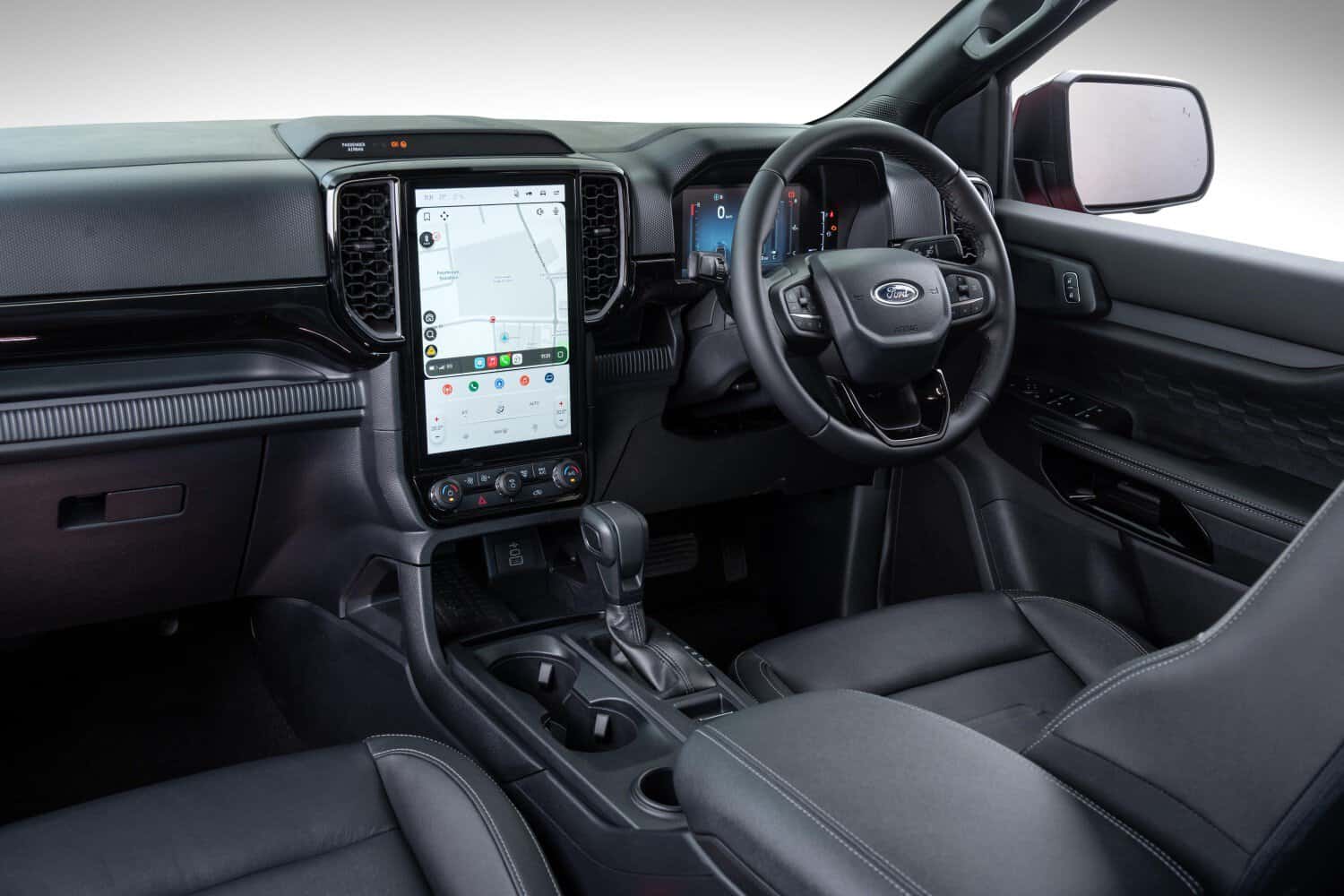
Without getting too technical, this is because of the way the Ranger EcoBoost Sport is mapped. Ford have limited the amount of torque allowed down to the rear wheels through the 10-speed box in the lower gears and at part throttle.
They have made it feel like a bakkie. And not an overzealous hot hatch. Which is fair enough as it still a leisure double cab weighing in at over 2-tonne.
Hauls past 6 000 rpm
But this all changes the moment you decide to treat it like a hot hatch and bury your right foot and keep it there. It’s like a little message is sent to the turbocharger to allow all the boost to keep coming while the rev counter hauls past 6 000 rpm.
As you get off the line, you think that this can never be a quick run, because that message hasn’t been received yet. But once out of first gear, there is a noticeable switch up in power and the urge is relentless.
One of the fastest double cabs
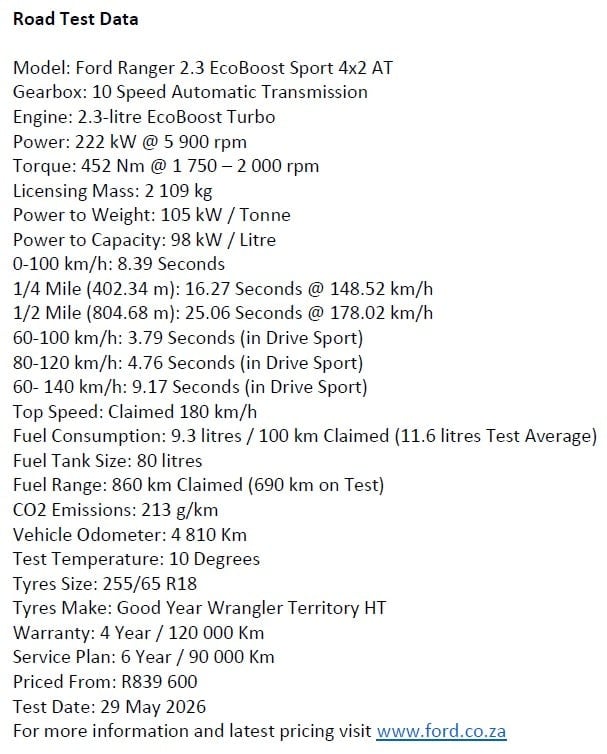
You are not catching the 292 kW Raptor that is still the Ford performance benchmark at 6.90 seconds. But the EcoBoost Sport’s 0-100 km/h time flashes up in just 8.39 seconds. Making it one of the quickest double cab bakkies on the market today.
To add some perspective. This time is way quicker that the old bi-turbo that managed a 11.66 second run. And even quicker than the 3.0-litre V6 turbodiesel that gets there in 9.29 seconds.
What was even more impressive for me was how hard the Ford Ranger EcoBoost Sport kept pulling beyond the 100 km/h mark. At the longer 800m point, it was almost on the speed limiter with a recorded speed of 178 km/h.
The Raptor is only travelling 3 km/h faster at 181 km/h. While the two diesels, the V6 and the bi-turbo, that are both quicker than their competitors, are left for dead at 164 km/h and 148 km/h respectively.
The same happens when on the roll. The Ford Ranger EcoBoost Sport punches through the gears. With the 60-140 km/h sprint coming up in a mere 9.71 seconds. Again, only the Raptor is faster at 8.90 seconds.
While the two class leading diesels are left out to dry with runs of 13.29 seconds and 18.81 seconds. That is nearly twice as long as you could be on the opposite side of the road when overtaking.
Fuel consumption is acceptable
Now that we all know the Ford Ranger EcoSport is fast. What about fuel consumption? I was expecting way worse. And to be blunt, around town it does suck around 15-litres per 100 km.
But throw in some open road, light foot driving, and it comes all the way down to 11.6 litres per 100 km. Which was the average shown on the cluster for the last 3 000 km of media test drives.
In world where most 150+ kW diesel double cabs average over 10-litres per 100 km. And the 3.0 V6 averages over 12-litres per 100 km. These are number I could almost live with when you consider the performance you have on offer.
Worth looking at
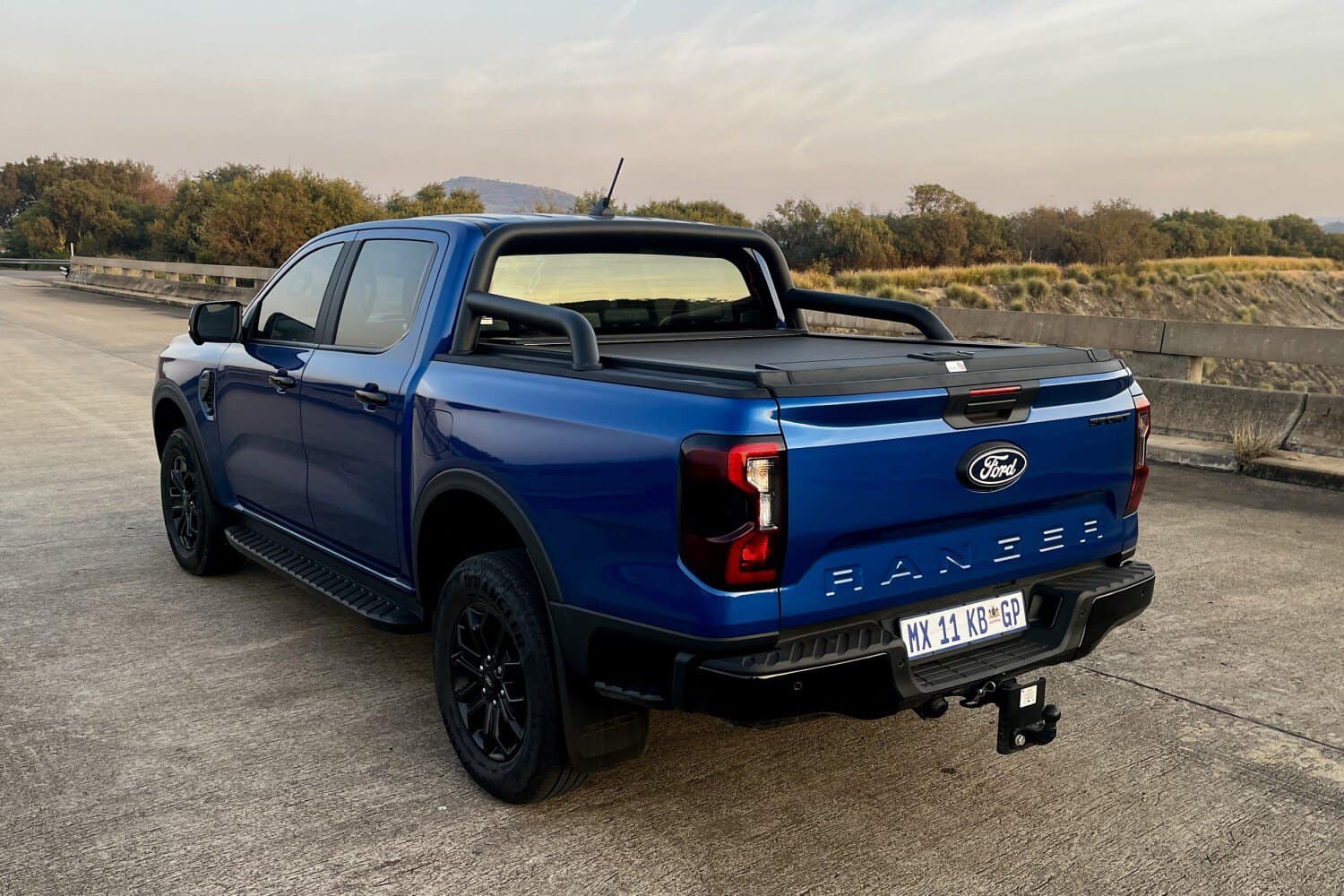
At R839 600, the Ford Ranger EcoBoost Sport just could be the pick of the range if you are looking for more than just everyday performance from a double cab.
Price and warranty
The Ford Ranger EcoBoost Sport comes with a six-year / 90 000 km Ford service plan, a four-year / 120 000 km Ford warranty, a four-year / unlimited distance Roadside Assistance and five-year / unlimited distance corrosion warranty.
Customers have the option of purchasing Ford Protect Service or Maintenance Plan upgrades up to eight years or 165 000 km. The warranty can be extended up to seven years or 200 000 km, while the Roadside Assistance can be extended for an additional one or two years.