When selecting the preferred Ranger variants, eventually opting for the Sport came with the added question of whether to go for the V6 or the new 2.3 EcoBoost petrol.
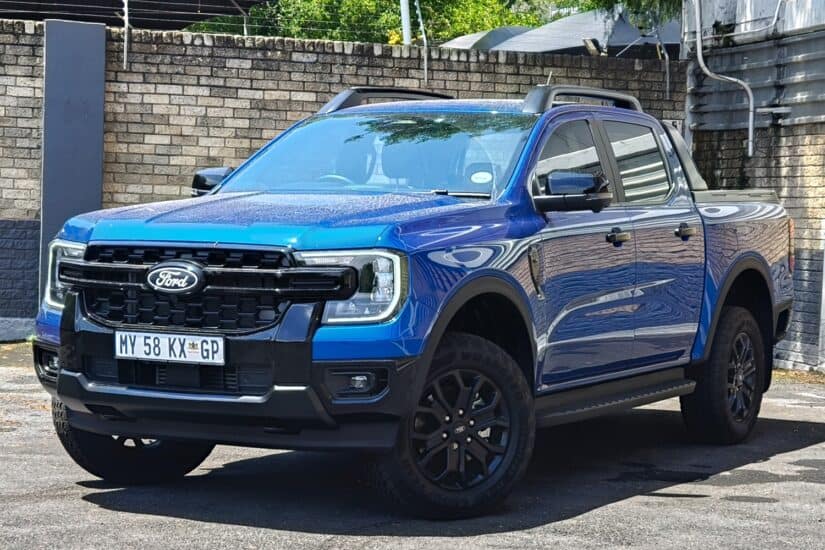
Long-term Ford Ranger V6 Sport has been fuss free following its odometer rolling past 5 000 km. Picture: Charl Bosch


The Citizen‘s long-term Ford Ranger V6 Sport officially crossed the 5 000 km mark in October without so much as having its fuel tank topped and a few visits to the carwash.
V6 or EcoBoost?
Affectionately known as Blue Lighting in reference to its colour, the Sport’s arrival in July came only after prolonged discussions with Road Test Editor Mark Jones and Motoring Head Jaco van der Merwe as to whether the thirst of its 3.0-litre engine would have been negated by rather opting for the 2.3 EcoBoost petrol.
As is well known, the Sport trim debuted in South Africa earlier this year as part of the range revisions to the locally built Ranger line-up between the XLT and Wildtrak.
Split into two variants in the double cab Ranger line-up, it doubles up as the replacement for the 2.0-litre bi-turbo Panther engine, in which rear-wheel-drive models now have the EcoBoost and all-wheel-drive models the V6.
Whereas the 3.0-litre develops 184kW/600Nm, the EcoBoost outputs less torque at 452 Nm, but more grunt at 222 kW.
Burned at the pumps again?
The supposed upshot is improved consumption as a result of it tipping the scales at 2 198 kg versus the V6’s 2 255 kg.
Ford’s own wording, though, puts consumption of the EcoBoost at 9.3 L/100 km compared to the V6’s 8.3 L/100 km.
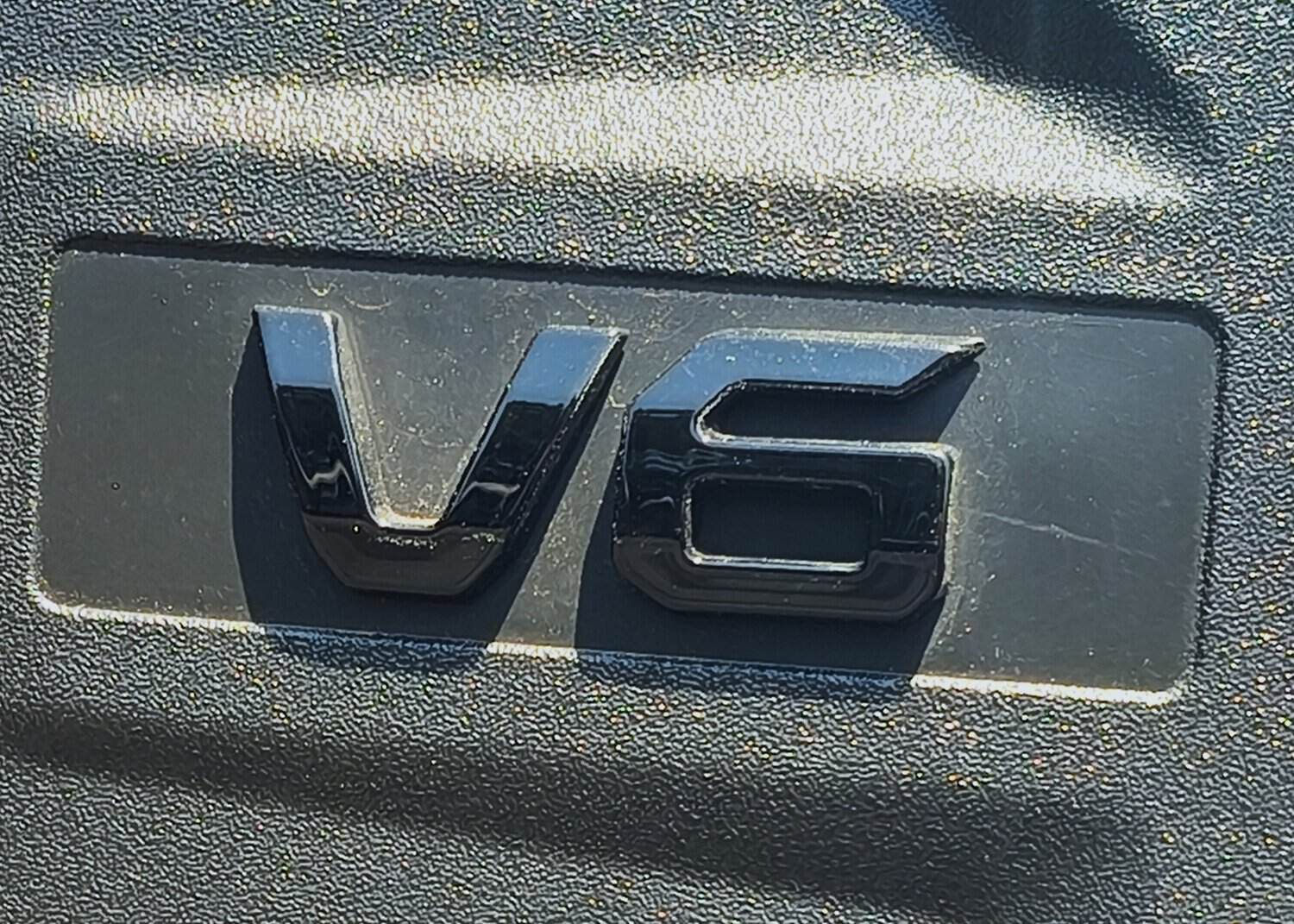
This, together with plans of taking the Ranger off-road, and after Mark could only manage 11.6 L/100 km during his time with the EcoBoost in June, resulted in the decision being made to opt for the V6 as our long-termer.
As mentioned, the fear was that the V6 would gulp diesel at the same 12 to 13 L/100 km rate as the “pre-facelift” Wildtrak and Platinum models that served in our fleet.
However, consumption has not changed from the last update in October, as the 12-inch digital instrument cluster still displays 10.8 L/100 km.
Righting the wrongs
Originally a development between the Blue Oval and what is now known as Stellantis, the Lion V6 has had a checkered past since debuting as the infamous 2.7 in 2004.
Upped to 3.0-litres and used in a variety of “Land Rover”, Range Rover and Jaguar products under Ford’s ownership, it also made its way to the United States under the Powerstroke banner for use in the F-150.
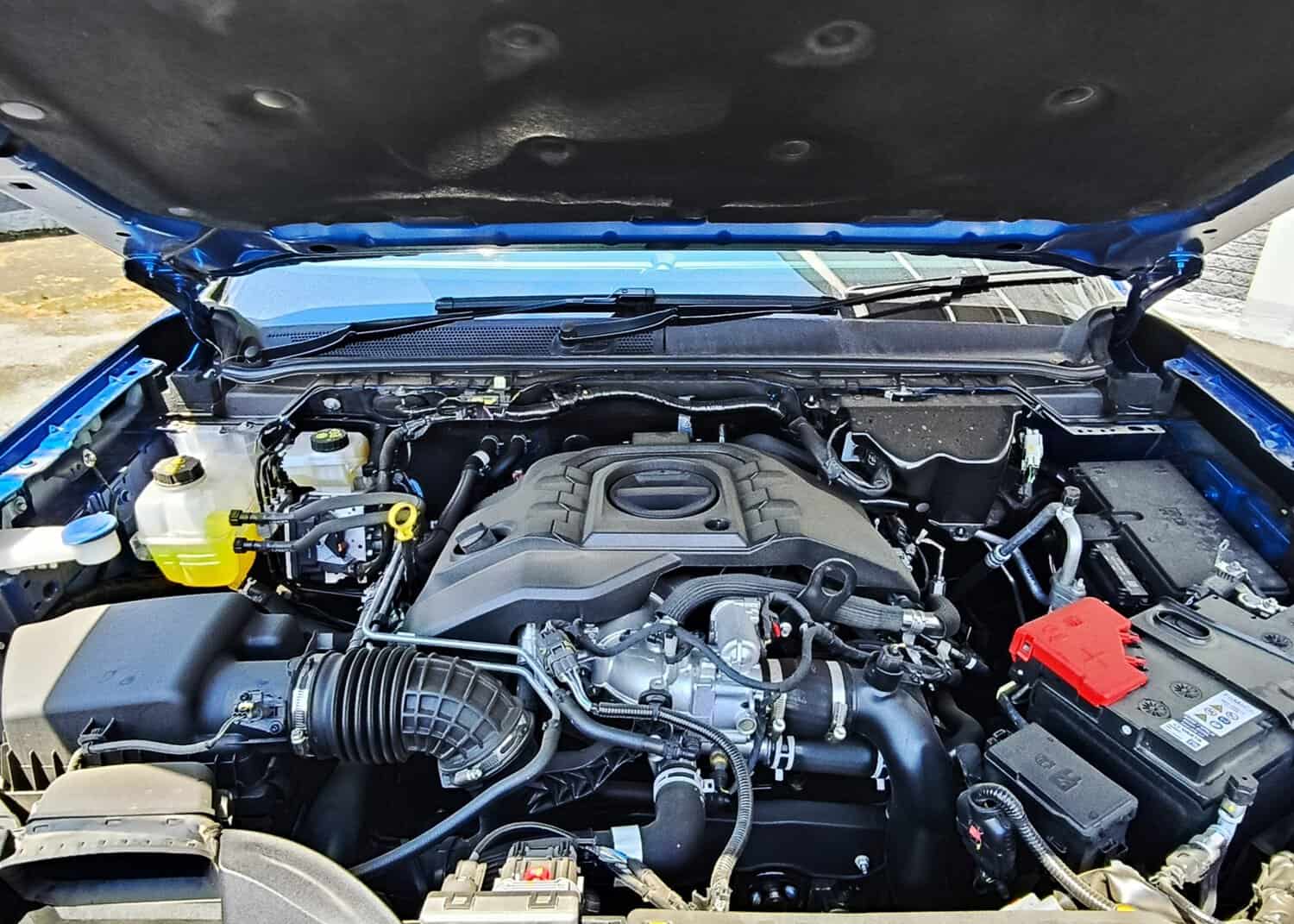
America’s disdain for diesel, though, saw the Powerstroke being dropped in 2021 and introduced on the current T6.2 or internally named P703 Ranger, in 2022.
While early iterations copped a reputation for fuel pump failures, failed crankshafts, leaking turbos and bearing failures, the latest generation has, seemingly, been more sorted unlike its bi-turbo sibling.
Smooth and flexible in its power delivery, it has so far not put a bearing or turbo wrong in “our” Sport, despite the escalating diesel prices.
Festive season awaits
The inclusion of the permanent four-wheel drive system being a further bonus, the incoming festive season will, finally, see Blue Lighting hit the gravel as Sports Editor Clinton Jones has put his hand up to be its “owner” for a trek into the bush over December.
An imminent road trip that will no doubt see consumption drop, the V6 Sport still rates as the sweet spot in the Ranger line-up, even now that its price has eclipsed the R1-million mark.