Third generation Q5 finally arrives in South Africa with a new curvy exterior, massively improved tech and an electrified turbodiesel engine option.
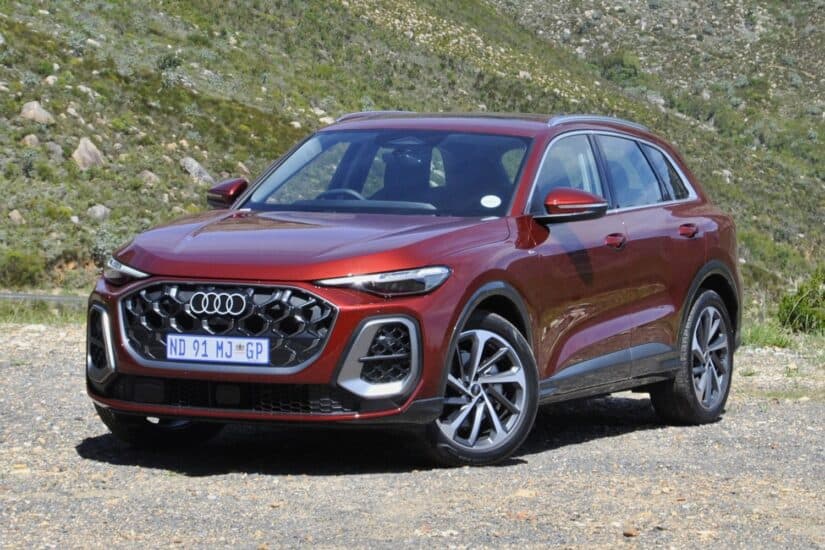
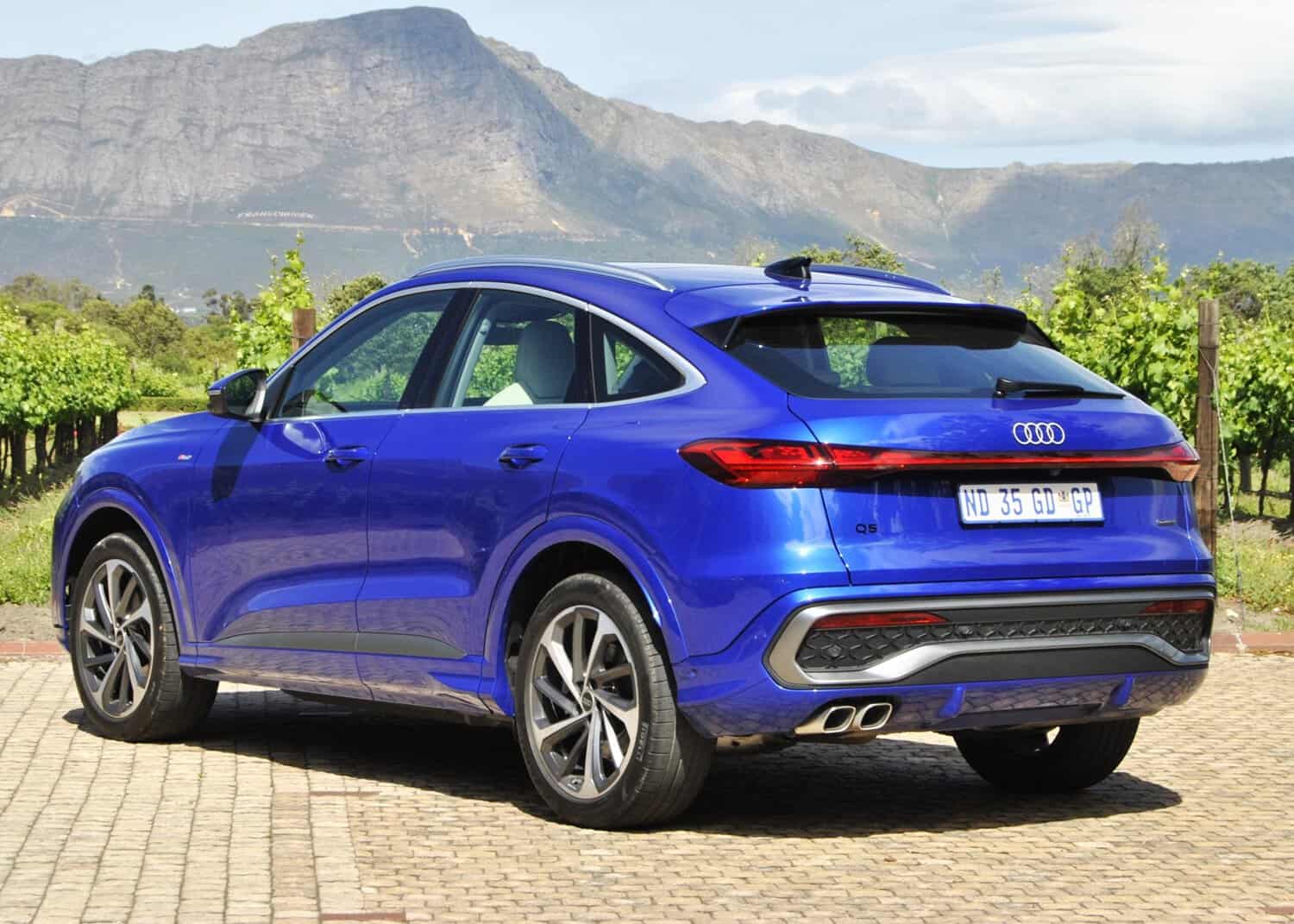
Third generation Q5 has finally arrived in South Africa. Picture: Charl Bosch


Audi’s second ‘Q’ model after the Q7, the Q5 has been nothing short of a runaway success for the Four Rings over its first two generations.
Sales success
Officially its best-selling model globally, a smidgen over 2.7-million units have been sold since 2008, with the original, which lasted from 2008 to 2017, accounting for 1.6-million units.
In total, South Africa’s contribution amounts to 19 500 examples, of which the original, which premiered in 2009, again proved to be most popular with an offset of 11 000 units.
Third chapter
First revealed two years ago, the third-generation Q5 has been a long time coming for a variety of reasons, the biggest being its popularity and the inability for the San José Chiapa plant in Mexico to keep up with demand.
The sole facility entrusted with Q5 production outside China, the launch of the Q5 in Cape Town last week also culminated in the debut of SQ5 which, as a result of considerable interest and only two launch examples, couldn’t be sampled as each was already snapped up.
Electrified diesel
Following its junior sibling, the Q3, the Q5 not only becomes the latest “Q” model to transfer to the premium platform combustion (PPC), but the first to introduce the new 48-volt mild-hybrid system called MHEV Plus.
Only available on the revised 2.0-litre turbodiesel engine, the system adds 18kW/230Nm for short spells and, for low-speed driving, allows the Q5 to be driven on the electric hardware for a short distance before the oil-burner kicks in.
Able to regenerate as much as 25kW, the electrical system sits within the seven-speed S tronic gearbox, which comes standard on all models, including the SQ5 that previously had an eight-speed Tiptronic.
Model range
As with the Q3, the Q5 has had its line-up trimmed to two trim levels apiece for the standard model, the Sportback and SQ5 as part of Audi’s product rationing to have a simplified model structure.
This means that on the Q5 and Q5 Sportback, only two trim variants are offered, S line and S line Black, while the SQ5 and SQ5 Sportback are available with or without the mentioned black appearance package.
As for the engines, both the Q5 and Q5 Sportback are equipped with the 2.0 TFSI shared with the A5 that produces 200kW/400Nm.
More curiously, the TDI, at launch, can only be had on the Sportback as a result of the bodystyle having proved more popular than its sibling since going on sale.
Along with diesel still accounting for the lion’s share of sales, its availably will, however, be supplemented by its expansion to the standard Q5 next year.
Minus the MHEV system, the TDI makes 150kW/400Nm, and not 500Nm as previously reported.
As with its sibling, the S tronic ‘box routes the amount of twist to all four wheels through Audi’s quattro four-wheel drive system. Claimed fuel consumption for the TDI is 5.1L/100km and 8.1L/100km for the TFSI.
Finally, the SQ5 keeps hold of the 3.0 TFSI V6, but with power and torque lifted by 10kW/50Nm to 270kW/550Nm.
In addition to the new transmission, the SQ5 also get from 0-100km/h quicker than before, with a sprint time of 4.5 seconds versus its predecessor’s 4.9 seconds claim.
While available as a plug-in hybrid under the TFSI e banner in Europe, Audi has confirmed that the new energy option is not on the cards for South Africa yet.
Practicality
For the first part of the route out of the Mother City along the N1 to Paarl, the Sportback was specified, with the final part, which involved the daunting Du Toitskloof Pass, involving the normal Q5 TFSI.
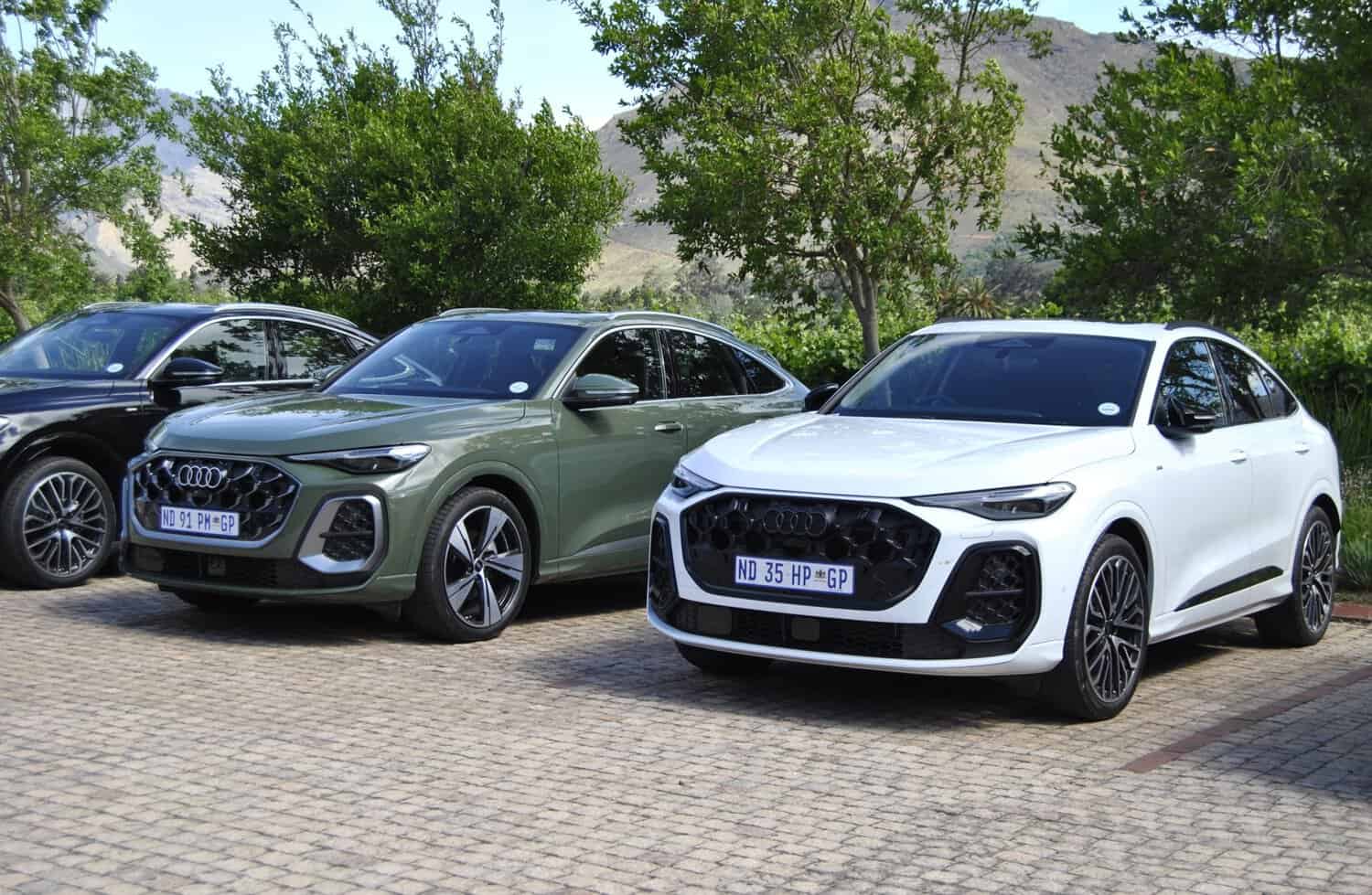
One of the more liberally optioned derivatives at the launch, the Sportback’s biggest visual difference, its lowered roofline and bustleback appearance, presents unsurprisingly sleeker than its sibling, hence its inherent greater popularity.
The trade-off, though, is less boot space that falls from 520 to 515-litres, and from 1 473 to 1 415-litres with the rear seats folded down.
Specification revisions
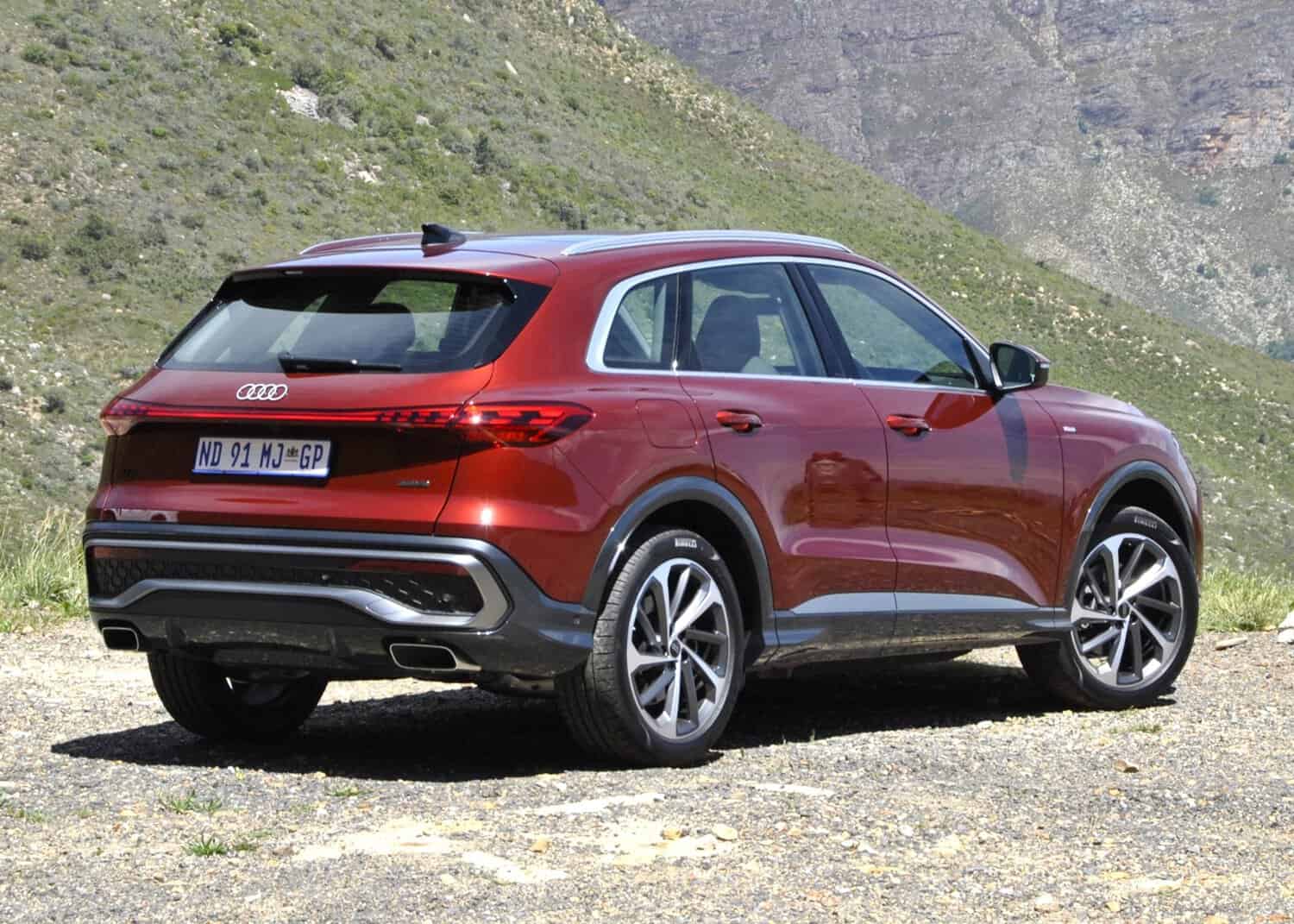
Further part of the model rationale, buyers have the option of eight alloy wheel designs between 20 and 21-inches, 10 exterior colours and LED headlights, with the Matrix LEDs and digital OLED taillights being cost options.
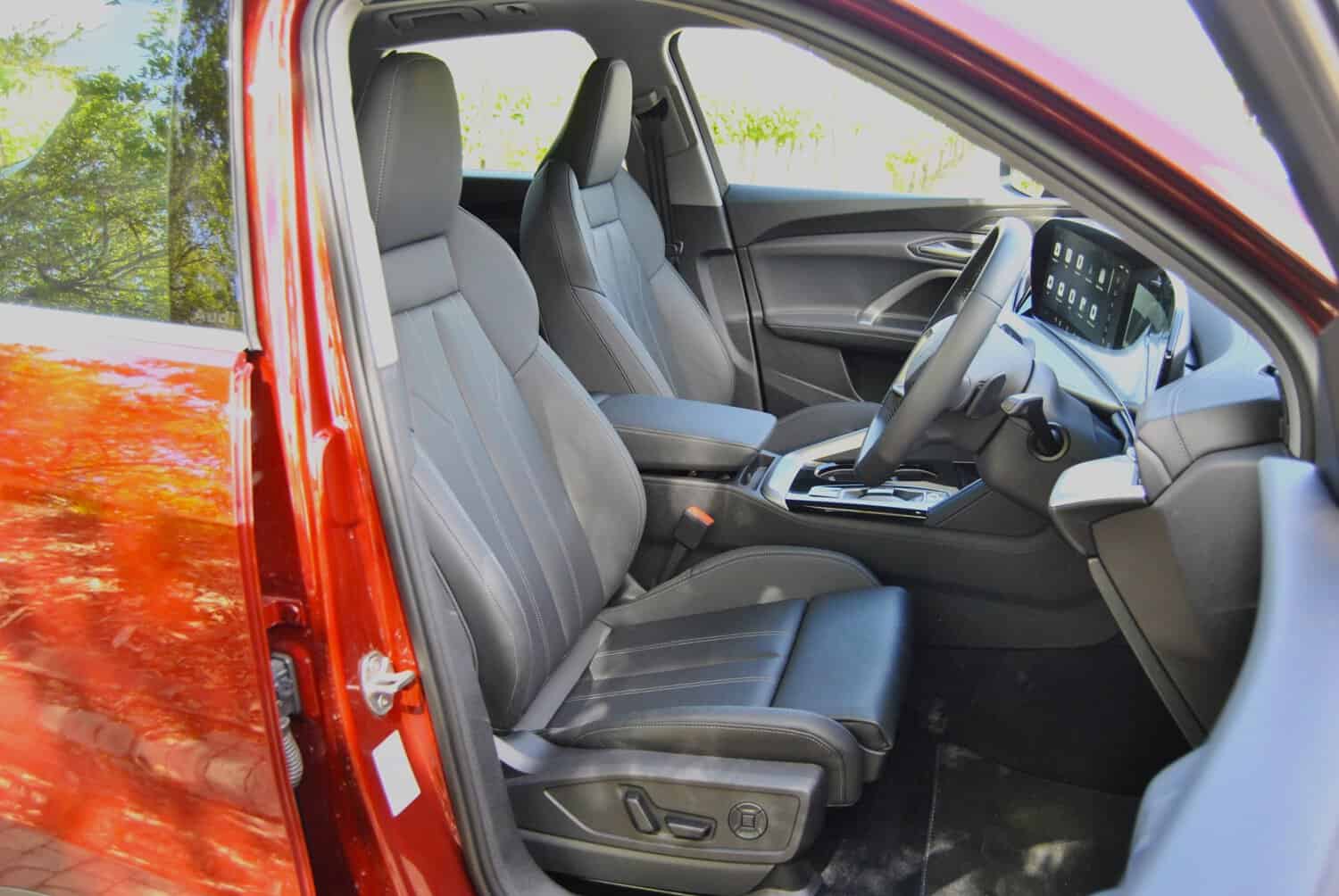
In addition, all Q5s have tri-zone climate control, electric sport front seats and a wireless smartphone charging pad. A panoramic sunroof is included on all models with the black pack.
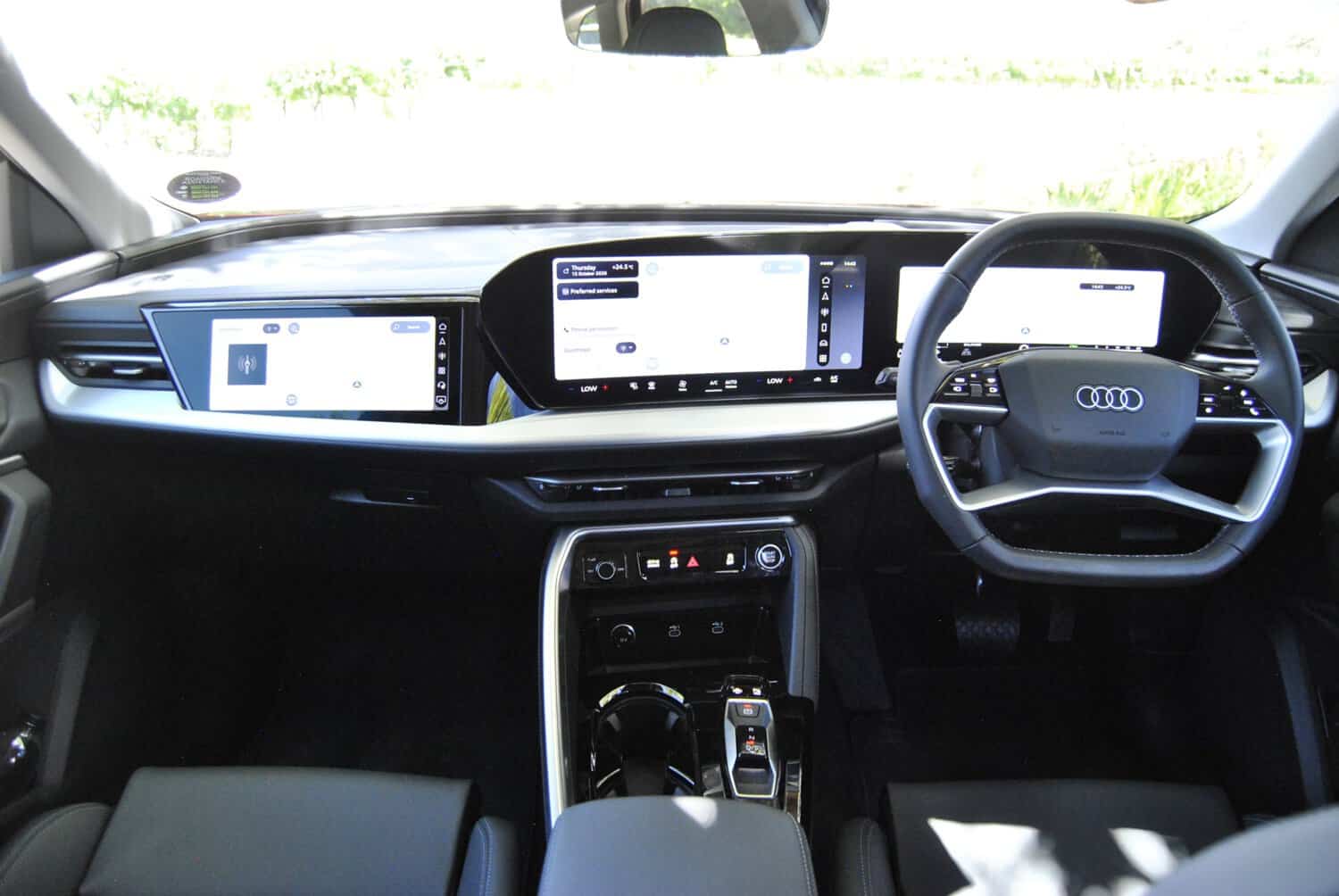
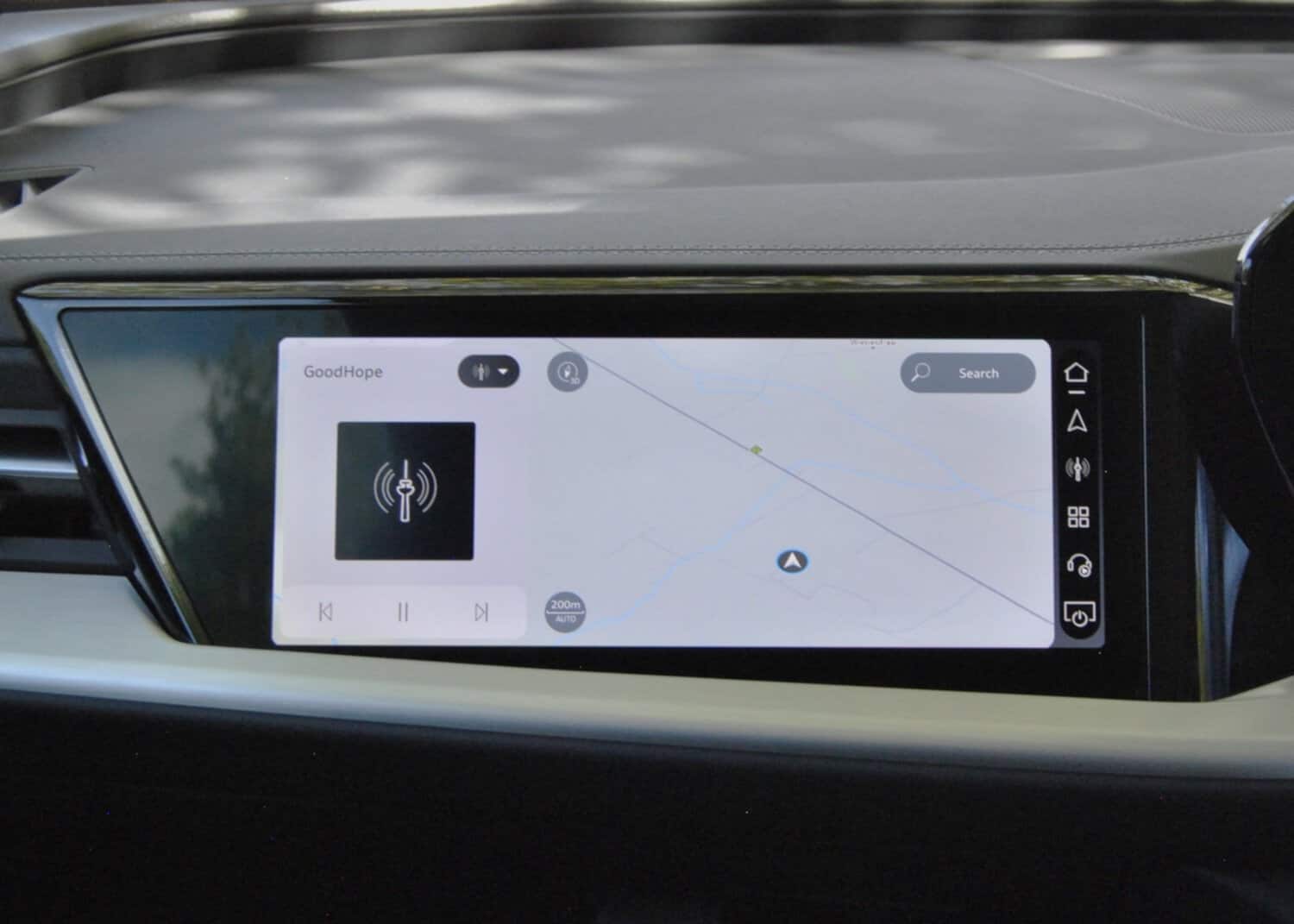
As with the Q3, buyers not wanting individual options can select from two bundled packages; the Tech Plus with the Matrix LED headlights,adaptive cruise control and lane change assist, and the Tech Pro made up of the OLED taillights, remote park assist, front and rear brake assist and the new 10.9-inch MMI display on the passenger’s side.
Regardless, standard safety and driver assistance tech across all Q5 and SQ5 derivatives comprises:
- 360-degree camera system;
- Adaptive Cruise Control;
- Front Brake Assist;
- Automatic Emergency Braking;
- Park Assist Plus;
- Exit Warning;
- front and rear Cross Traffic Alert
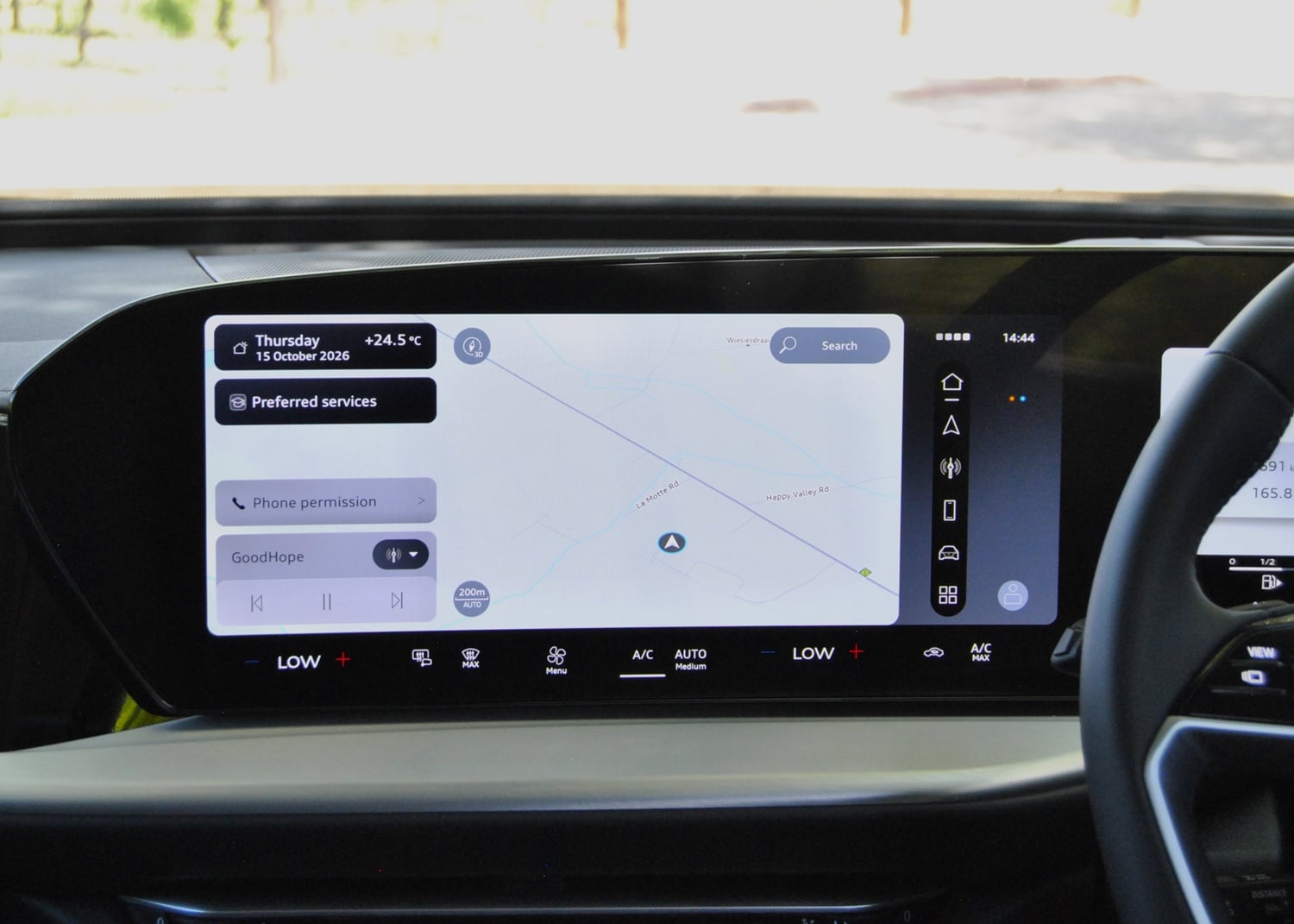
Shared with the Q3 and A5, the Q5’s interior gets the new curved dashboard housing the 14.5-inch MMI infotainment system and the 11.9-inch virtual cockpit display instrument cluster.
Although fitted with the same steering wheel as the Q3, the Q5 loses out on the multi-stalk levers behind the steering column, opting instead for traditional stalks for the indicators and headlights.
This means the column-mounted selector lever for the S tronic transmission falls away, replaced by a toggle switch on the centre console, while a physical volume knob sits below the central air vents to the right of the drive mode selector.
A setup not as complex as on the Q3, which benefits interior ergonomics; the cabin itself is typically Audi in fit and finish.
However, the shiny imitation aluminium inlays felt somewhat clunky and the piano key black trim on the centre console and around the displays is now decidedly out of fashion.
On the move
What impressed was comfort and surefootedness, not only as a result of the quattro system, but also the optional adaptive air suspension.
Supple in feel and able to raise the Q5’s ride height by 60mm, the Audi felt composed being flung through the Du Toitskloof Pass, without too much body roll or the ride becoming undone.
Given the mild-hybrid system, the 2.0 TDI proved just as surprising with a strong low-down pull and a relentless surge the higher the revs climb.
Quiet and refined when at its happiest cruising, the diesel’s match with the S tronic ‘box is effortless and smooth, and certainly worth it despite the sky high pump prices.
For the jaunt up the pass, and the rest of the journey, switching to the TFSI comes with a less eager response as the lack of the electric hardware and the diesel’s punch is immediately apparent.
Requiring some persuasion at first, the TFSI responds with a smooth delivery that soon becomes punchy and, unsurprisingly, sportier in feel than the TDI.
In addition to its roadholding manners, the Q5 also gets Audi’s new progressive steering system, which noticeably becomes harder the more it is turned for improved feedback.
Conclusion
While missing out on the SQ5 was at best a disappointment, the general verdict is that the prolonged wait for the third generation Audi Q5 has been worth it.
As with the Q3, its exterior treatment won’t be for everyone, while some of the interior’s trim execution is decidedly un-Audi considering its price tag.
A considerable overall step-up on the model it replaces, the Q5’s appeal remains, now heightened more than ever.
Price
Included with all models’ price tag is a five-year/100 000km maintenance plan.
Q5
- Q5 2.0 TFSI S line quattro S tronic – R1 295 000
- Q5 2.0 TFSI S line Black quattro S tronic – R1 350 000
- SQ5 – R1 510 000
- SQ5 Black – R1 565 000
Q5 Sportback
- Q5 2.0 TDI S line quattro S tronic – R1 275 000
- Q5 2.0 TDI S line Black quattro S tronic – R1 330 000
- Q5 2.0 TFSI S line quattro S tronic – R1 365 000
- Q5 2.0 TFSI S line Black quattro S tronic – R1 420 000
- SQ5 – R1 580 000
- SQ5 Black – R1 635 000