The five-day route started in KwaZulu-Natal and ended in the Eastern Cape via a trek up the Sani Pass and into Lesotho.
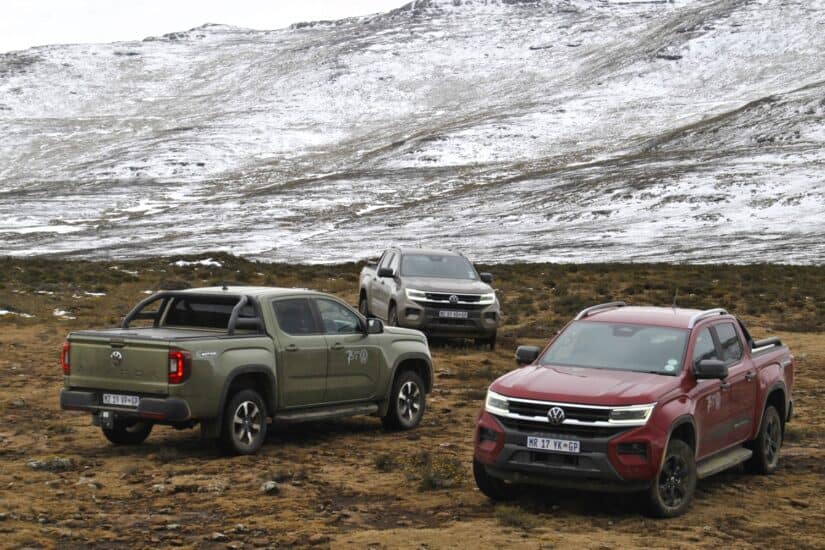
In the Lesotho snow after Sani. (L-R): Amarok 3.0 V6 PanAmericana (brown), Amarok 2.0 TDI Life (green) and Amarok 2.3 TSI PanAmericana (red). Picture: Charl Bosch


The current second generation Volkswagen Amarok has been around since 2022 and caused more controversy than the original upon its world debut in Cape Town.
While Wolfsburg’s first attempt at a bakkie made headlines for its initial controversial choice of a 2.0 litre diesel engine, this gradually faded with not only its premium promise, but more so with the arrival of the 3.0 TDI V6 in 2017.
Why that one?
Effectively the initiator of the premium bakkie segment, the second generation’s tie-up with Ford resulted in many seeing the darkest shade of red possible when the joint venture became public around 2019.
The announcement of the V6 making way for the same less powerful unit used in the Ranger also didn’t sit well, which led to the assumption that it would head the same way as the ill-fated Mercedes-Benz X-Class that used the Nissan Navara as a base.
Setting the record straight
Despite some criticism still being lobbed at it, Amarok sales haven’t nosedived and instead, easily breach between 350 and 400 units a month.
Made exclusively in South Africa alongside the Ranger at the former’s Silverton plant outside Pretoria, instead of the General Pacheco facility in Argentina, the Amarok followed its alliance partner by quietly receiving a line-up restructuring last month.
Rejig
Previewed months before at the Kyalami Festival of Motoring by the introduction of the 2.3 litre EcoBoost petrol engine, Amarok has also dropped the 2.0- itre bi-turbodiesel Panther engine from its line-up.
A switch implemented by the Blue Oval in April as part of its revisions to the Ranger, the local Amarok range now comprises three options: the single-turbo 2.0 litre Panther TDI, the EcoBoost badged as TSI and the 3.0 litre Lion turbodiesel V6.
Epic adventure
As a way of not only “launching” the updated line-up, but also to celebrate 75 years of Volkswagen in South Africa this year, The Citizen joined the brand on a five-day off-road trip called Amarok Adventure over 1 463km.
Starting in Durban, the route ventured into Lesotho and involved not only the iconic Sani Pass, but once back in South Africa, the Naude’s Nek Pass above Rhodes in the Eastern Cape.
From there, it would be off to Graaff-Reinet before finishing in Nelson Mandela Bay, albeit not at Volkswagen’s factory in the town formerly known as Uitenhage.
For the trek, three variants had been provided, the 2.0 TDI Life priced at R801 000, the 2.3 TSI PanAmericana stickered at R1 099 000, and the 3.0 TDI PanAmericana that carries a R1 190 900 price tag.
Day 1
Touching down in Durban, the first day was largely tarmac bound and involved a drive into the picturesque KwaZulu-Natal midlands via Pietermaritzburg.
Knowing that both the TSI and V6 would be in demand for the actual event starting on day two, an almost strategic move saw the Life being selected for the drive to Maritzburg and also for the ride up Sani.
While still the opener of the Amarok range, the single-turbo’s changes include a timing belt instead of a timing chain and the 10-speed automatic gearbox in place of the previous six-speed. Unchanged are its power and torque figures of 125kW/405Nm.
Day 2
Day two saw the start of the real adventure as, after less than 100km from our overnight destination, former Leisure Wheels editor and off-road maestro Danie Botha had us driving on gravel on the quickest route to get to Sani.
Here, the lesser powered Amarok had to work hard to keep up with the TSI and V6. Yet, it still performed admirably, as well as being compliant and comfortable on the varying route conditions.
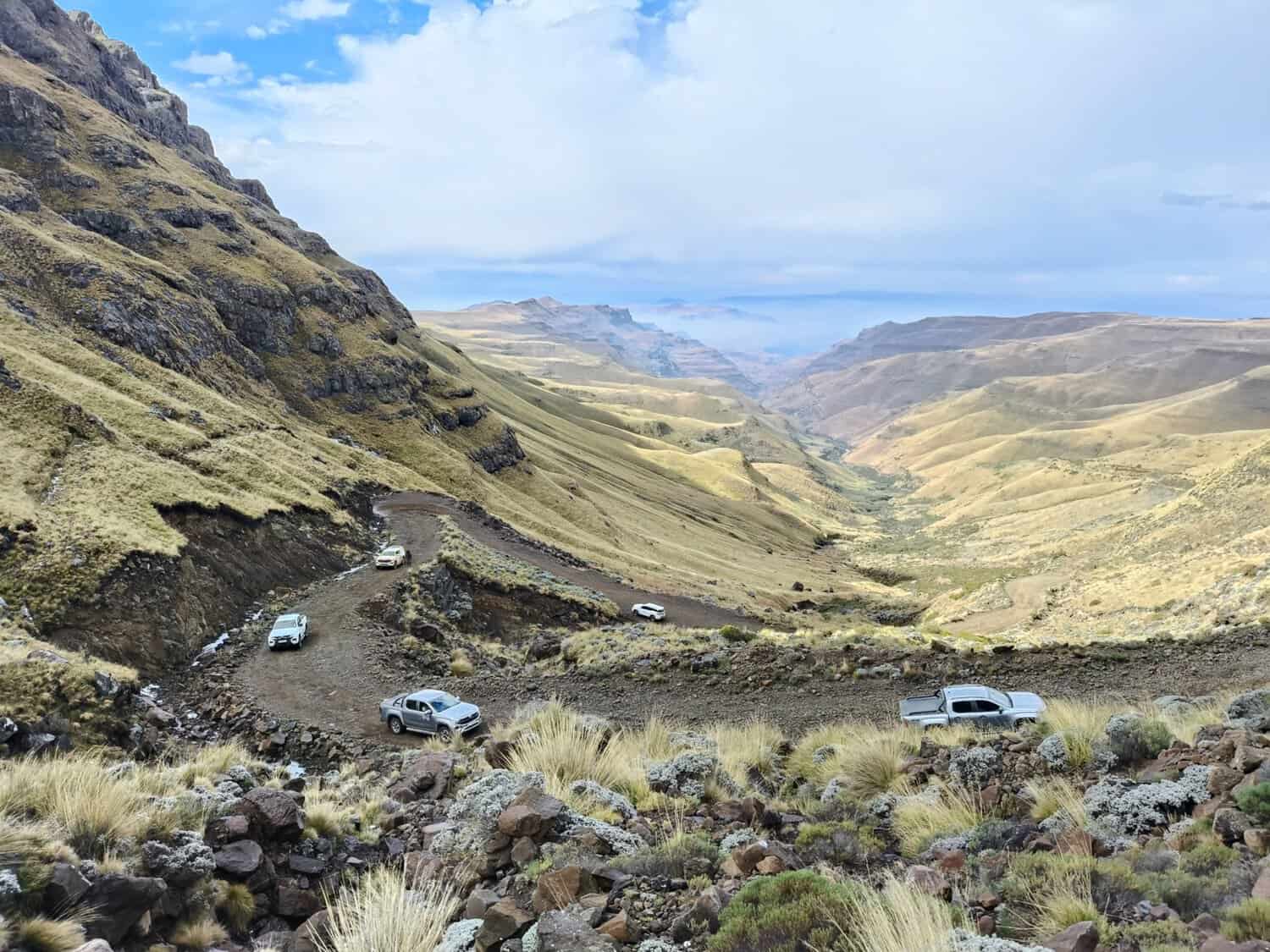
A short strip of tar then followed, including what was once the gravel section at the base of Sani leading up to the border gate on the South African side.
Passports stamped and sorted, the challenge of Sani beckoned for our convoy.
Heading higher and higher through the series of hairpins made for a breathtaking view, even more so as the rock faced walls soon started showing signs of ice.
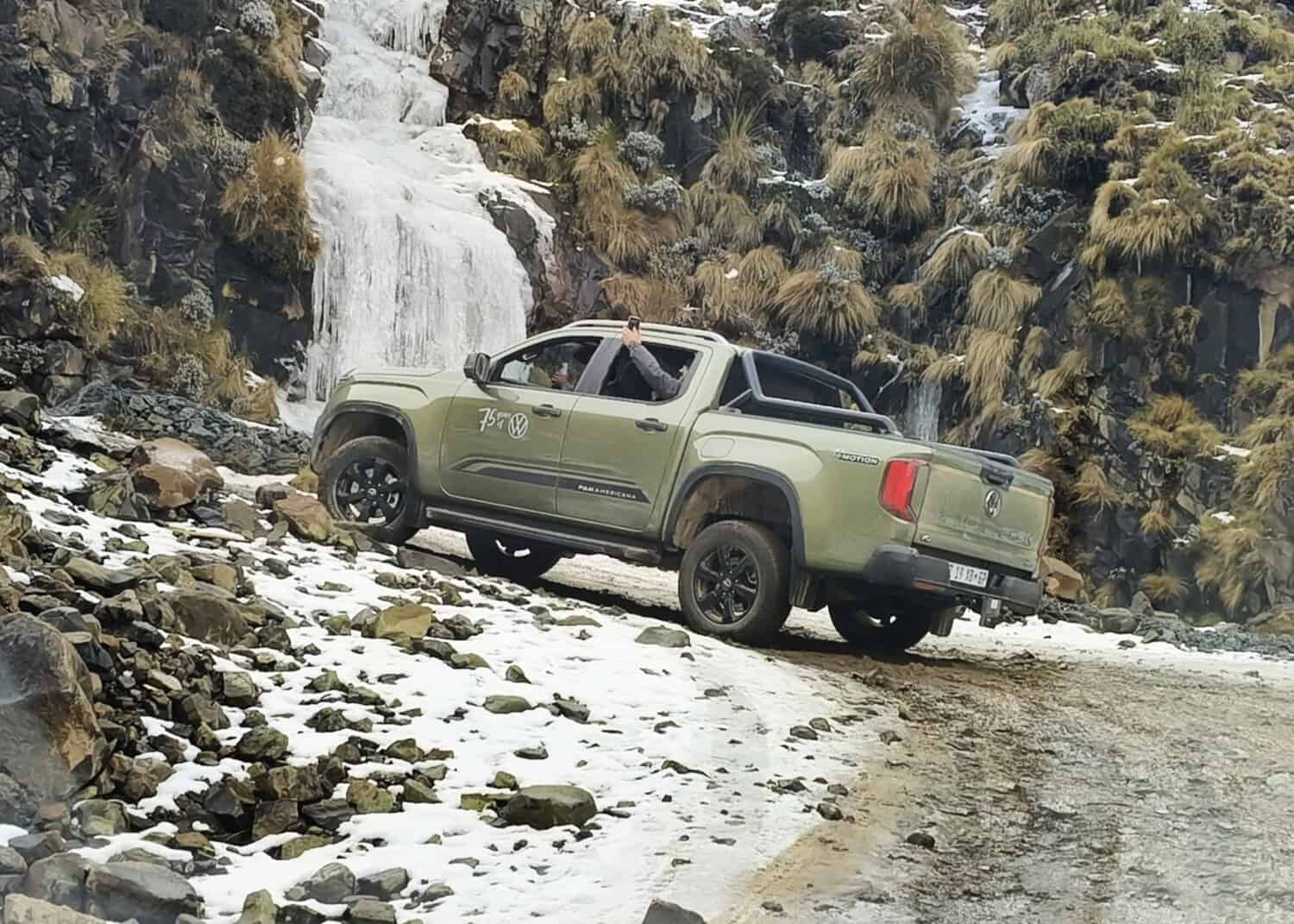
As per Danie’s recommendation, tyre pressures were dropped to 1.8 bar and low range four-wheel drive (4L) selected.
Whereas the TSI and V6 were said to have “sailed” up Sani, the TDI required more verve but wasn’t found to be struggling as expected.
At the summit of Sani, ice and gravel gave way to snow as the landscape, while having our passports stamped, turned into the proverbial winter wonderland.
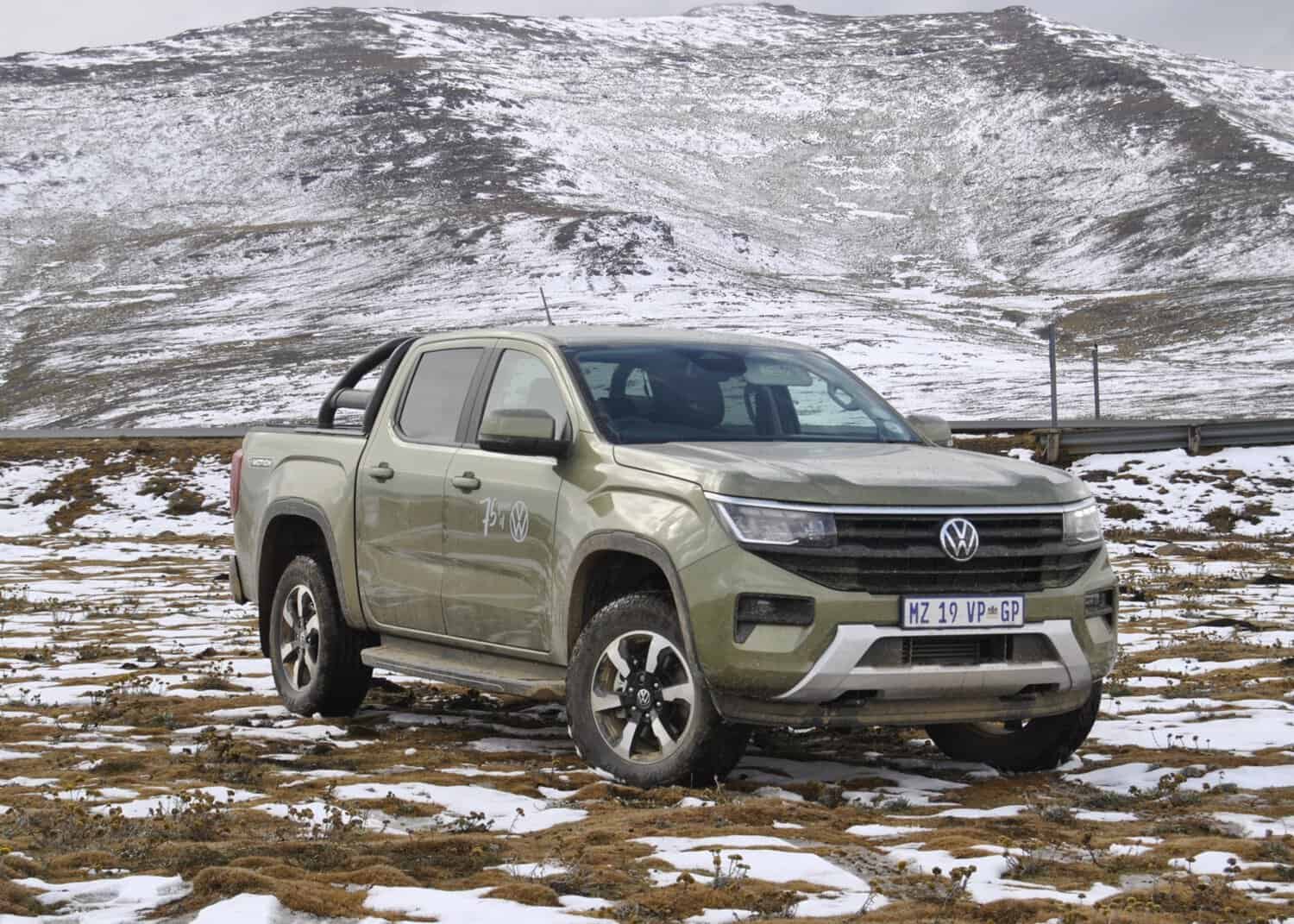
Once in Lesotho, we headed up Black Mountain Peak. Although a tarred road, high range four-wheel drive (4L) was selected to prevent a loss of traction.
Inevitably, the thick covering of snow brought everyone’s inner five-year-old out, leading to snowball fights at the peak’s summit.
Playtime over, we headed back down Sani, a task that tested not only the nerves, but also the Amarok’s brakes.
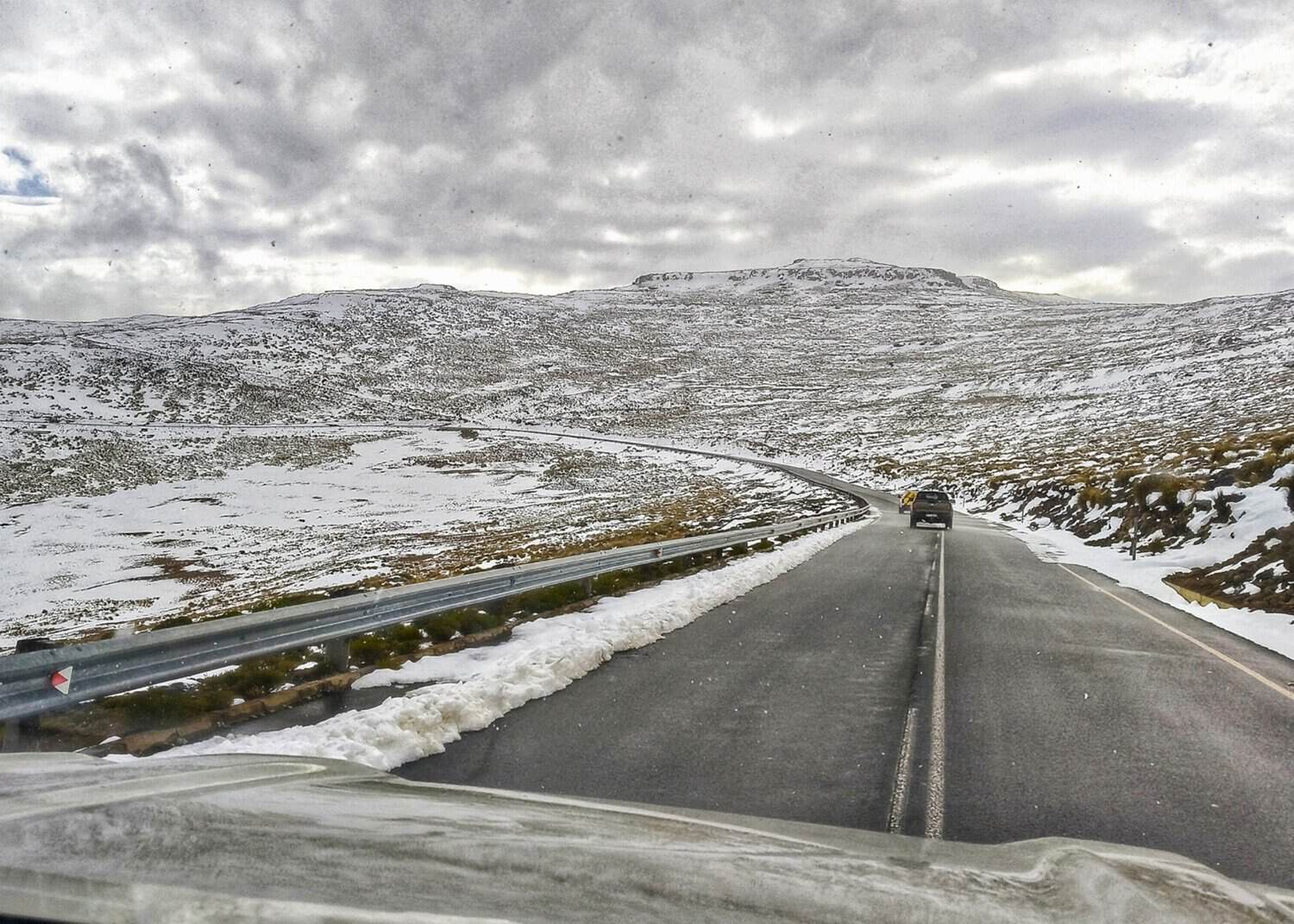
Whereas momentum on the gravel, slush and mud has been required going up, heading down was an even greater test of vehicle confidence.
Fortunately, no punctures, damage or misjudging of corners prevailed, and once through the border back into South Africa, our overnight accommodation had us preparing for the following day.
Day 3
Day three represented the final challenge as the route at the base of Sani would take us to our overnight halt in Barkly East.
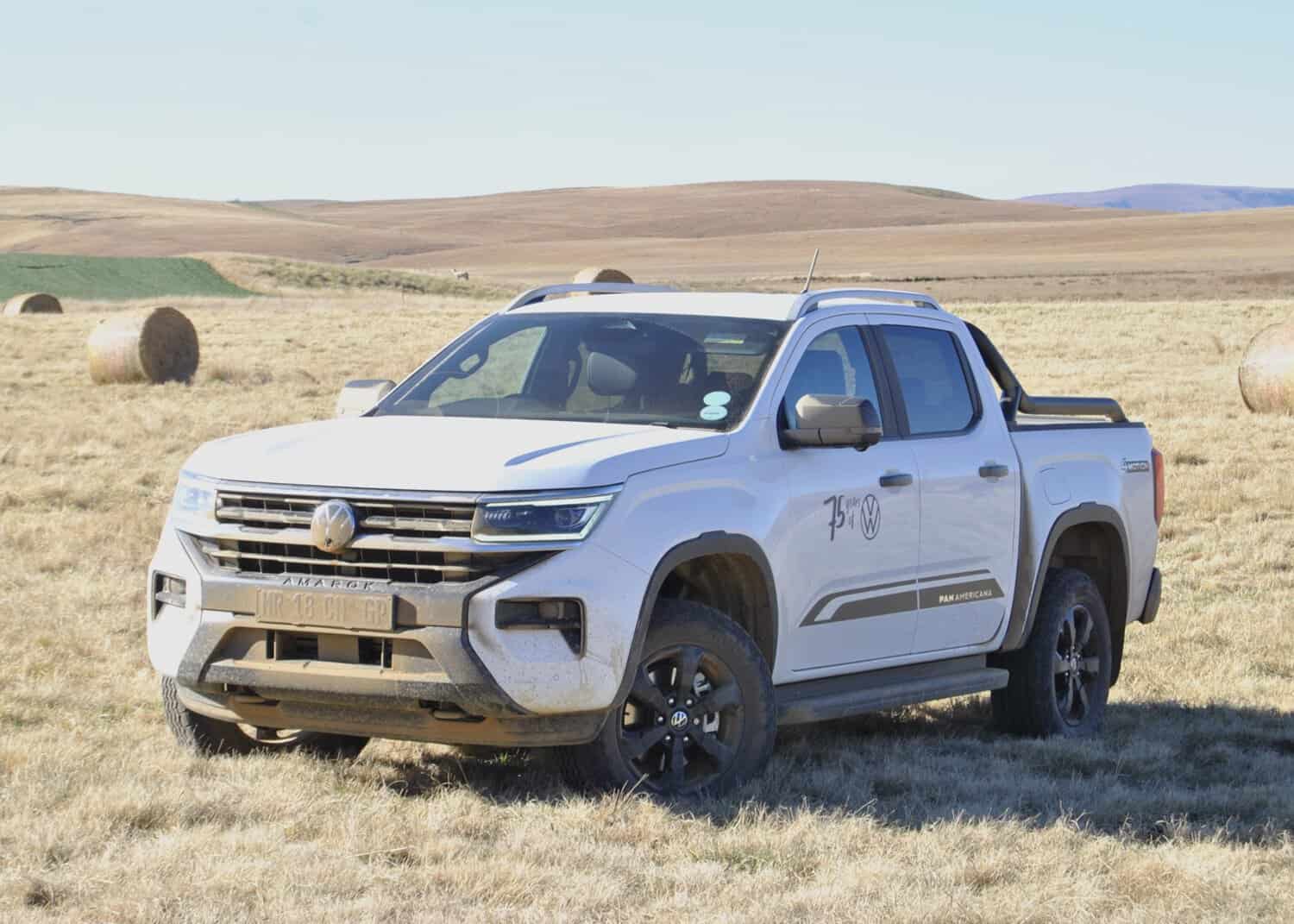
In keeping with the line-up progression from top to bottom, the TSI was opted for.
Billed as the sportiest Amarok in the absence of a real performance variant, the characteristics of the TSI initially left a bit to be desired.
As road test editor Mark Jones discovered testing both it and the Ranger at Gerotek, the engine lacks low-down punch and leaves the Amarok almost underpowered when setting off.
Hooking second and third gears, though, sees the turbo wake up with an almost unrelenting power delivery as the revs climb.
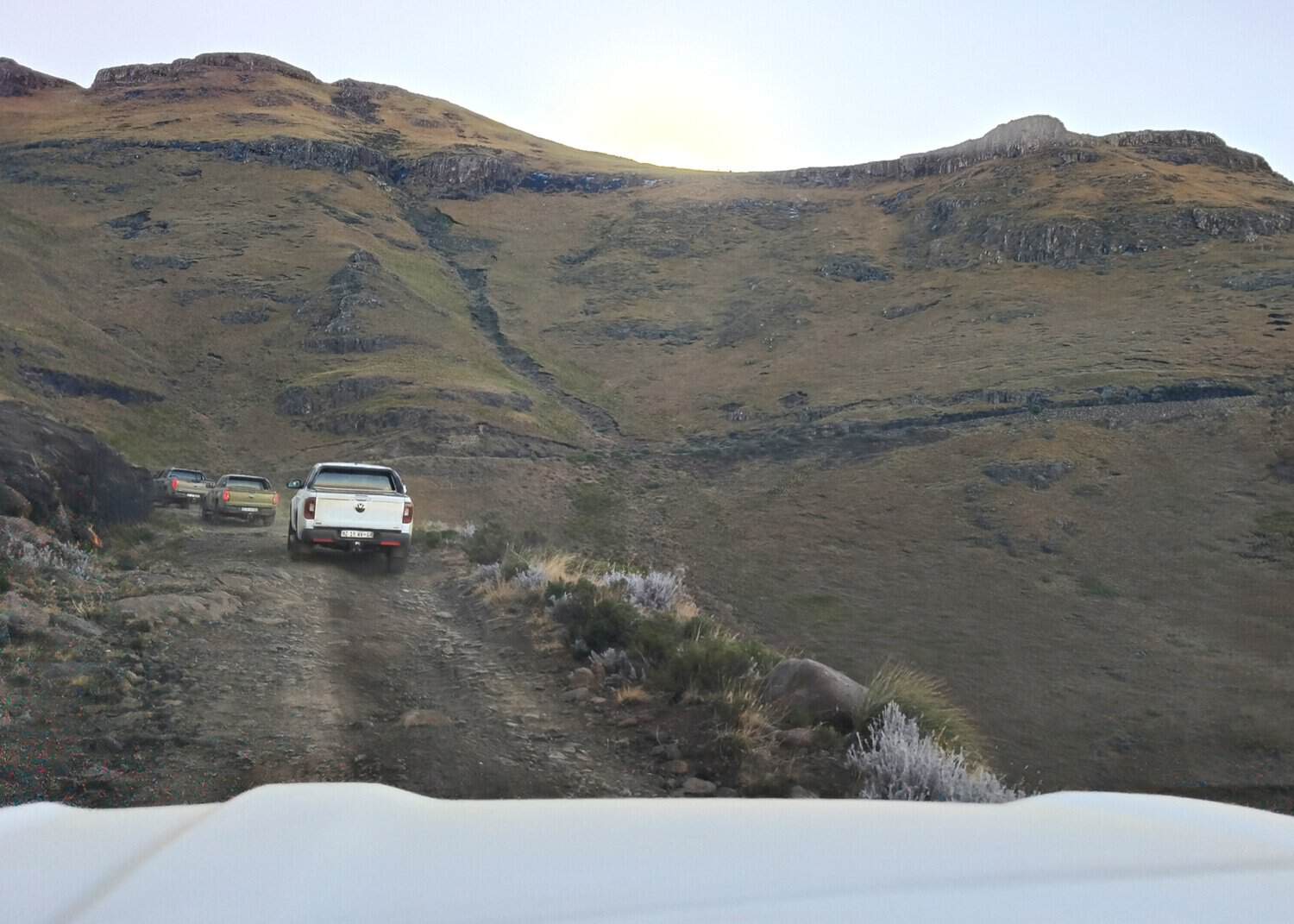
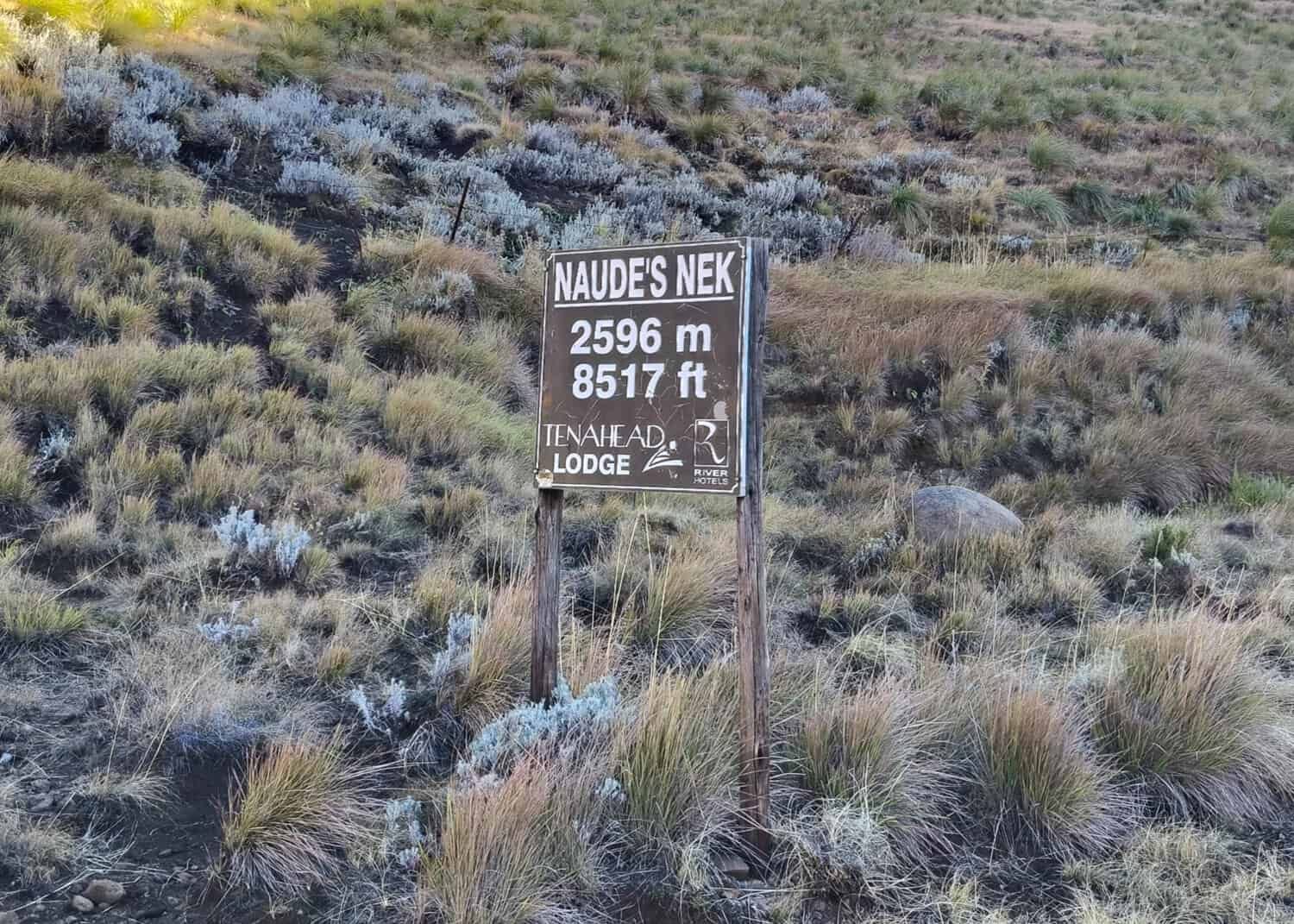
A trait exploited significantly on the tarred sections, the main highlight was the rutted and steep Naude’s Nek Pass, which, in its heyday, formed part of the Mountain Trial round of the national rally championship.
While unlikely to be traversed now by anything but a Rally-Raid vehicle, tackling the pass was slow going, as the lack of upkeep and seasonal rains had taken its toll in places.
With ice but no snow present, reaching the top as the sun started shying away made for an evocative sight when gazing into the valley below.
The trek down, which involved numerous hairpins and quick straights, reaffirmed why this section had been rally stage-certified.
As for the TSI, it felt lively once in the correct band and a worthwhile consideration over the TDI.
Day 4
Having let time get the better of us the previous day, as the route from Rhodes to our overnight halt in Barkly East had been in the dark, day four dawned cold and typically inland Eastern Cape breezy for the run to Graaff-Reinet.
With gravel driving over, we completed the range hierarchy by taking the keys to the V6 for what turned out to be a smooth bent-six diesel cruise through a landscape that had its own typical Karoo charm.
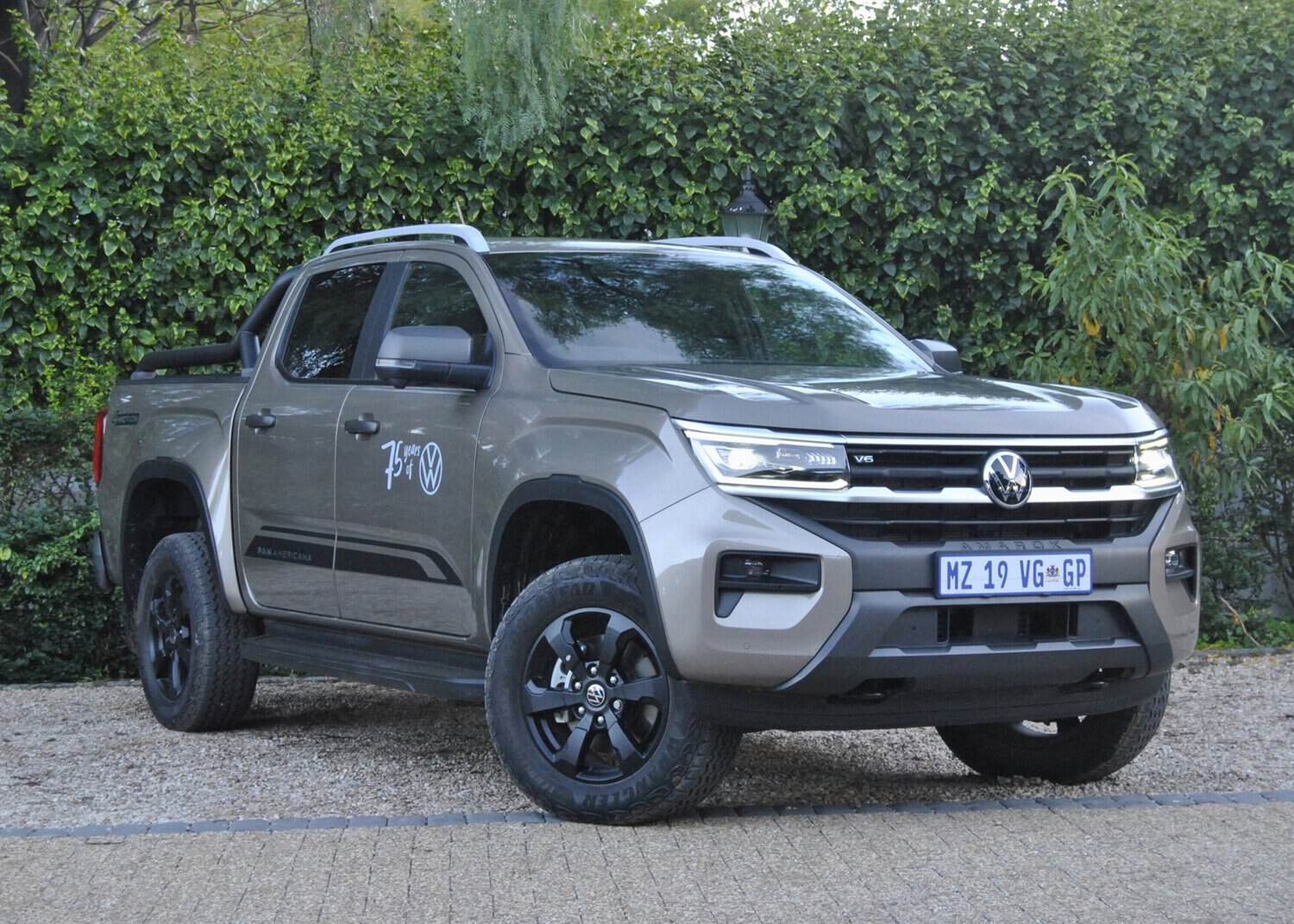
As much as “gunning” the V6 up the Lootsberg Pass outside Graaff-Reinet teased, the diesel isn’t as gung-ho as the TSI.
Instead, it powered up the incline with a soft rumble instead of the petrol’s all-out mid-range shove.
Day 5
The final day dawned as the shortest to what was previously known as Port Elizabeth.
Passing through Volkswagen’s hometown of Uitenhage and my childhood home of Despatch, the final stretch of less than 300km had one unexpected surprise.
In a full 360-degree move, we found ourselves back in the TDI for what should have been an uneventful drive.
No longer convoy-bound, two Volkswagen executives and I were soon faced with a problem less than 100km outside Uitenhage.
Perched on a precarious angle was a truck on the side of the road being secured by a tow truck that had been called to right a second 18-wheeler that had toppled over on its side a few metres back.
With the road blocked and our plane back to Johannesburg unlikely to wait, careful thinking and a fair amount of luck had to be relied on.
Nosing the Amarok off the road into the ditch on the side, we made it past the nose of the tow truck before being faced with the task of getting back onto the tar.
With 4H engaged and the traction control switched off, we gunned the TDI and managed to extract ourselves from a potentially tricky situation – and lots of images on social media laughing at us.
Nevertheless, the risk proved worth it as colleagues had to find alternative routes, resulting in them missing their scheduled flights.
The verdict
Highlighting what is seldom discussed about the country, the event once again showcased the beauty South Africa has and what gems it hides.
At the same time, it also shows the worth of the four-wheel drive as not simply urban transport, but a vehicle that will easily go the distance off-road.
With no accident or troubles throughout the five days, the Amarok surprised from base engine to top as not simply a rebadged Ranger, but a well-devised and different feeling package worthy of the Volkswagen logo on its nose.