






Internal democracy is not a luxury, but the first test of whether a political party understands accountability to voters.
 Elections 2026
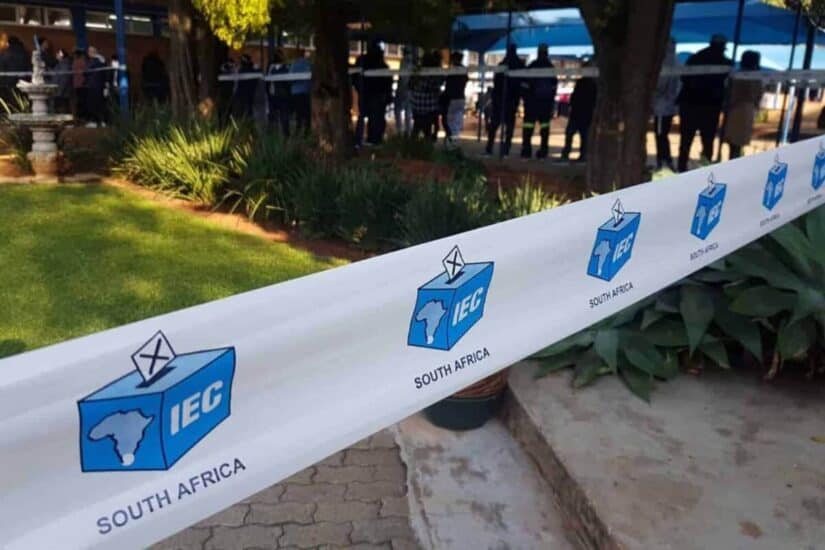
Voters queue during the 2024 national and provincial government elections. Picture: The Citizen


South Africans are often told that elections are the ultimate expression of democracy. That is true only up to a point.
A ballot paper can give voters a choice between parties, but it cannot repair what those parties have already broken internally. When candidate lists are manipulated, bungled or imposed, voters arrive at the polls after the most important choice has already been made for them.
That is why the lack of internal democracy within the uMkhonto weSizwe (MK) party is a direct disservice to the voter.

LIVE interactive map, latest news, multimedia and more!
View MapMK’s troubles are especially revealing because the party has presented itself as a corrective to the failures of the ANC.
Reports of disgruntled members protesting after allegedly discovering that locally preferred candidates had been replaced on lists submitted to the Electoral Commission of South Africa are, fundamentally, an attack on the democratic process.
The party itself has acknowledged that allegations of manipulation strike at the integrity of its processes and the democratic will of its members.
Internal democracy is not a luxury reserved for conference halls and constitutions. It is the first test of whether a political party understands accountability.
Candidate selection determines who will sit in council chambers, who will allocate attention to service delivery failures and who will answer when residents complain about water cuts, potholes, housing backlogs or corruption.
When lists are altered behind closed doors, the voter is denied the chance to support representatives rooted in the community. Instead, the public is asked to trust a process it did not see and candidates it did not choose.
The ANC’s list debacle carries a different, but equally serious, democratic cost.
The party’s failure around candidate submissions has reportedly placed scores of candidates at risk and could leave it without full representation in some municipalities if the Electoral Court does not rescue the situation.
The numbers may be contested in political spin, but the basic fact remains: administrative failure by a party can narrow voter choice before voting day even arrives.
For a party with the ANC’s history, resources and institutional experience, that is not a technical mishap to be brushed aside. It is a breach of duty.
Voters do not owe parties endless forgiveness for internal chaos. Parties ask citizens to believe that they can run municipalities, manage budgets, oversee officials and deliver basic services.
But before they can govern the public, they must govern themselves.
A party that cannot submit a clean list on time, or cannot protect the outcomes of its own nomination process, gives voters advance notice of the disorder likely to follow in office.
MK and the ANC should, therefore, resist the temptation to treat these controversies as public relations problems. Investigations, court papers and press briefings may be necessary, but they are not sufficient.
What voters deserve is transparency: who changed what, who failed to do what, who benefited and what safeguards will prevent a repeat.
Anything less tells citizens that their role is to cheer, vote and keep quiet while political elites decide the rest. These moments matter because they show whether parties see voters as citizens with agency, or as numbers to be mobilised.
On election day, voters will be asked to make serious choices about the future of their municipalities. Political parties should have the decency to ensure that those choices are genuine.
The MK’s internal democracy problem and the ANC’s list debacle both fail that test.



