The media personality faces charges of discharging a firearm in a public place and pointing anything likely to lead a person to believe it is a firearm.
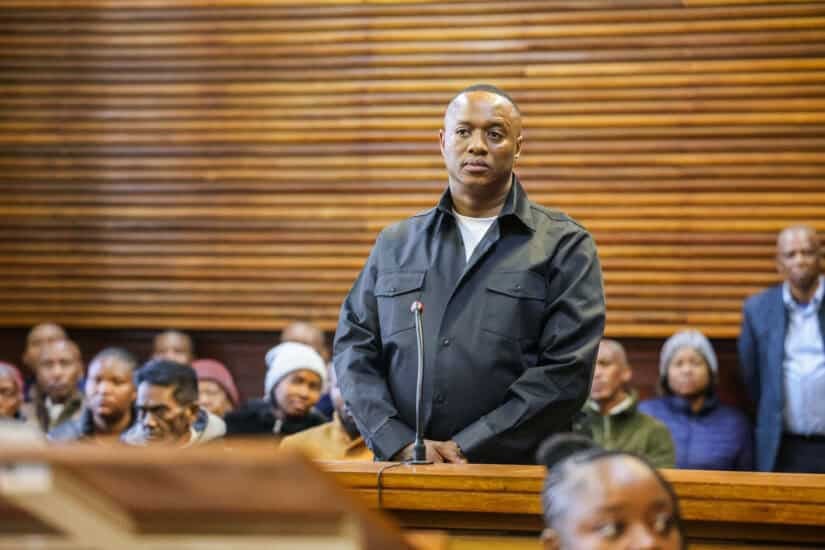
Molemo “Jub Jub” Maarohanye (45) appears at Germiston Magistrate’s Court on June 22, 2026 in Germiston, South Africa. It is reported that the musician and TV personality faces charges of kidnapping, unlawful discharge of a firearm and defeating the ends of justice after confronting an e-hailing driver in Edenvale. (Photo by Gallo Images/OJ Koloti)


The Gauteng Director of Public Prosecutions (DPP) has declined media personality Molemo “Jub Jub” Maarohanye’s bid for an alternative resolution in his firearm cases, confirming that prosecution will proceed.
Maarohanye appeared before the Germiston Regional Court on Friday in connection with an alleged altercation with an e-hailing driver in Edenvale in June.
DPP declines Jub Jub bid for alternative resolution
He allegedly accused the driver of being involved with his partner, removed him from his vehicle, and fired a shot in his direction.
Maarohanye faces charges of discharging a firearm in a public place and pointing anything likely to lead a person to believe it is a firearm.
During the investigation, authorities seized a pellet gun from his residence.
In court, the state revealed that the office of the DPP turned down the accused’s request for an alternative dispute resolution in his matter.
Sufficient evidence and reasonable prospects of successful prosecution
National Prosecuting Authority (NPA) spokesperson Magaboke Mohlatlole said the decision came after careful consideration of the representations submitted by Maarohanye’s legal team.
“The DPP’s Office is of the view that there is sufficient evidence and reasonable prospects of a successful prosecution,” Mohlatlole said.
“The representations were therefore unsuccessful, and the criminal prosecution against Maarohanye will proceed.”
Maarohanye’s legal representative informed the court he intended to escalate the representations to the office of the National Director of Public Prosecutions (NDPP).
The Germiston Regional Court subsequently postponed the matter to 23 November for the outcome of those representations.
“The decision to decline the representations reaffirms the NPA’s commitment to making prosecutorial decisions based on the available evidence and the applicable law, without fear, favour, or prejudice,” Mohlatlole said.