Along with a reworked exterior, the most dramatic change has been to the NX's interior.
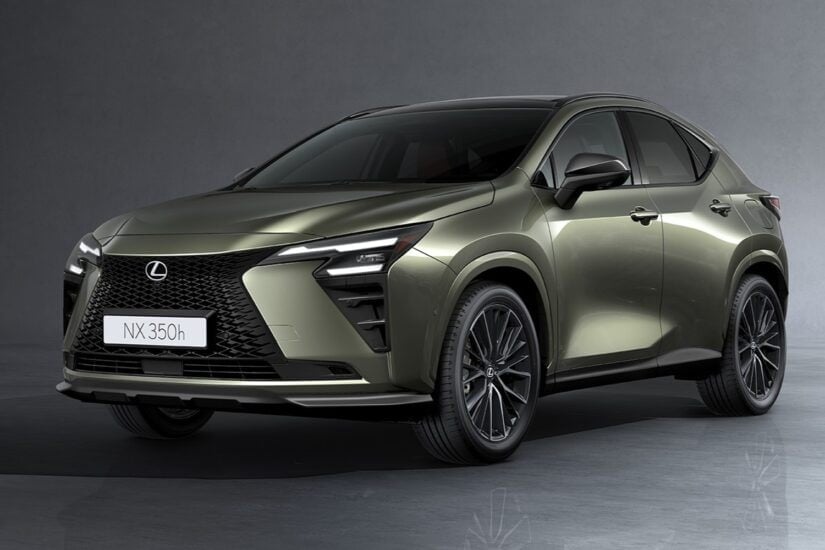
Revealed five years ago, Lexus has officially unveiled the facelift NX. Picture: Lexus


Having debuted five years ago as its then entry-level model, a role since taken by the LBX, Lexus has officially removed the wraps from the facelift NX.
A model of which 1.9-million units have been sold globally, the NX becomes the latest Lexus to receive its Clean Tech x Elegance styling language, albeit renamed to Vital x Tech.
Underneath
Still based on the TNGA-K shared with the Toyota RAV4, Lexus has kept the overall dimensions unchanged, but revised the NX’s chassis with new suspension towers and shock absorbers, revised electric power steering and a new ECU.
In addition, the body’s’ actual structure is more ridged than before, the accelerator and brake control systems new and the optional Adaptive Variable Suspension on certain variants also revised.
Finally, the engine across all models have been redesigned and added reinforcements made to the floor-mounted crossmember that has increased rigidity by 25%.
Externally
Aesthetically, the incorporation of the Vital x Tech touches still sees the prominence of the Spindle Grille. However its design is new, as are the LED headlights with standard Auto High Beam Assist, the LED daytime running diodes, front bumper and side vents.
Riding on new alloy wheels ranging from 18 to 20-inches, the NX also receives new side moulds on the doors, while at the rear, the light clusters receive new graphics and the corporate Lexus logo is replaced by a block LEXUS badge.
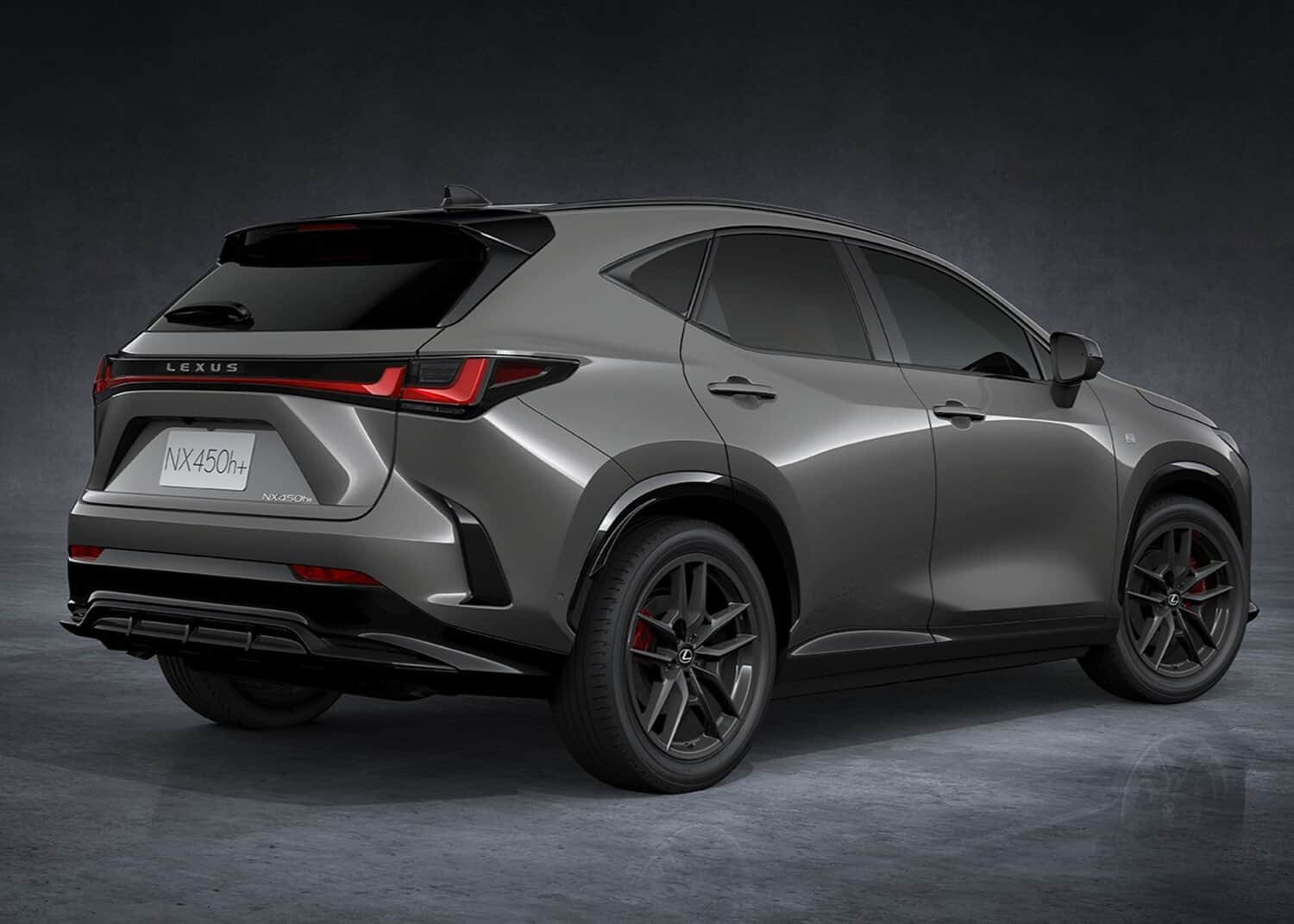
An illuminated light bar running between the light clusters across the width of the tailgate rounds the exterior’s change off, along with two new colour options: Sonic Tellus and Sonic Platinum.
Topping the range once again, the F Sport additionally receives 20-inch alloy wheels, black finishes on the roof rails, door sills and bumper, red brake calipers and new exclusive colour option called Titanium Carbide Grey.
ES-inspired interior
Substantially more prominent are the changes inside where the NX now derives heavily from the ES.
Along with the new steering wheel devoid of the L-shaped logo, the centre console has been freshened up to accommodate a few physical buttons, as well as a new toggle gear selector.
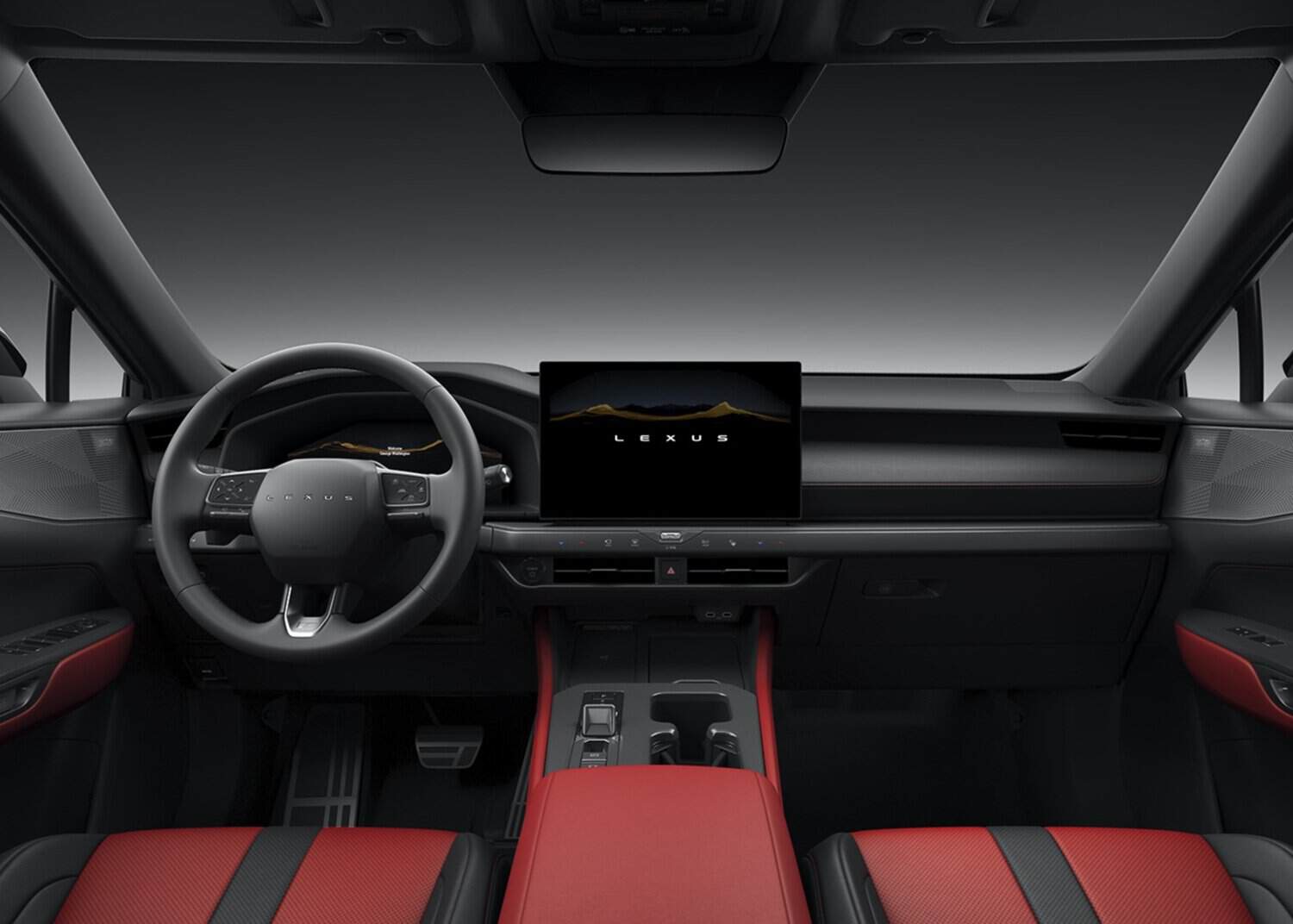
In addition to a new dashboard, most of the functions now reside within the new 14-inch infotainment system lifted from the ES, while touch-sensitive ‘buttons’ below the central air vents control the climate control.
Also changed is the 12.3-inch digital instrument cluster, while new addition include a fragrance dispenser, improved ambient lighting, new materials and colours options, and a Mark Levinson sound system with 17-speakers.
Hybrid take prominence
In Europe, four trim levels have been confirmed: Business, Executive, Luxury and F Sport, with a choice of three powertrains.
For base NX 300h, the combination of the normally aspirated 2.0-litre petrol engine and electric hardware produces a combined 145kW, which goes to the front wheels through a CVT.
Moving up to the NX 350h, which is available with front-wheel drive or all-wheel drive, sees the inclusion of the 2.5-litre petrol outputting a combined 180kW in combination with the electric motor and battery.
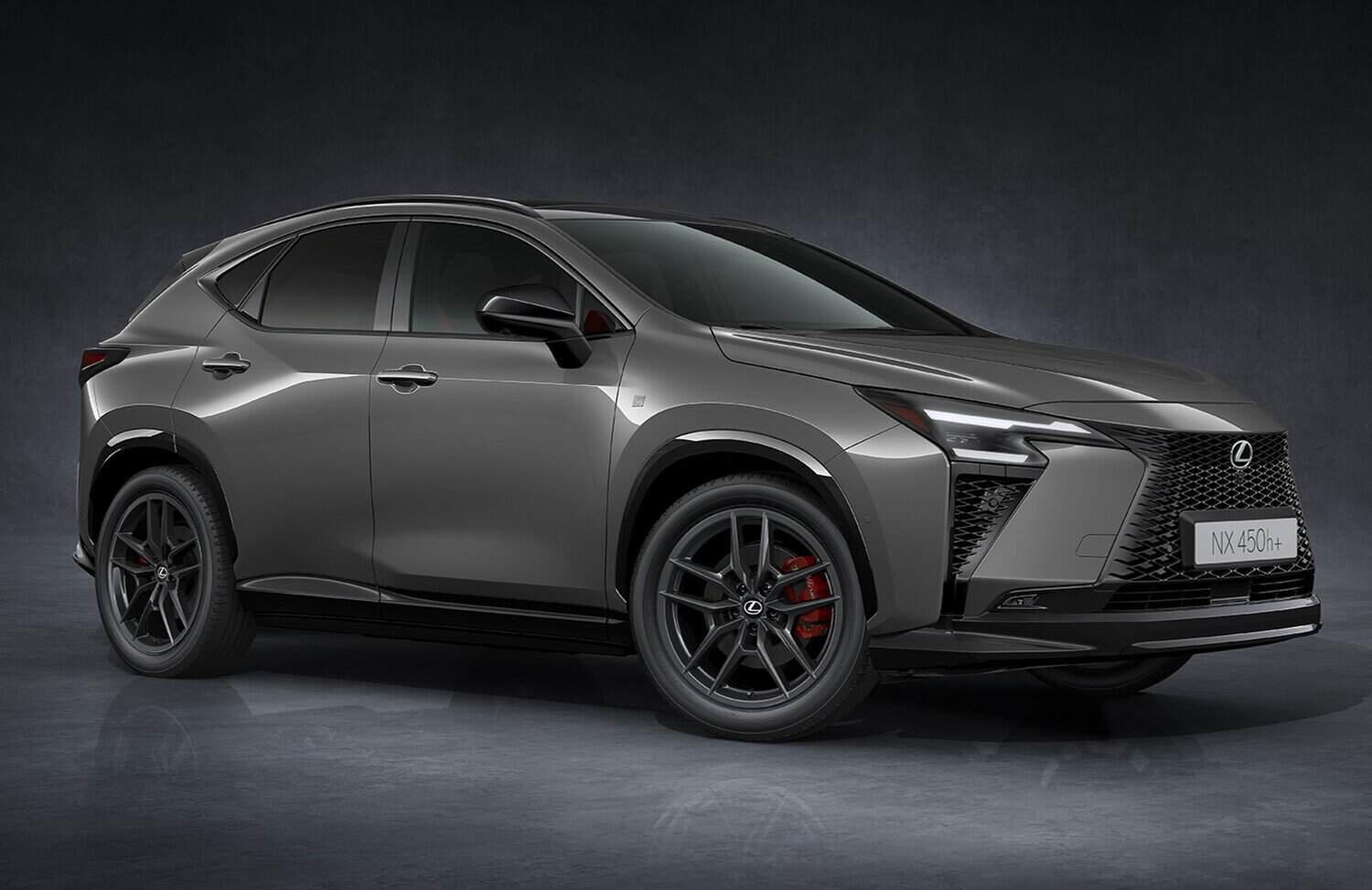
Available solely with all-wheel drive, the plug-in hybrid NX 450+ receives a larger 23-kWh from the previous 19-kWh, which in combination with a single electric and the 2.5-litre engine, results in a total output of 240kW. The claimed all-electric range is 100km.
Outside Japan, North America and Europe, Lexus will reportedly still offer the NX with a conventional combustion engine, namely the 2.4-litre turbo-petrol that made 206kW/430Nm in the pre-facelift NX 350.
Approval for South Africa awaited
Going on sale before the end of the year in key markets, Lexus South Africa has yet to confirm the facelift NX for the local market.
However, should this happen, expect it to possibly only arrive in early 2027.