
Recent allegations involving senior journalists have raised concerns about ethics and accountability in South Africa's media landscape.
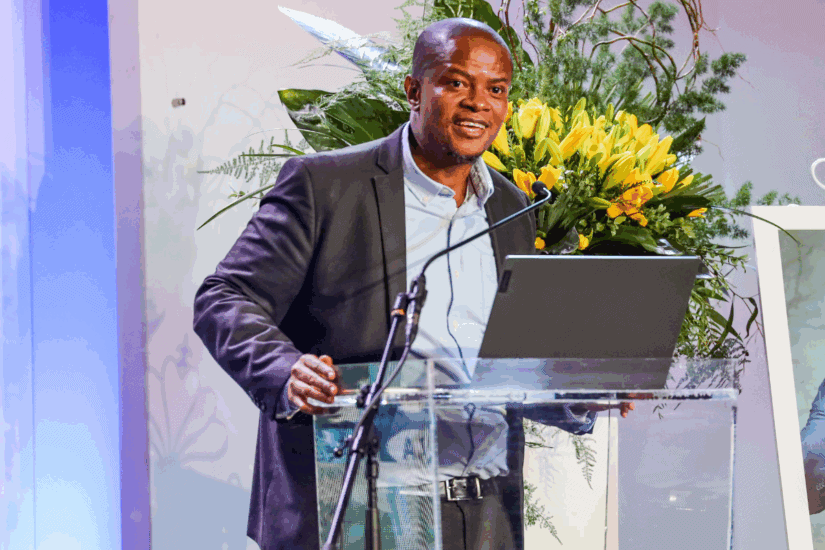
Sunday Times editor Makhudu Sefara has been placed on special leave after the Special Investigating Unit revealed that R550 000 in National Lotteries Commission grants were “diverted into his company’s account. Picture: Gallo Images/OJ Koloti


South Africa’s media sector has increasingly been mired in corruption allegations involving journalists, raising concerns about accountability, ethical conduct and public trust.
This week the profession was rocked by Special Investigating Unit (SIU) revelations that R550 000 in National Lotteries Commission (NLC) grants were “diverted” into Sunday Times editor Makhudu Sefara’s company, Unscripted Communications, in 2018.
SIU findings trigger media ethics concerns
Sefara, who has been put on “special leave” and stepped down as SA National Editors Forum chair, said that at the time he received the funds he was running a private firm.
He said his company had delivered as it had run a training workshop for 50 journalists in Johannesburg and that evidence of this was availed to the SIU.
Further concerns reportedly relate to Sefara’s tenure as editor of Sunday World, which received R24.7 million in NLC funding between 2020 and 2022 at a time when the entity was plagued with corruption and mismanagement.
The SIU revelations come in the wake of the SABC placing journalist Natasha Phiri on precautionary suspension after testimony at the Madlanga Commission of Inquiry revealed she allegedly received R500 from suspended police sergeant Fannie Nkosi in exchange for contact information of blogger Musa Khawula.
In November, The Citizen revealed the SABC was investigating two political journalists accused in a formal complaint of helping shield Ekurhuleni mayor Nkosindiphile Xhakaza from scrutiny for alleged corruption and tender irregularities.
The complaint alleged the journalists leveraged newsroom influence in exchange for municipal communications tenders.
While none of the allegations have yet been proved, there are concerns the cumulative effect is damaging to an industry battling declining public confidence.
‘Betrayal of public trust’
Anticorruption activist Tebogo Mashilompane said the allegations have intensified debate around the erosion of public trust in the media, particularly as journalists are expected to act as watchdogs against corruption and abuse of power.
He said corruption, whether in government or within the media, undermined democracy and erodes public confidence in key institutions.
“These allegations, if proven true, represent a direct assault on media independence, ethical journalism and the constitutional right of South Africans to access truthful and transparent information.
“Such conduct would not only constitute a betrayal of public trust, but could amount to corruption of the highest order,” Mashilompane, leader of Forum for South Africa, said.
He said South Africans deserved a media that speaks truth to power, not one that protects it.
Call for accountability and transparency
Toby Chance, DA spokesperson on trade, industry and competition, said public trust in the media required the highest ethical standards.
He said the editor of the Sunday Times and the chair of Sanef are both pivotal roles in the South African press landscape.
“The seriousness of these allegations warrants urgent and transparent scrutiny, stressing that public confidence in the media depends on accountability and adherence to the highest ethical standards,” Chance said.