Security and criminology experts say police should meet zama zamas and hear them out, as miners could become valuable in solving case.
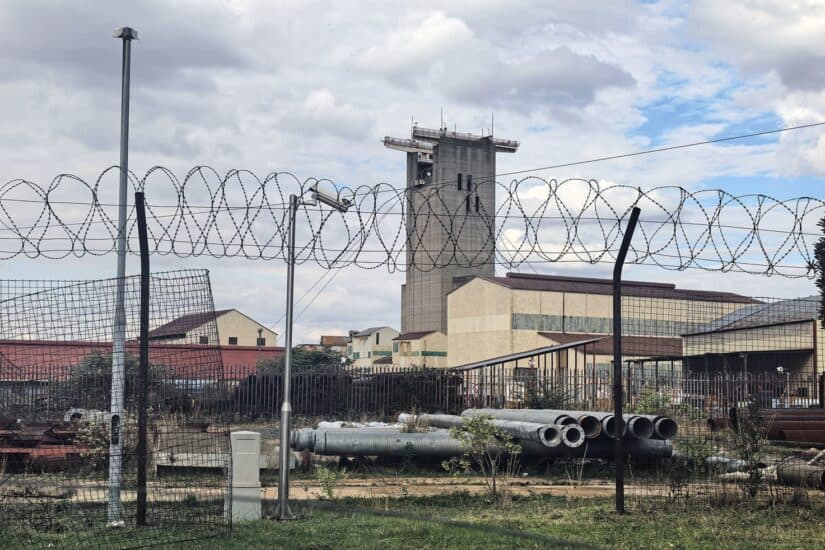
Kloof Gold Plant 1 at Westonaria has been identified as the source of conflict behind the Wedela tavern shooting that left 18 people dead. Picture: Nigel Sibanda


Police should engage with zama zamas who have offered information that could help identify the perpetrators of the Wedela mass shooting in Carletonville, security and criminology experts say.
This call comes after illegal miners said they were willing to assist police in identifying those responsible for the shooting, which recently left 18 people dead and several others injured.
Zama zamas willing to assist police
Parliament’s portfolio committee on police chair Ian Cameron said police should take seriously any information that could help identify the suspects.
“Taking their information seriously does not mean endorsing illegal mining, or excusing criminal conduct,” Cameron said.
“The information must be tested and corroborated, not simply accepted because someone claims to know who the killers are.”
He said where people feared approaching local police because of alleged corruption, provincial leadership should arrange direct and secure contact with investigators outside the local station.
“People should not be pushed back towards officers they have specifically implicated,” he said.
Cameron said if a person wanted in connection with the shooting was located in Lesotho, police, the National Prosecuting Authority and the department of justice should coordinate with their counterparts there.
Police should take any information seriously – Cameron
“Extradition should be pursued where the evidence and legal requirements support it,” he said.
Institute for Security Studies security expert Willem Els said police should meet the illegal miners and hear them out.
“It’s good that people are willing to come forward,” Els said.
He said the miners could become valuable in solving the case.
Prof Kholofelo Rakubu, a criminologist at Tshwane University of Technology, said the information should not be dismissed because it came from illegal miners.
“The question is not whether the source is involved in lawful or unlawful activities, but whether the information supplied is credible, specific, verifiable and capable of advancing the investigation,” Rakubu said.
Criminologist stresses that cooperation shouldn’t amount to immunity
She said speculation about possible illegal mining conflicts should not be treated as fact without evidence.
Rakubu said police investigations often relied on people operating within or close to criminal networks, where secrecy, loyalty and fear can make such networks difficult to penetrate.
“Sometimes the person with the most useful information about a criminal network is another person within that environment,” she said.
However, she stressed that cooperation should not amount to immunity from prosecution, or legitimise illegal mining.