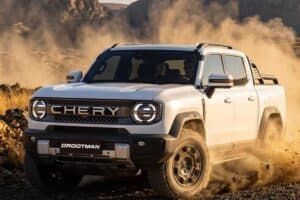
H7 retains a unibody platform, but now underpinning the in-vogue boxy design with 210 mm of ground clearance and petrol, hybrid and plug-in hybrid powertrains.
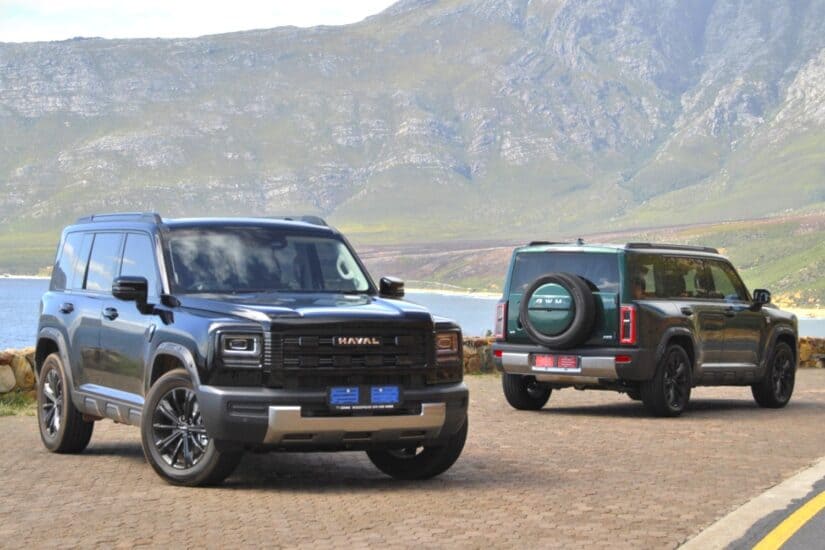
New Haval H7 now uses the Chinese market Raptor as its base. Picture: Charl Bosch


Out of all the vehicles in the Haval product range, the H7 has been one of the slowest sellers since Great Wall Motors (GWM) debuted it in South Africa two years ago.
Big Dog but not top dog
While unsurprising on the one hand as it had been the flagship model above the Jolion and H6, GWM South Africa has indicated that the H7’s pricing wasn’t the reason for buyers opting to stay away.
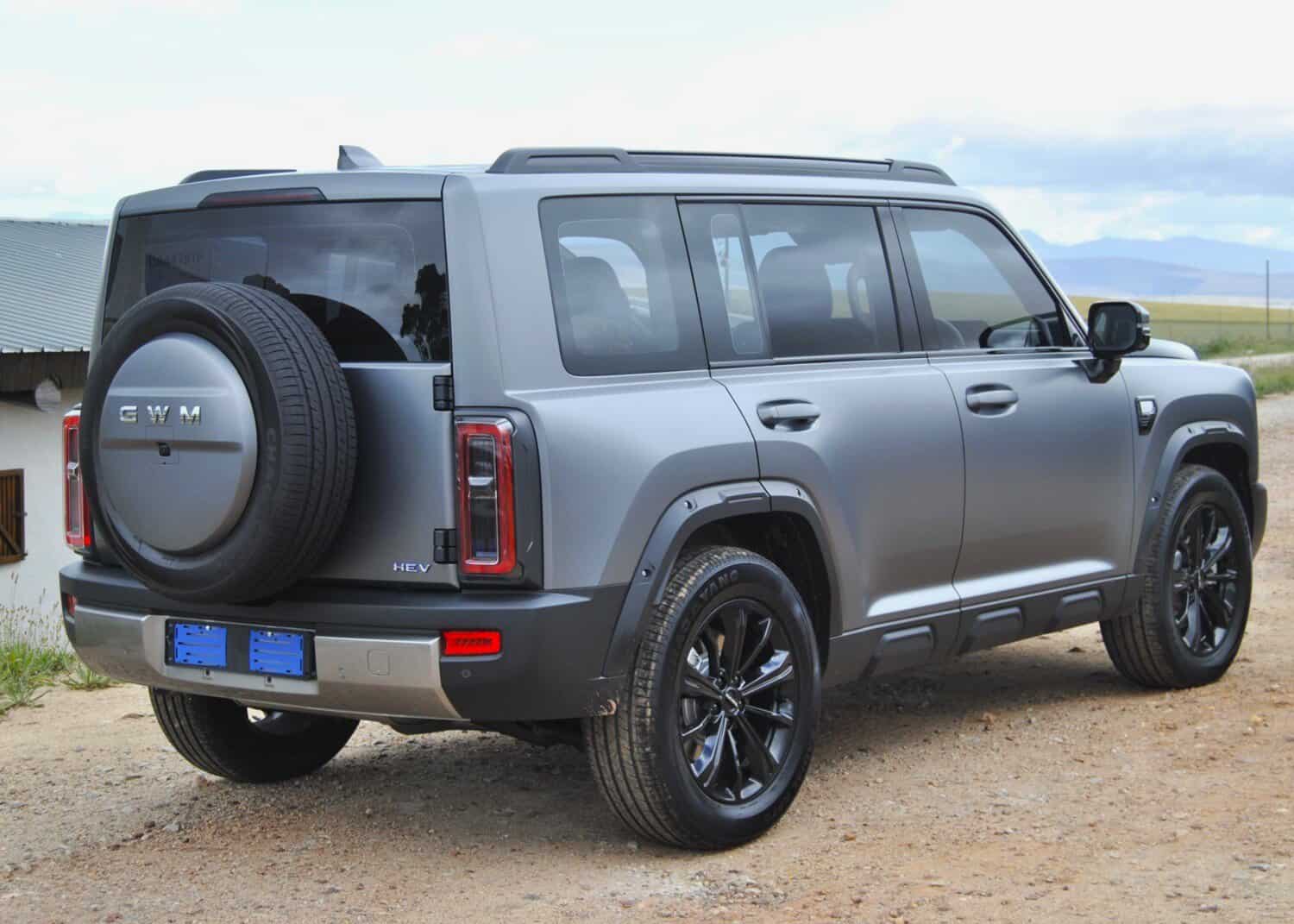
Instead, the model known as the Haval Big Dog in China was viewed as too aesthetically different from other products and therefore not as universally accepted as the more traditionally styled Jolion and H6.
Additionally, the Big Dog didn’t appear rugged enough and, while lacking little on the specification front, didn’t have the appeal Baoding had expected.
Enter the Raptor
Announced earlier this year, the new H7 made a surprise public debut at the Kyalami Festival of Motoring in August, but in the capacity of a totally different model.
Now based on the Haval Raptor that went on-sale in China three years ago, the second generation H7 adopts the now in-vogue boxy exterior design, yet still retains a unibody platform.

A change that sees it gunning directly for the runaway success Jetour T2, the tall and upright H7 also offers a wider range of derivatives and powertrains, one being a first-time hybrid with either one or dual electric motors.
Supposedly addressing the issues that plagued its predecessor, the H7’s launch in the Western Cape last week involved an extensive drive from Somerset West to as far as the inner Cape Winelands over Sir Lowery’s Pass before a rendezvous in Cape Town via Hermanus, Kleinmond and Gordon’s Bay.
More than a different model
Officially priced at a dealer conference in Johannesburg before the media drive in the same week, the H7 once again seats five, but unlike its predecessor, gains on all but one dimensional front.
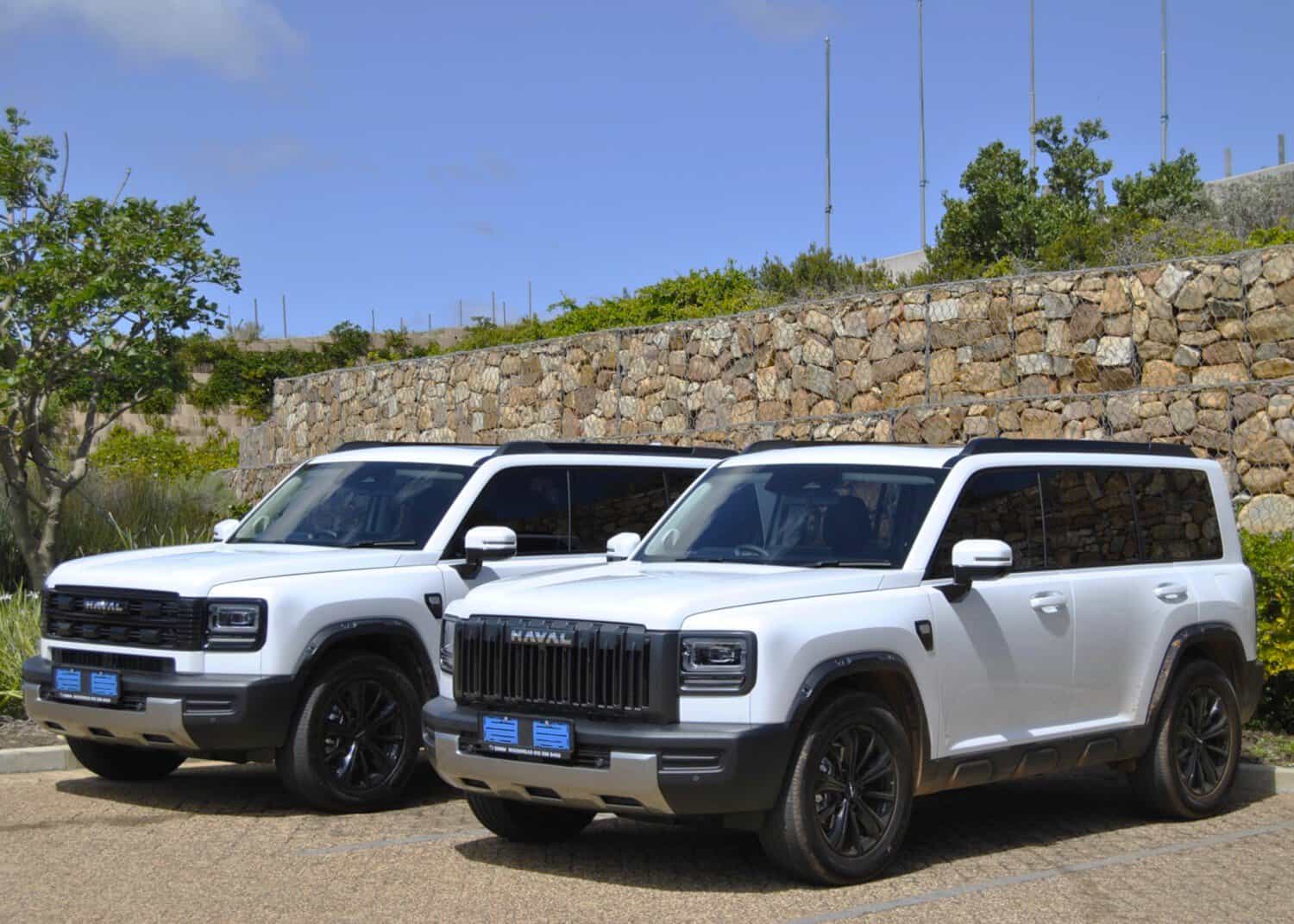
At the same time, GWM has differentiated it further, fitting the conventional petrol-powered model with a vertical slat slotted grille and hybrid models with a horizontal grille resplendent with rectangular inserts.
In both instances, the grilles are painted black and complemented by black 19-inch alloy wheels across all derivatives, along with black roof rails and a colour-coded cover for the spare wheel, which, as on the T2, is now affixed to the tailgate.
Dimensions
Dimensionally, the H7’s proportions have resulted in it being 107 mm longer, 42 mm wider and 63 mm taller than the Big Dog-based model.
Although the ground clearance is unchanged at 210 mm, its wheelbase decreases by 72 mm, while the claimed wading depth is a claimed 580 mm. The claimed payload rating is 500 kg.
The boxy design, but lack of an electric tailgate, does translate into more boot space with 586–litres now available with the rear seats up, expanding to 1 404–litres with the 60/40 split rear back folded down.
Petrol, HEV and PHEV
On the model front, the previous Super Luxury and Ultra Luxury trim levels remain, but spread across six models instead of the previous three.
Starting the range off, the conventional combustion-powered H7 carries over its predecessor’s 2.0 T-GDI engine, replete with the same 170kW/380Nm outputs.
Although available in both trim grades, only the Ultra Luxury has the option of front-wheel drive or four-wheel drive, as the Super Luxury only comes with two-wheel drive.
As before, drive is routed through a nine-speed dual-clutch gearbox, with GWM claiming respective fuel consumption figures of eight-litres per 100 km and 8.8 L/100 km.
Demoted from the flagship powertrain to the middle offering, the self-charging hybrid or HEV has had the outputs from the 1.5 T-GDI engine decreased, but with the inclusion of a larger 1.53-kWh battery pack powering a single 130kW/295Nm electric motor.
Paired to a two-speed Dedicated Hybrid Transmission (DHT), the setup develops three kilowatts and 10 Nm more than before, with a total output of 182kW/540Nm.
Claimed to have a combined consumption of 5.3 L/100 km, the HEV only comes in Super Luxury guise and with drive going to the front wheels.
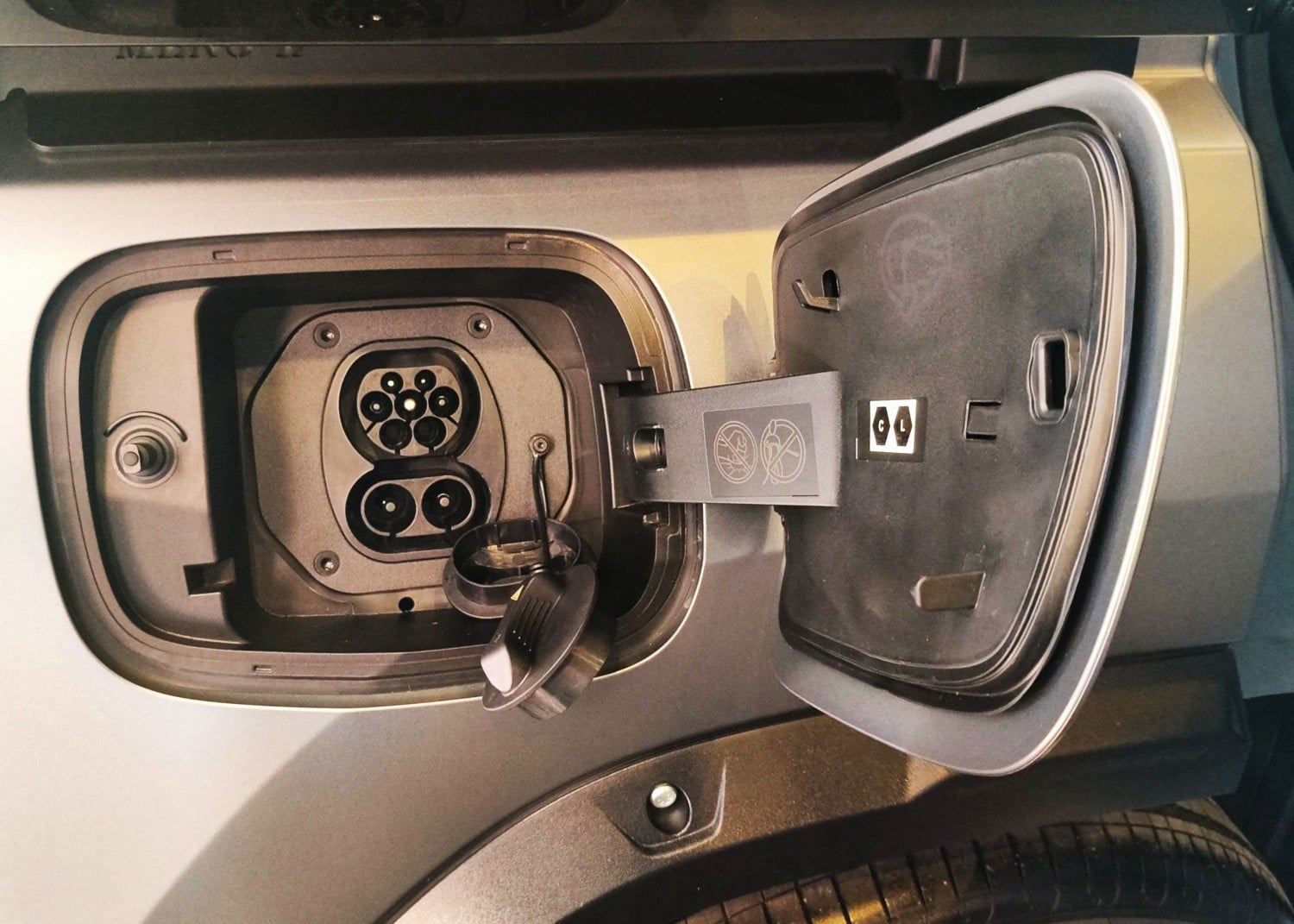
Completing the range, the plug-in hybrid starts off with the two-wheel drive that pairs the 1.5 T-GDI engine from the HEV with a 23.7-kWh battery pack powering the same 130kW/295Nm single motor.
Combined, the total system output comes to 240kW/540Nm, which GWM says translates to an electric-only range of 130 km.
As with the HEV, the plug-in hybrid uses a two-speed DHT and is only available in Super Luxury trim.
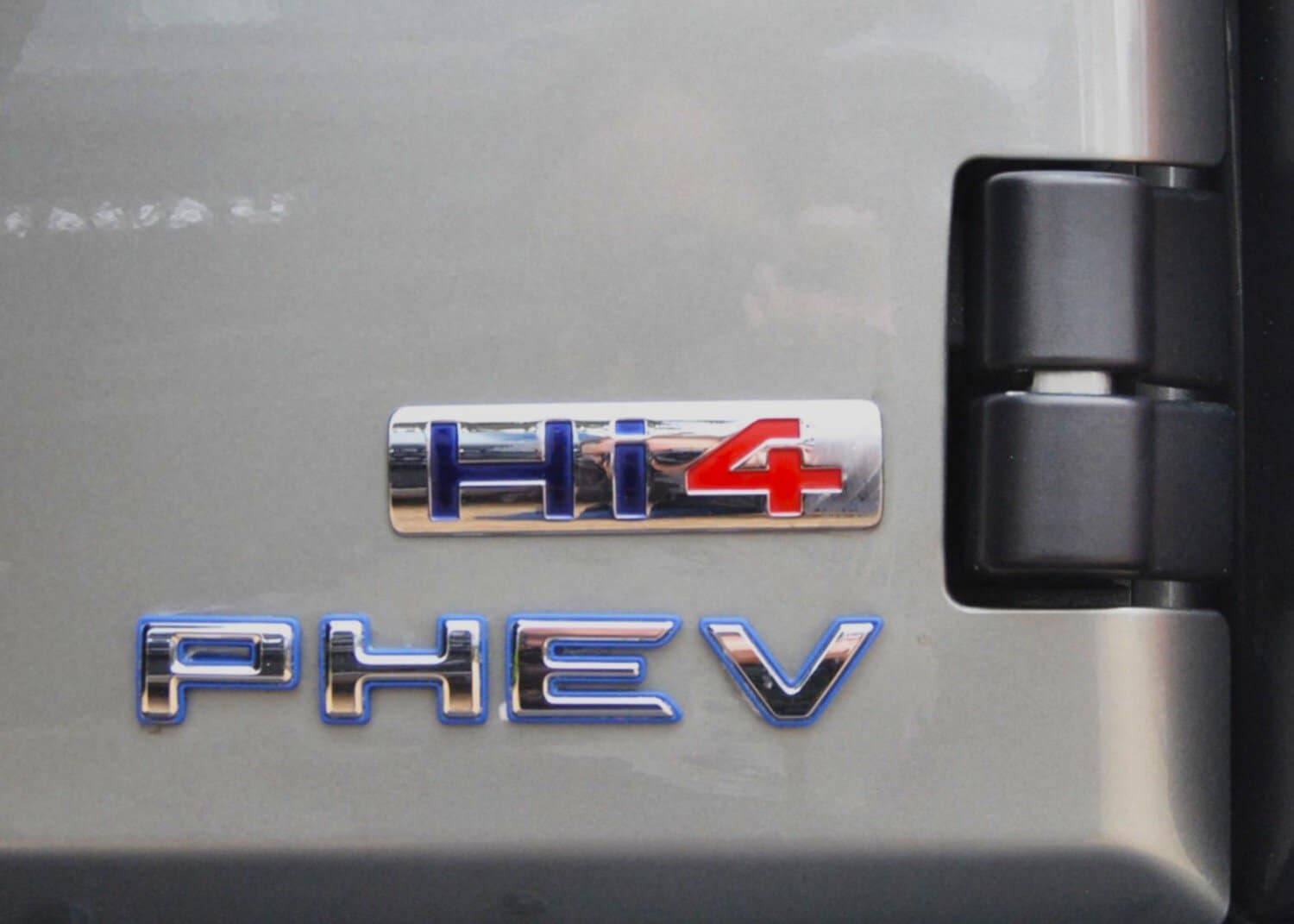
Completing the range, the dual-motor receives the Hi4 nomenclature with the same combustion engine and battery pack as its sibling.
As per its name, though, an 80kW/170Nm electric motor resides on the front axles to go with the 150kW/260Nm unit on the rear. The result is 280kW/670Nm, an all-electric range of 115 km and 0-100 km/h in 5.8 seconds.
Curiously, a self-charging four-wheel drive HEV also made its showing at the event. However, this was only for demonstrative purposes as plans to offer it ultimately fell through following dealer consultations and likely pricing conflicts,
Inside
Inside, the interior has undergone a comparatively minor “redesign” from of the Big Dog, the biggest differences being a slightly altered steering wheel, relocation of the physical buttons from directly below the infotainment display to underneath the central air vents, and new side air
Also new is the location of the gear lever on the steering column, which means the drive mode selector moves to the centre of the floating console surrounded by the wireless smartphone charging pad, a pair of cupholders and a few physical buttons.
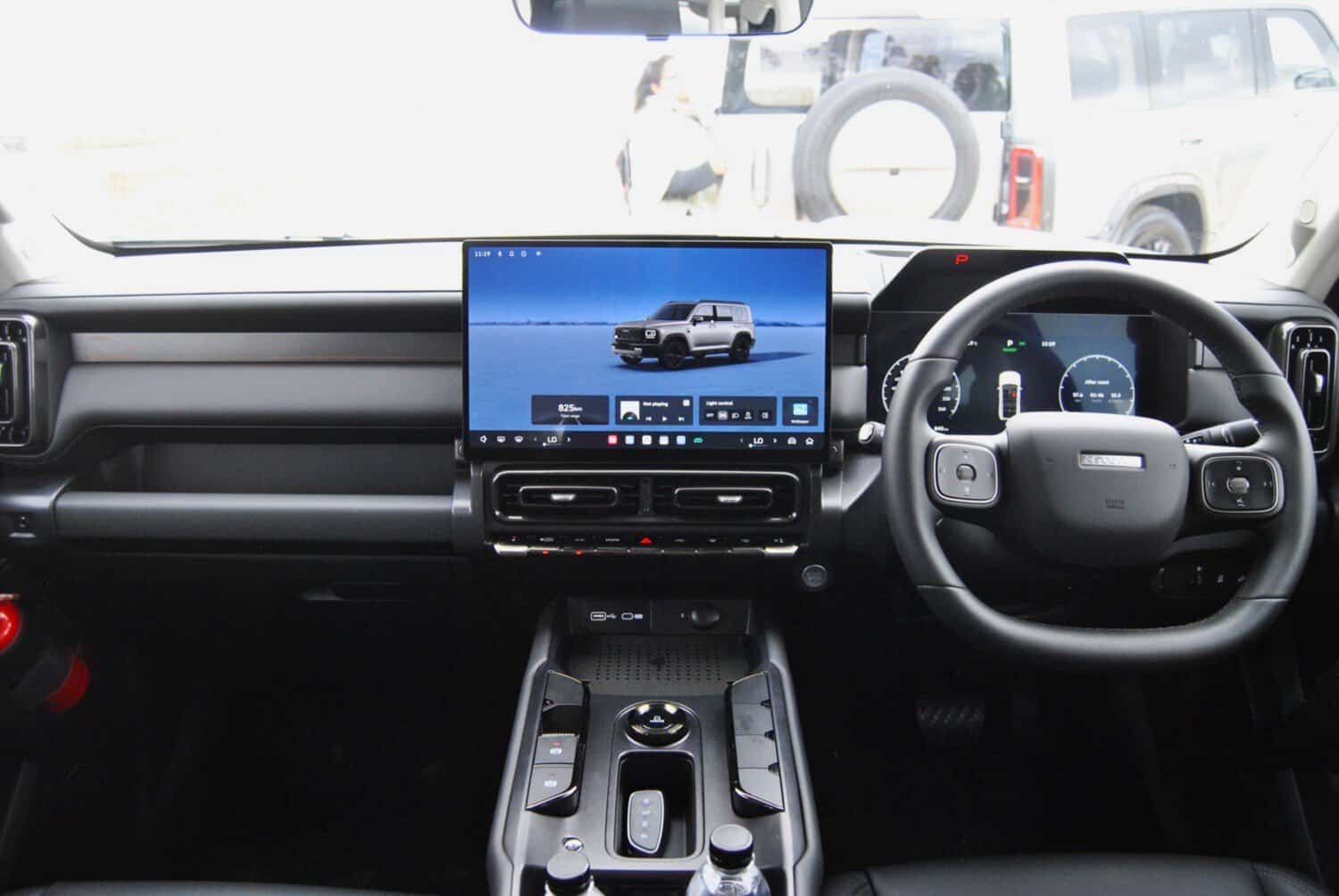
The biggest change, though, has been to the infotainment display itself, which not only gains GWM’s latest operating system, but grows in size from 14.6-inches to 15.6-inches.
Still offset by a 12.3-inch digital instrument cluster, the larger infotainment proved decidedly more complex than its predecessor.
What’s more, certain readouts within the instrument cluster, such as the fuel consumption and the tachometer, proved equally annoying to display.
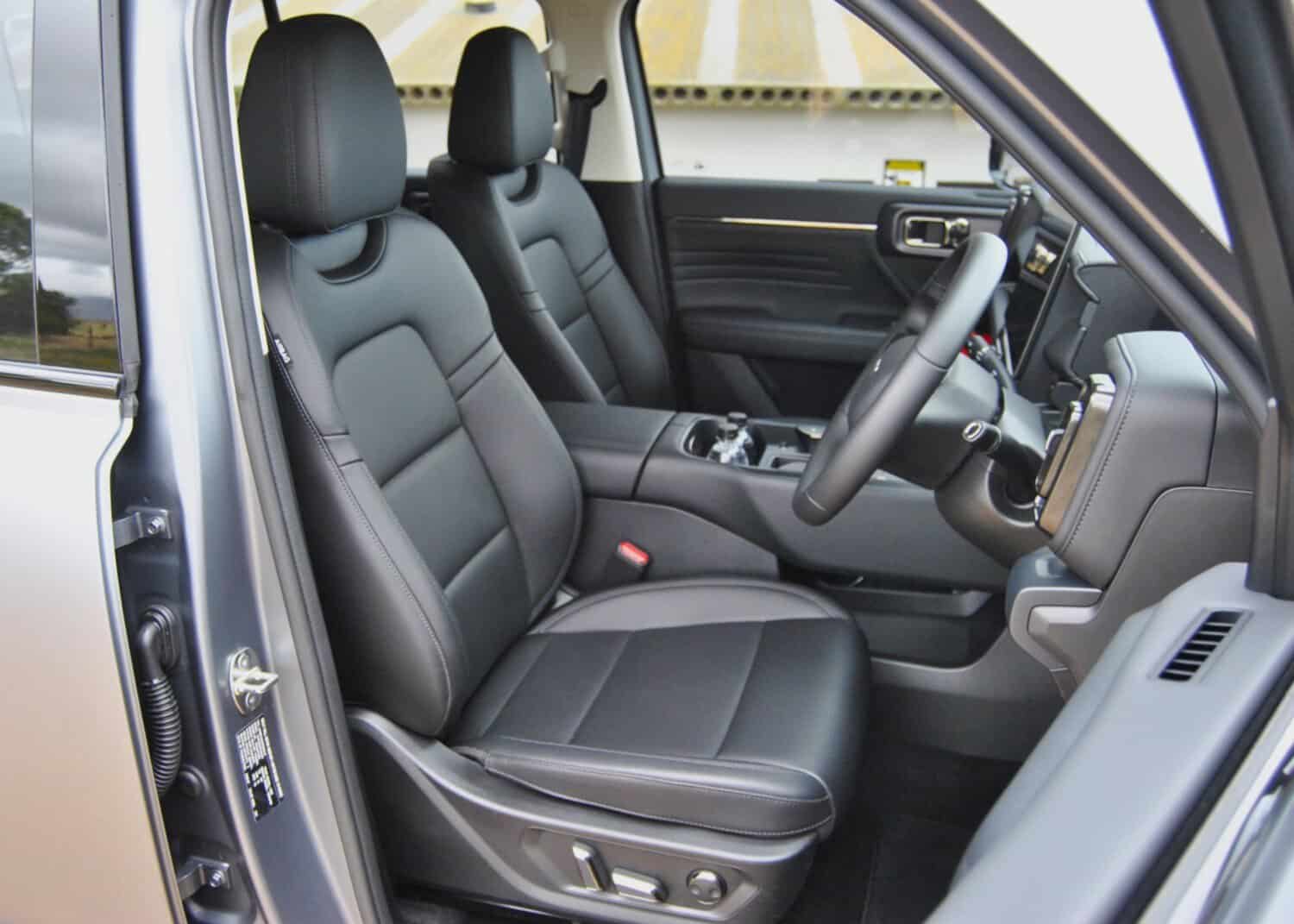
The opposite still applies to the cabin’s fit-and-finish with sturdy and largely premium materials, with all variants coming as standard with black imitation leather upholstery.
Unsurprisingly, the interior is spacious and seat comfort more than agreeable, though bizarrely, electric adjustment for the passenger’s seat is reserved solely for the Hi4.
This oddity aside, both trim grades leave little else to be desired on the specification front, with four-wheel drive models further equipped with an electronically locking rear diff lock and five off-road modes: Auto, Grass/Gravel, Rough Road, Mud and Sand.
On the move
Petrol
Out on the launch route, the first part of the journey from Somerset West involved the four-wheel drive Ultra Luxury powered by the 2.0 T-GDI.
An engine that impressed in the previous H7, the unit still feels willing and more than capable of hauling the H7 along without its kerb mass being felt.
While still lingering, the typical Chinese vehicle throttle calibration troubles aren’t as irksome, which prevents the H7 from feeling laggy low-down.
Switching from Standard to Sport mode sees the H7 come alive with not only improved throttle response, but a well executed power delivery matched much better to the dual-clutch gearbox than before.
HEV
Switching over to the HEV for the second section of the route comes with a different driving characteristic as the added weight of the electric hardware becomes apparent when setting off.
Comprising flowing corners around the Caledon area, the HEV’s nose felt prone to washing out, but only when pushed which, admittedly, comes as no surprise as drive is routed to the front wheels only.
What, however, impresses is its instant power delivery and the lack of a juddering transitional feel between the petrol engine and electrical system.
As with the normal petrol model, ride quality in the HEV didn’t disappoint, with the same being true of the steering that offers either a Comfort or Sport setting.
Hi4 PHEV
Heading to Cape Town along the picturesque coastal Clarence Drive in the Hi4 proved just as impressive, though with the added pitfall of yet more weight that shows itself when stomping on the accelerator.
That being said, acceleration is quick if not as rapid as the 5.8 second claim.
In both cases, the electrical system renders the throttle calibration mismatch obsolete, while the DHT ‘box a trifle smoother than the dual-clutch.
Consumption
As mentioned, fuel consumption remains the H7’s Achillies Heel, with figures of around 10-litres per 100 km being mentioned for the petrol and a less than impressive eight-litres per 100 km for the HEV.
Given that all of the models at the launch had less than 1 000 km on their odometers, expectations are that consumption will improve once the engines loosen up.
Conclusion
As much as the change from Big Dog to Raptor hadn’t been expected after just over two years, the switch dramatically counts in the Haval H7’s favour as it now feels better warranted and more keenly priced with a larger line-up than before.
A tactical move that could eat into the T2’s sales with all the right ingredients now in place, the H7 presents a well devised package now a lot harder to ignore.
Price
Included on all models is a seven-year/200 000 km warranty, a seven-year/75 000 km service plan and an eight-year/195 000 km battery warranty on the hybrid variants.
- H7 2.0 T-GDI Super Luxury DCT- R554 900
- H7 2.0 T-GDI Ultra Luxury DCT – R594 900
- H7 2.0 T-GDI Ultra Luxury AWD DCT – R654 900
- H7 HEV Super Luxury DHT – R624 900
- H7 PHEV Super Luxury DHT – R734 900
- H7 PHEV Hi4 Ultra Luxury DHT – R794 900