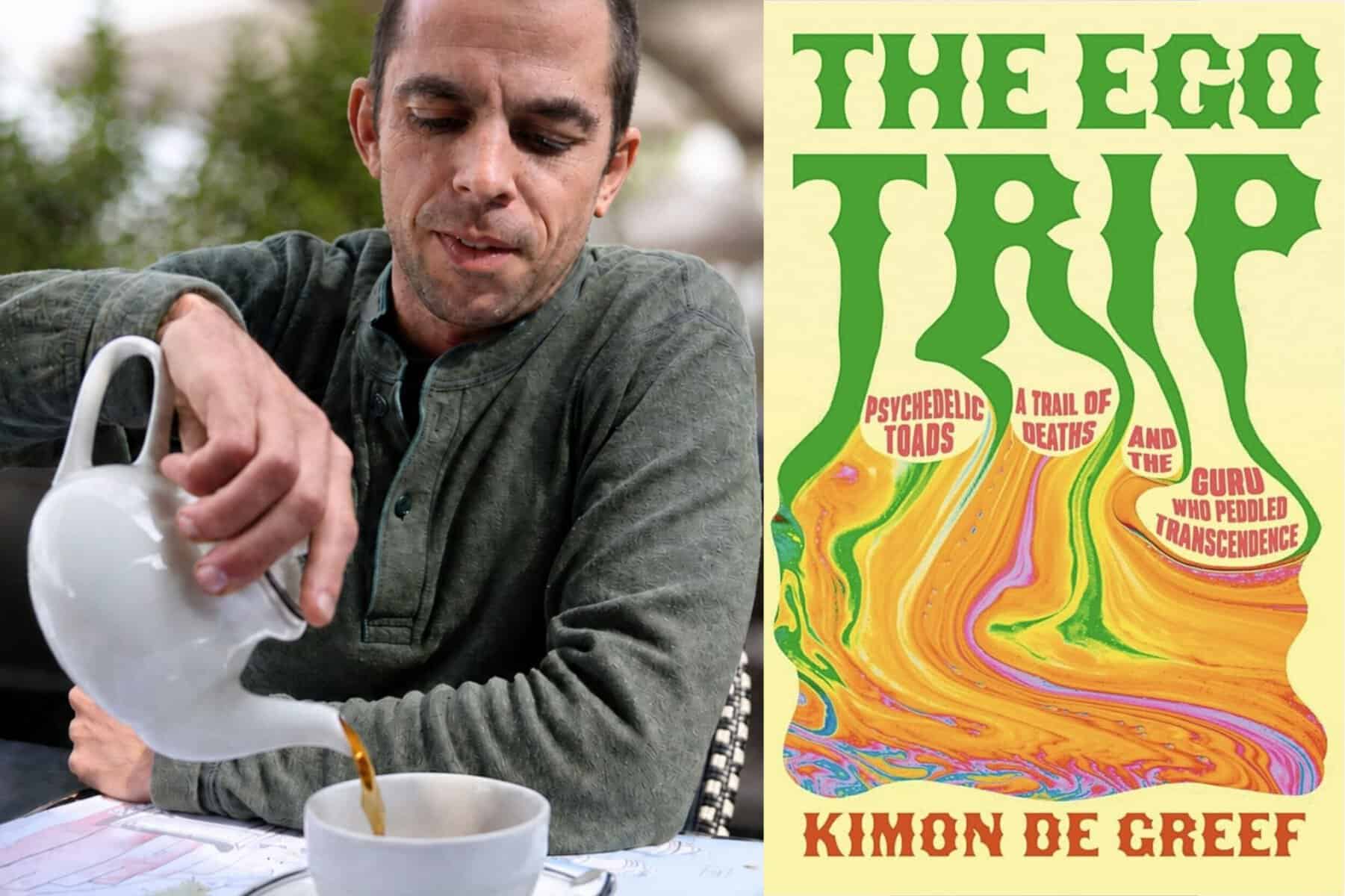
Kimon de Greeff's 'The Ego Trip' investigates psychedelic toad smoking, animal exploitation, and the cultish world built around its mysticism.
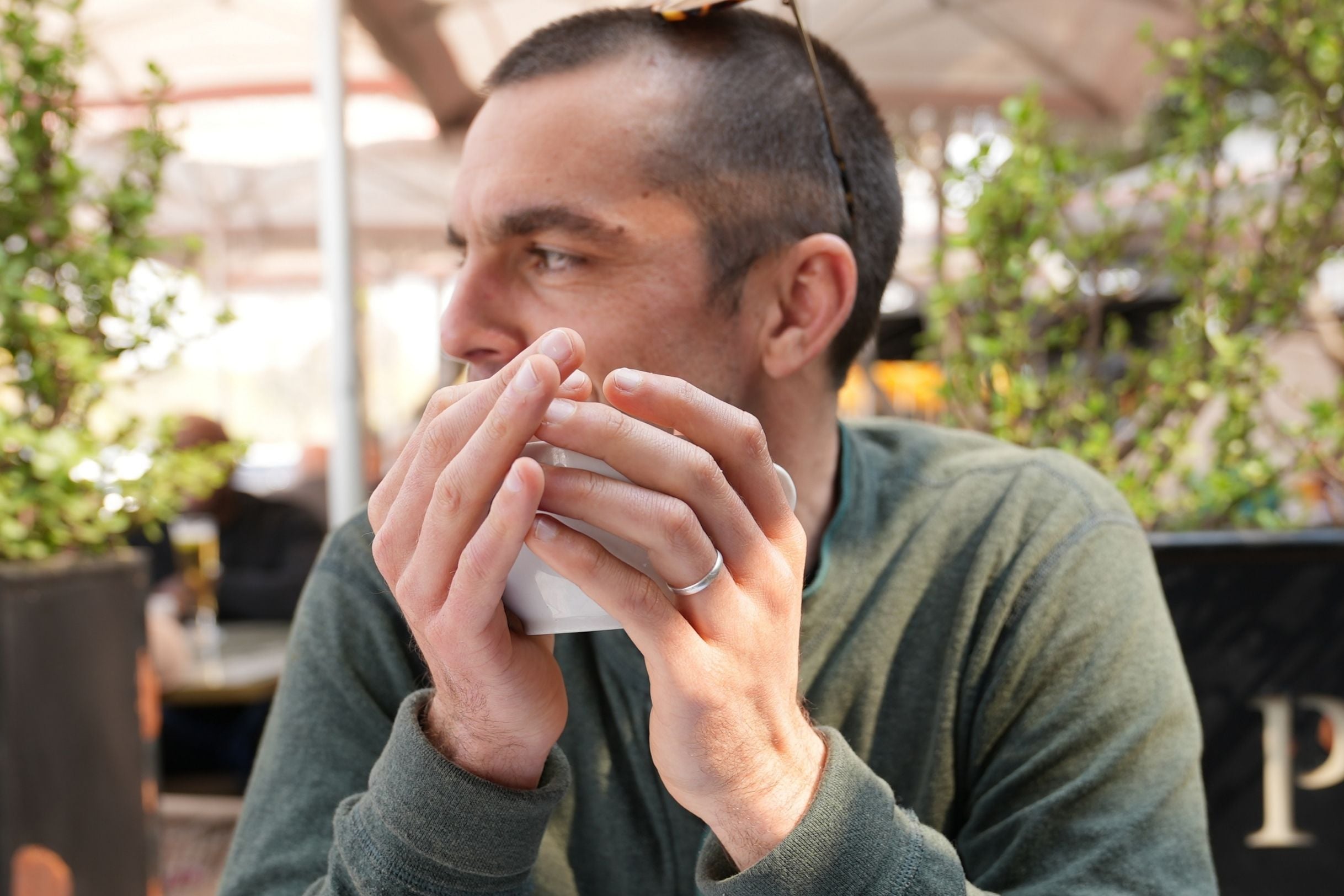
Author of The Ego Trip, Kimon De Greeff. Picture Hein Kaiser


So. This is not your everyday kind of topic, nor is The Ego Trip your everyday kind of book.
It’s left of centre and written so enjoyably that it’s like eating a much more munch cookie. Because who would have thought that real life could be filled with so much, well, muchness.
Plot twists, bizarreness and a cultish leader who reads as if he may have been plucked from the dark web’s richest imagineering.
A psychedelic drug harvested from desert toads in Mexico has spawned a global wellness subculture, an illicit supply chain, and a conservation problem where the search for spiritual healing may be harming the very natural world users say they feel connected to.
South African journalist and author Kimon de Greeff followed the strange trade for The Ego Trip.
The investigation began with his work on wildlife poaching and eventually took him into Mexico’s Sonoran Desert and the world of 5-MeO-DMT.
That’s the powerful psychedelic found naturally in secretions of the Sonoran Desert toad and smoked by users looking for everything from healing and meaning to what de Greeff painted as an ego-dissolving mystical experience.
People have been harvesting toad juice, for lack of a better term, for thousands of years. That’s the legend, but it seems it’s codswallop. The modern story can be traced to 1983, when Ken Nelson, writing as Albert Most, produced a pamphlet explaining how the secretion could be collected, dried and smoked.
It was not some kind of Aztec or Mayan ritual. People did not lick toads to get high.
Nobody goes around licking toads
Enter Dr Octavio Rettig, who de Greeff said helped take smoking toad, as they call it, from an obscure-ish psychedelic practice and grew a global following.
The author first wrote about the Mexican doctor in The New Yorker in 2022. Rettig had, essentially, started a psychedelic fringe movement or, dare one say, cult.
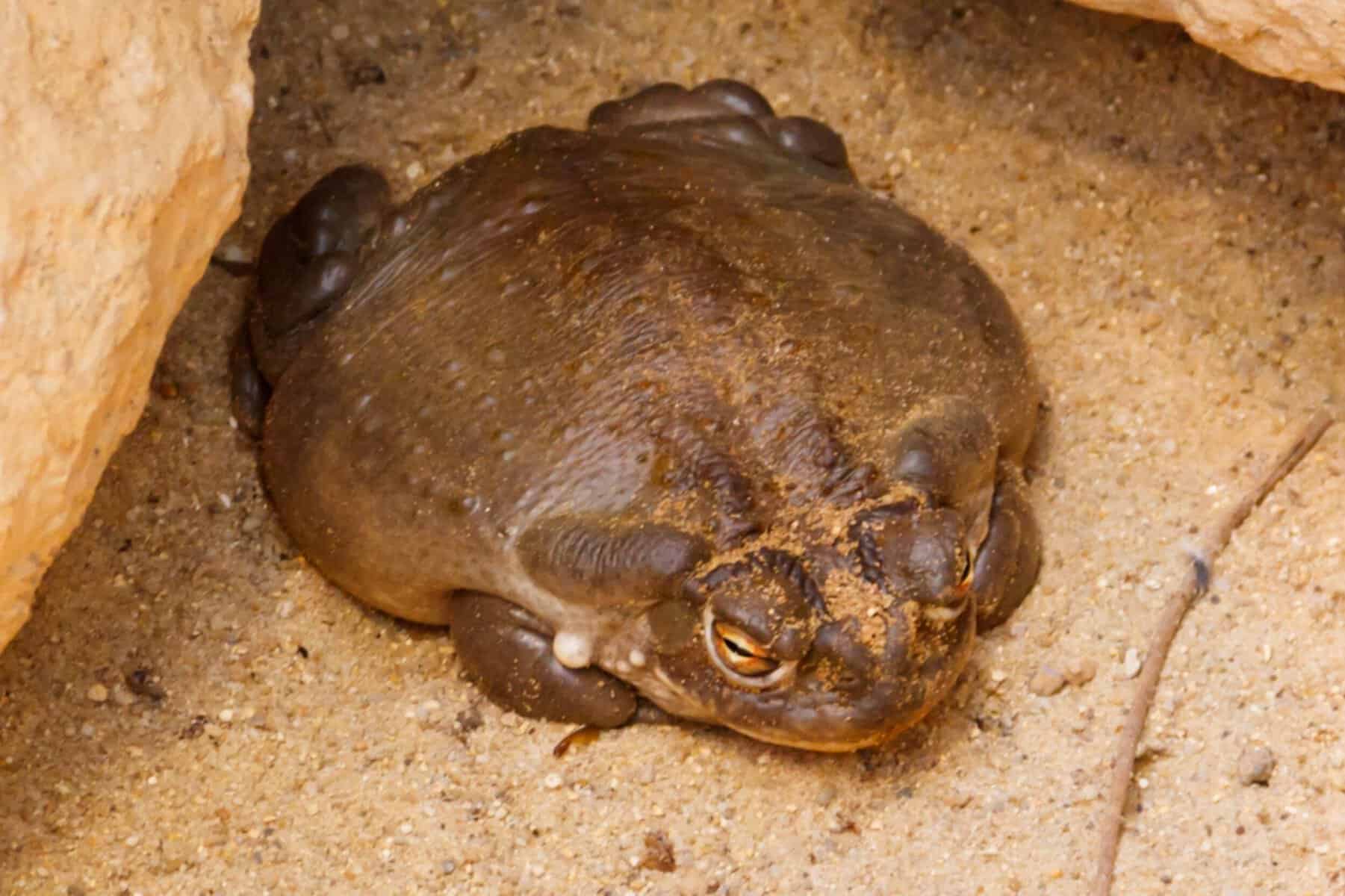
Ironically, the people seeking the purported enlightenment that smoking toad serves up are at the receiving end of a supply chain that starts with drug cartels, animal cruelty and a whole lot of baddies in between.
For his research, de Greeff went out with a posse of toad hunters.
It happens at night, when lights draw insects and the bugs, in turn, draw the toads out to feed. Collectors catch the big, leathery animals and throw them into bags.
“The toads look like a giant hamburger,” he said. The toads are then milked by squeezing the glands on their backs, necks, and limbs until a sticky white secretion squirts onto the glass. De Greeff tried it too.
“You had to squeeze really hard, and I felt really bad,” he said.
The goo dries for between 24 and 48 hours before being scraped into flakes, and an amount about the size of a matchstick head can be psychoactive when vaporised and inhaled.
The toads are released, but can be caught and milked over and over again by different collectors, sometimes until their glands bleed.
Crowding can spread disease while animals also die during collection.
“On the scale of the world’s problems, it’s pretty niche. But for the toads, it’s catastrophic,” de Greeff said.
For toads, it’s catastrophic
Rettig is a larger-than-life figure, and de Greeff said there was something intoxicating about administering an experience people believed had transformed them and then having those same people look at you almost like a god.
“There are certain people, not only in psychedelics, but spiritual leaders who buy into their own legend,” he said. “Sometimes that can become a little bit dark and twisted.”
He watched people take powerful doses with Rettig and, while extraordinarily vulnerable, listen as the doctor told them his version of reality. It made the similarities with other charismatic power structures clear.
“Same for a politician. It’s the same for a church leader. Same for a yoga instructor,” he said.
Power became dangerous when leaders stopped being honest about their flaws and could no longer recognise their own blind spots.
There’s even more irony in this wonderfully bonkers story because nobody needs to squeeze a toad at all. The compound can be made synthetically.
“You can get the molecule made in a lab. It’s cheap, and it’s the exact same molecule. It hits the exact same neuroreceptor,” de Greeff said. But the belief that nature provides probably overrides the value of synthetics.
The Ego Trip is exceptionally well written and, despite being non-fiction, reads like a narrative someone could have made up. That was exactly what de Greeff wanted.
“I want someone to just be absorbed in a stranger than fiction kind of true yarn,” he said.
“At a higher abstract level, it’s also kind of a book about the human search for meaning, and the ways that can go badly awry, even when people are acting with good intentions,” de Greeff said.