Current generation CX-30 will be 11-years old by the time it finishes production in 2030.

The current seven year old first generation Mazda CX-30 is set to remain in production until at least 2030. Picture: Mazda


Still in its first generation, the CX-30 has been the subject of a newly uncovered report from Japan alleging that Mazda won’t introduce a follow-up until after the end of the decade.
Lifecycle expansion
Lightly updated since its global unveiling seven years ago, the current internally named ND CX-30 has emerged as Hiroshima’s second best-selling vehicle after the CX-5, with reported worldwide sales last year of 208 869 units.
Positioned between the CX-3 and CX-5, the redesign will seemingly come after the former, which itself has been around in single generation guise since 2014.
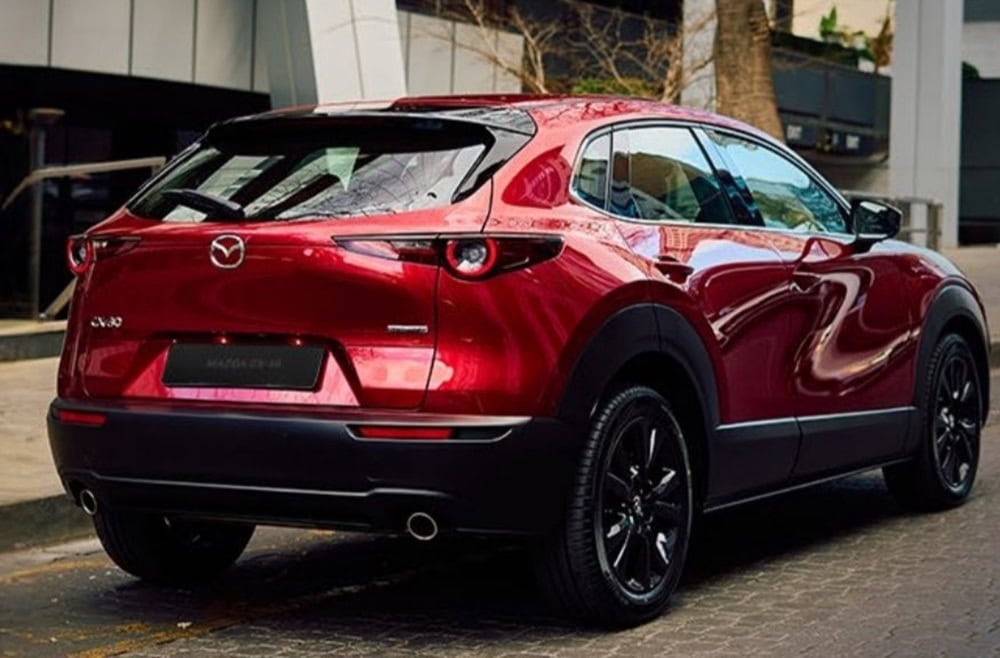
According to a report by the Chugoku Shimbun newspaper, Mazda CEO Masahiro Moro hinted that the second generation CX-30 will arrive only in the 2030 fiscal year, suggesting sales will start in 2031.
As such, the ND will be 11-years old, and the Mazda product in Mazda’s portfolio, the CX-3, is soon to be replaced by a new generation following the discovery of a teaser image earlier this month.
At the same time, a successor to the dated 12-year old third generation Mazda2 is also said to be in development, though no further details are known.
Blame tariffs and cost-cutting
Reportedly, widescale cost-cutting has been cited as the reason for the next generation CX-30’s delay, with Moro declining to provide any further details.
“Mazda is facing global headwinds including economic instability in key markets, rising raw material costs, and a sharp increase in US import tariffs,” Moro said in a translated extract from the article.
What to expect?
Once in production, the CX-30 will most likely draw visual hints from the new CX-5, but retain the current front-wheel drive layout, with select markets set to offer four-wheel drive as an option.
Engine options could include the new SkyActiv-X engine, as well as the conventional SkyActiv-G in both normally aspirated and turbocharged forms.
Less clear is the future of the 1.8 SkyActiv-D turbodiesel engine, which produces 85kW/200Nm and has been marketed solely in Japan.
In South Africa
Locally, the CX-30 has been revised three times since going on sale four years ago, the first being a specification upgrade in 2022, which also involved the debut of the Carbon variant.
Most recently, Mazda introduced more standard equipment in 2024, the biggest being a new 10.25-inch MZD Connect infotainment system replacing the original 8.8-inch.

The final update at the end of last year saw all models finally receive a touchscreen for the MZD Connect display, though with the retention of the rotary dial in the centre console.
At present, the CX-30 range spans four variants: Active, Dynamic, Carbon and Individual, all making use of the normally aspirated 2.0-litre SkyActiv-G petrol engine rated at 121kW/213Nm.
Sending the engine’s amount of twist to the front wheels falls to a six-speed automatic gearbox.
Price
As before its refresh last year, all CX-30s are covered by a five-year/unlimited km warranty and service plan, with pricing as follows:
- CX-30 2.0 Active Edition AT – R539 800
- CX-30 2.0 Dynamic Edition AT – R588 100
- CX-30 2.0 Carbon Edition AT – R606 800
- CX-30 2.0 Individual Edition AT – R651 500